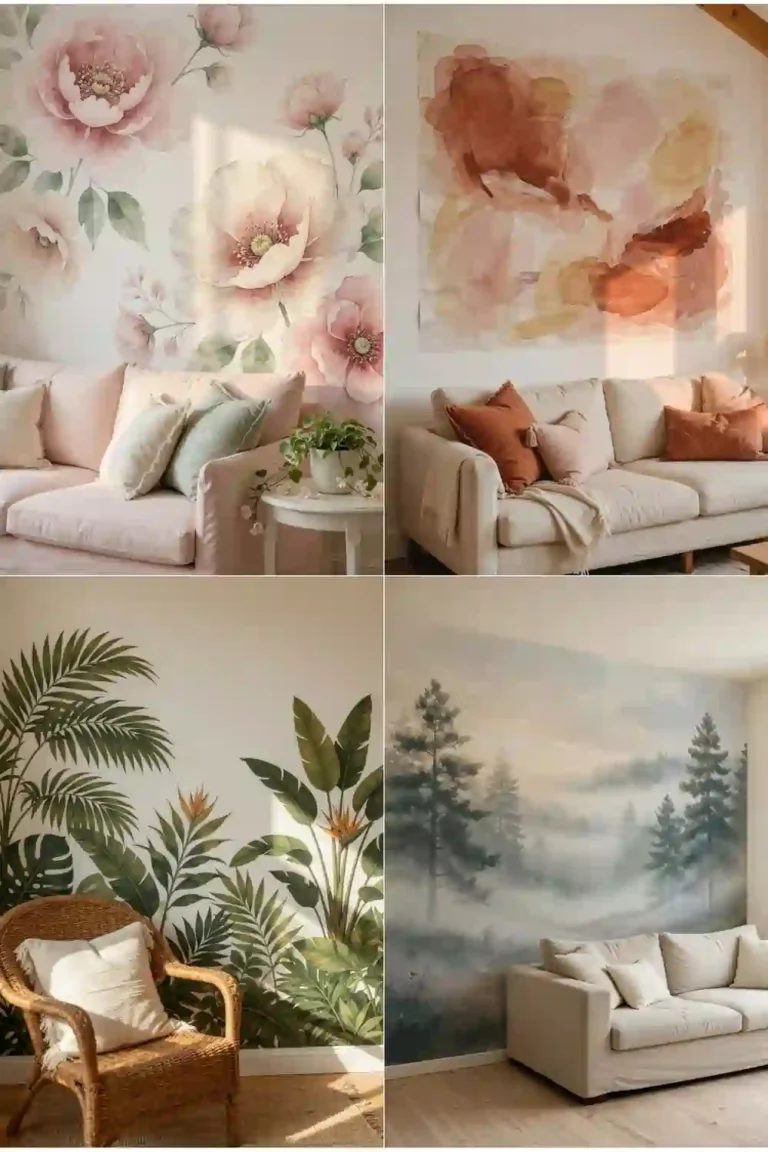
14 Rustic Farmhouse Living Room Mistakes That Ruin the Charm
You finally found your aesthetic — shiplap walls, linen throws, weathered wood — and yet something still feels… off. Sound familiar? Creating a rustic farmhouse living room that looks pulled-together and intentional is harder than Pinterest makes it seem. One wrong choice can make a cozy dream feel cluttered, cold, or just plain outdated.
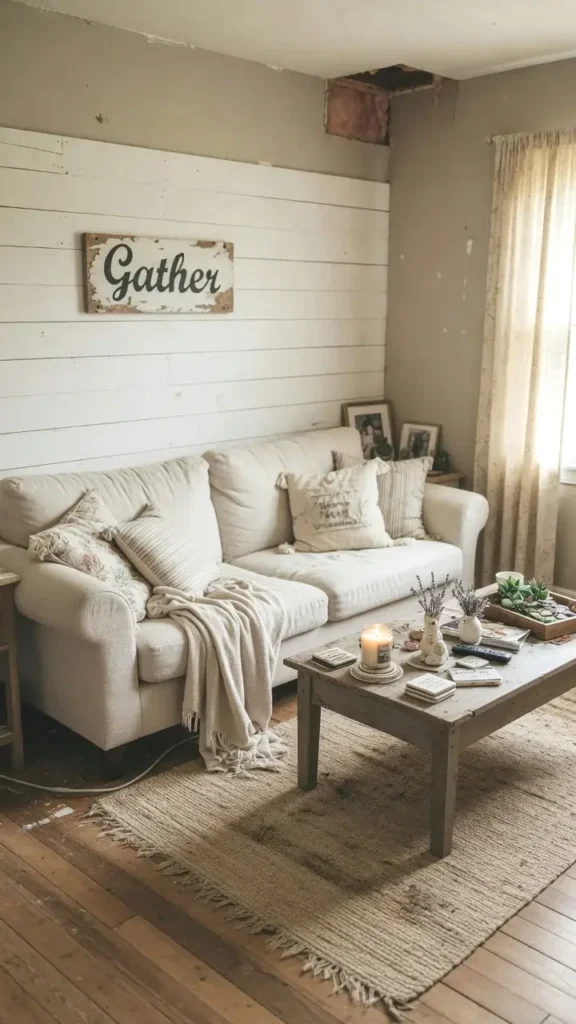
The good news? Most of these mistakes are surprisingly easy to fix once you know what to look for. In this guide, we’re walking through 14 of the most common farmhouse living room missteps — and exactly how to avoid them — so your space finally feels like the warm, effortless retreat you’ve been dreaming about.
1. Skipping the Cozy Layered Rug Look
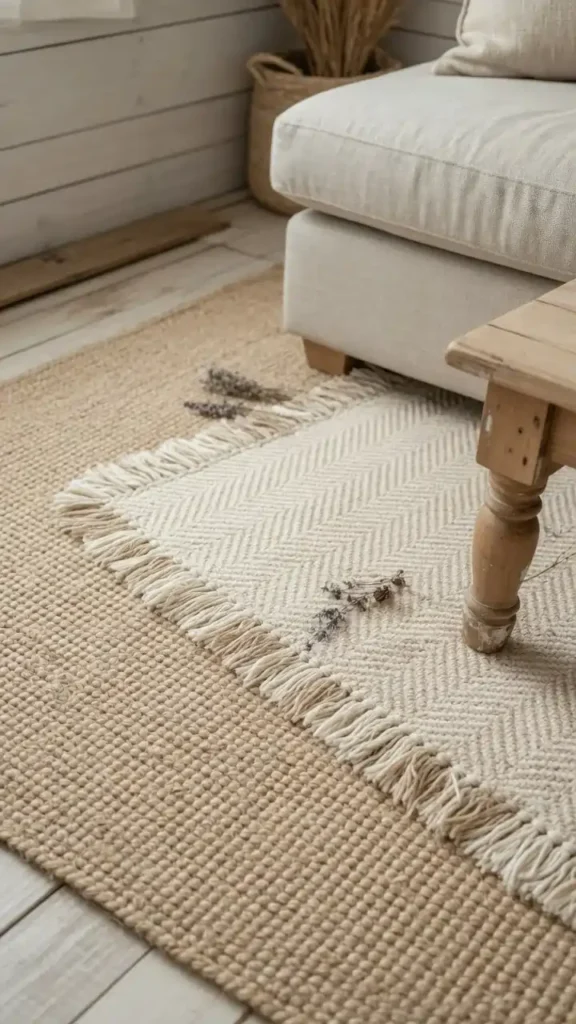
One of the biggest missed opportunities in a rustic farmhouse living room is ignoring the power of layered rugs. A single flat rug on a hardwood floor can leave a room feeling sparse and unfinished — but layering a jute rug beneath a softer woven piece instantly adds depth, warmth, and that lived-in charm farmhouse style is known for. Think neutral tones: cream, oatmeal, soft grey. The textures do the heavy lifting here. Place the larger jute layer first, then add a smaller patterned or fringe rug on top for a collected, effortless look that anchors your seating area beautifully.
2. Choosing the Wrong Farmhouse Couch Style
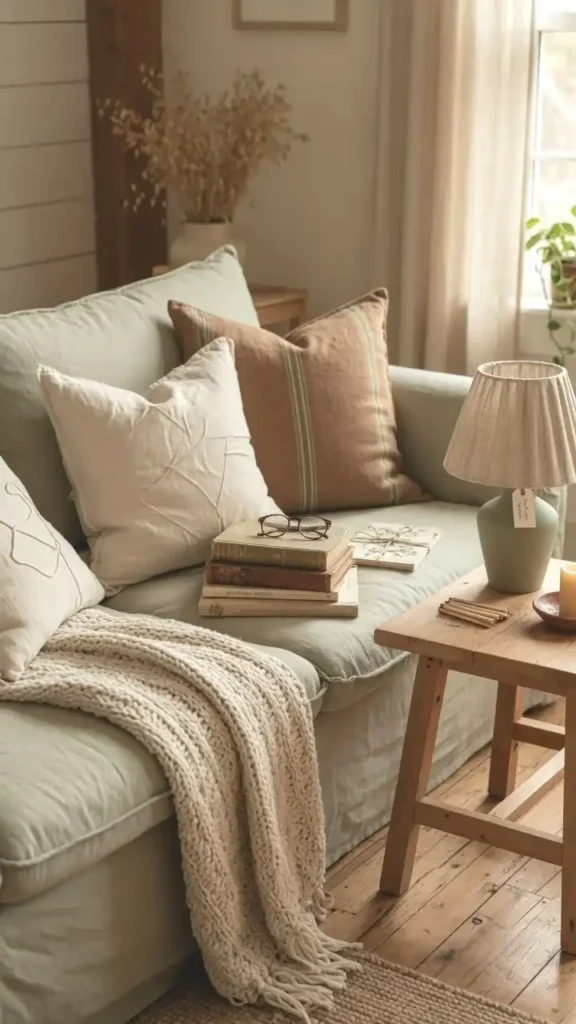
Your sofa is the anchor of the room, and choosing the wrong farmhouse couch can throw off the entire aesthetic. Sleek, tufted, or overly formal sofas clash with the relaxed spirit of farmhouse design. Instead, look for sofas with slipcover-style upholstery in natural linen or cotton, low-slung silhouettes, or rolled arms with casual tailoring. Neutral shades like warm white, soft sage, or earthy beige keep the look timeless. If you already have a sofa that doesn’t quite fit, a well-fitted linen slipcover is your best friend — it’s an affordable fix that transforms the entire room.
3. Overlooking Farmhouse Living Room Curtains
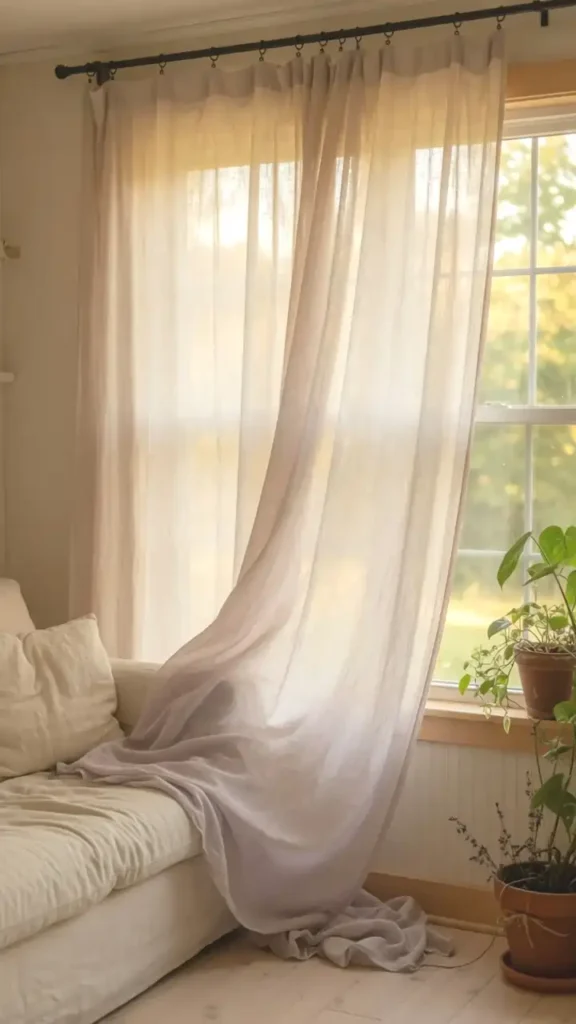
Curtains are one of those details people rush through — and it shows. The right farmhouse living room curtains should feel soft, breezy, and effortless. Heavy, structured drapes or bold patterns immediately break the serene farmhouse mood. Instead, reach for light linen panels, simple cotton sheers, or subtle stripe patterns in warm neutrals. Hang them high — right at the ceiling line — and let them puddle slightly on the floor for that romantic, airy look you see all over Pinterest. Grommets or simple rod-pocket headers keep the hardware understated, which is exactly the point.
4. Ignoring Farmhouse Living Room Lighting Altogether
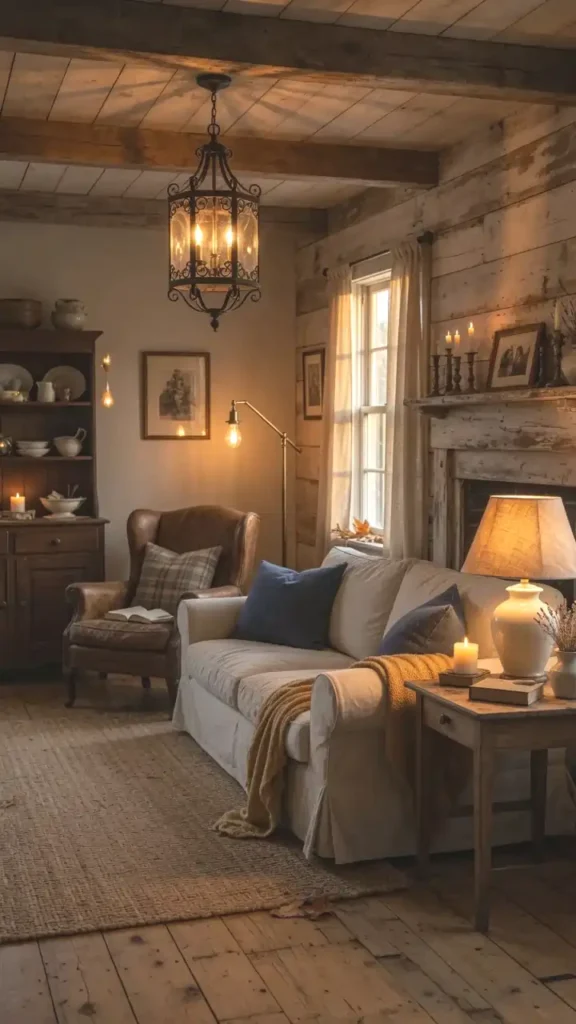
Lighting in a farmhouse living room is never an afterthought — it’s the mood. Many people default to one harsh overhead light, which kills the warm, golden atmosphere farmhouse interiors are known for. Layer your lighting instead: a statement lantern-style pendant or a wrought-iron chandelier overhead, paired with soft table lamps on side tables and maybe a floor lamp tucked into a reading corner. Edison bulbs are your secret weapon — their warm amber glow makes every surface look more beautiful and inviting. Good lighting doesn’t just illuminate a room; it makes the whole space feel like a hug.
5. Getting Farmhouse Living Room Furniture Placement Wrong
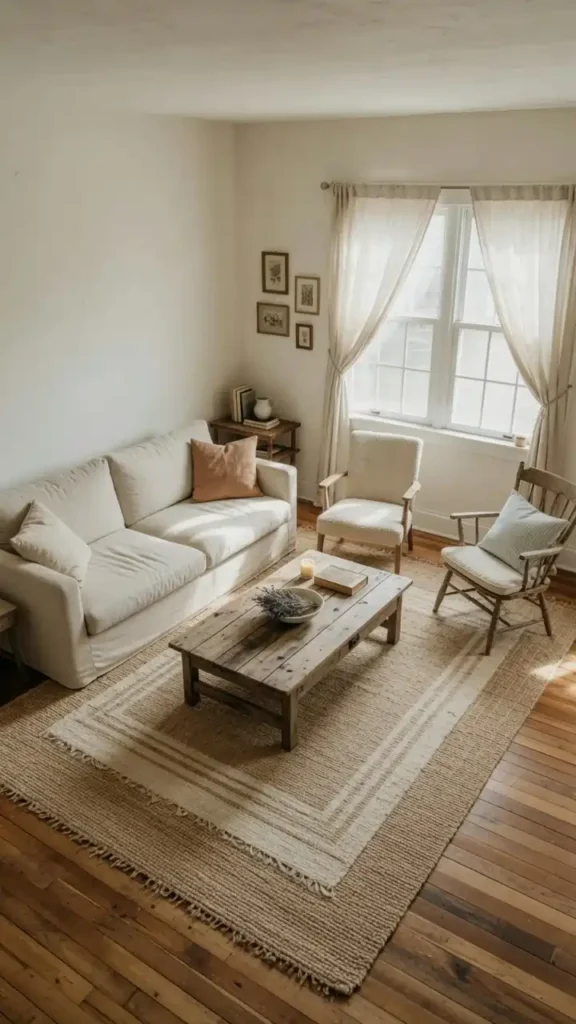
Even the most beautiful pieces can fall flat with poor farmhouse living room furniture placement. The most common mistake is pushing all the furniture against the walls, which makes a room feel like a waiting room — not a cozy retreat. Instead, float your seating inward to create an intimate conversation area. Anchor the arrangement with a coffee table (think weathered wood or an old trunk) and layer in accent chairs at angles. If you’re working with limited square footage, check out these small living room ideas for clever layout tricks that actually work.
6. Overloading the Space with Farmhouse Decor Accents
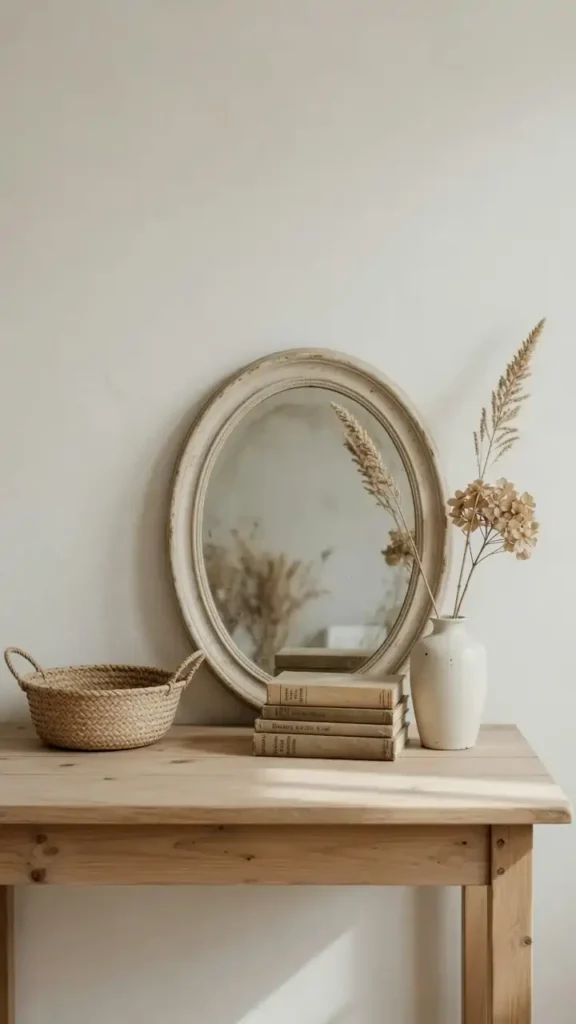
There’s a fine line between curated charm and visual chaos, and farmhouse decor can push you over the edge fast. Shiplap signs, galvanized buckets, mason jars, and wire baskets all have their place — but not all in the same room at the same time. Pick a story for your space and edit ruthlessly. A few well-chosen pieces — a vintage mirror, a woven basket, a stack of aged books — will always feel more intentional and elegant than a room stuffed with every trend. Negative space is your friend in farmhouse design. Let your eye rest somewhere.
7. Misusing Shiplap or Farmhouse Walls Without Balance
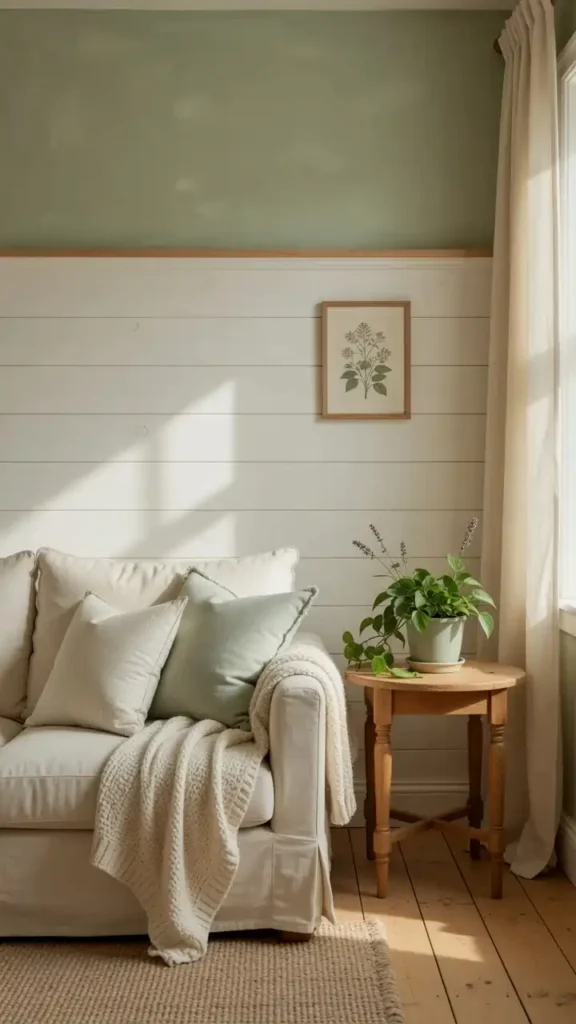
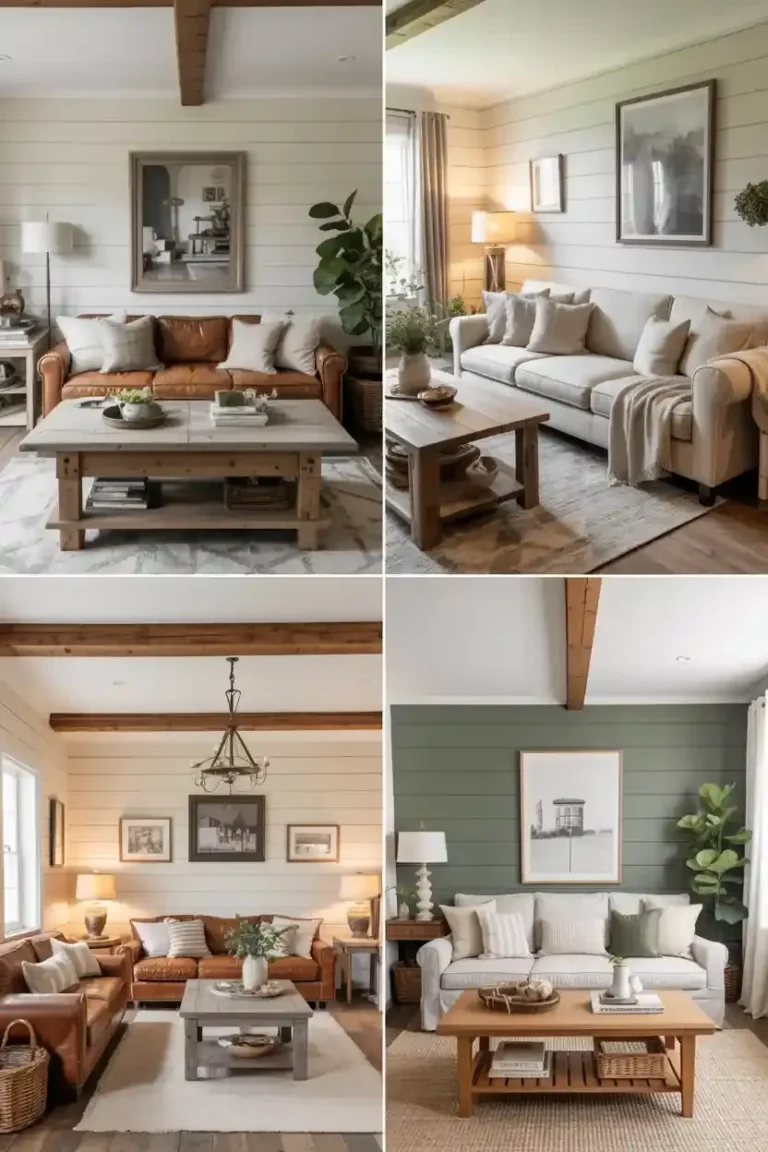
Farmhouse walls — whether actual shiplap, beadboard, or even a textured limewash paint finish — are a stunning design choice, but only when balanced correctly. Covering every single wall in shiplap can make a room feel like a barn rather than a beautiful home. Instead, feature one accent wall, or carry the shiplap up to chair-rail height and pair it with soft, warm paint above. Balance the texture with softer elements: plush pillows, linen drapes, and plenty of plants. Contrast is what makes the rustic elements feel intentional rather than overwhelming.
8. Forgetting the Beauty of a Farmhouse Fireplace
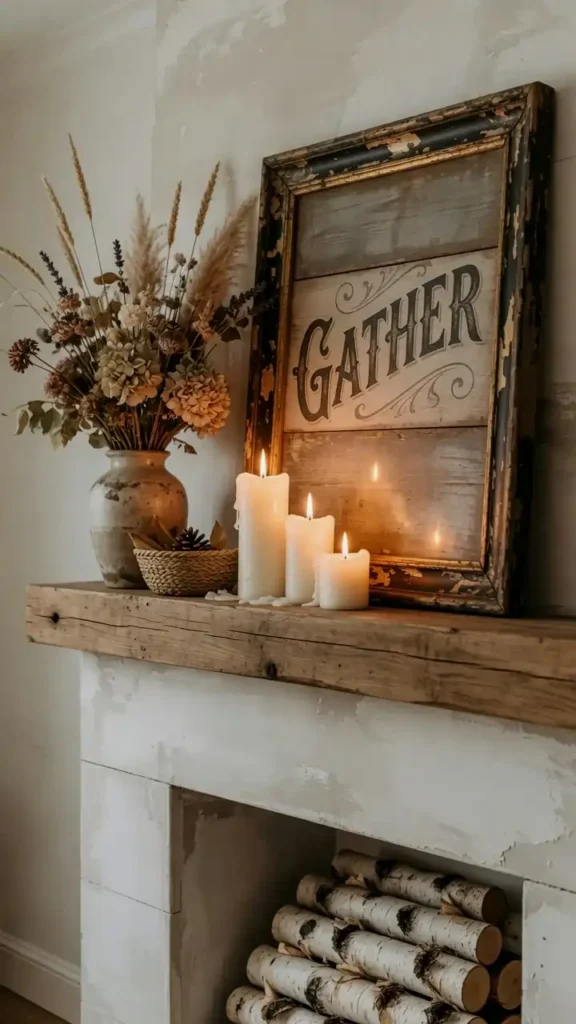
A farmhouse fireplace is arguably the heart of the entire aesthetic — and it’s shocking how often it gets neglected. If you’re lucky enough to have one, don’t let it collect dust. Style the mantel with intention: think a simple wooden beam surround, a large vintage mirror or sign overhead, and a few natural elements like dried botanicals, chunky candles, or a stone vase. Even if your fireplace is non-functional, styling it with a bundle of birch logs or a stack of lanterns instantly brings warmth to the space. It becomes the visual anchor every farmhouse living room needs.
9. Choosing Paint Colors That Feel Too Cold or Too Plain
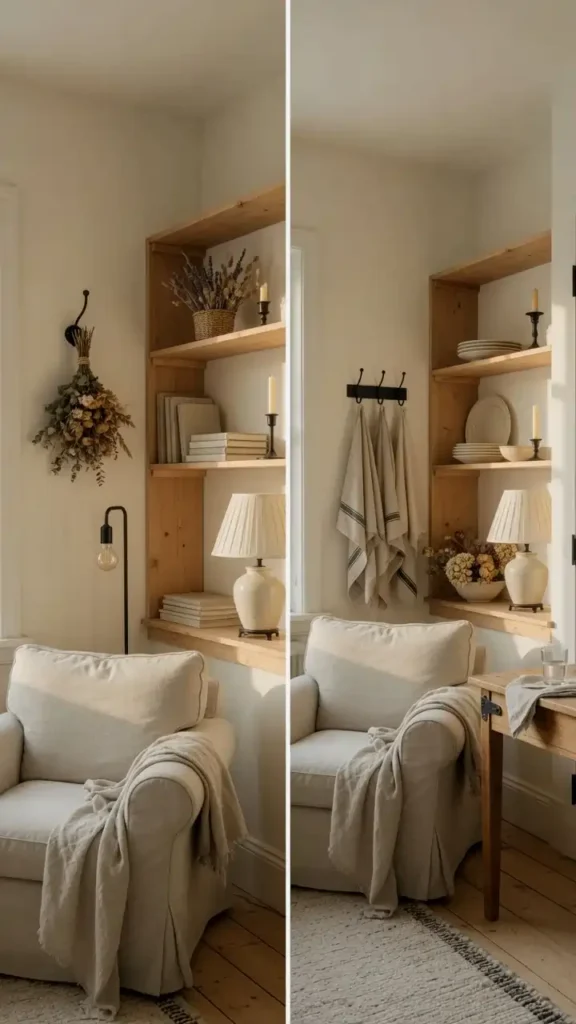
Paint color can make or break a farmhouse living room design, and choosing the wrong white — or defaulting to a stark, cool grey — is a mistake that drains all the warmth right out of the space. True farmhouse interiors favor warm whites, soft creamy tones, gentle sage greens, and dusty blues. Think of shades like Benjamin Moore’s White Dove or Sherwin-Williams Accessible Beige. These hues work beautifully with natural wood, linen textiles, and black iron accents. If you’re unsure, sample at least three colors on your wall and observe them in morning and evening light before committing.
10. Neglecting Farmhouse Living Room Storage Ideas
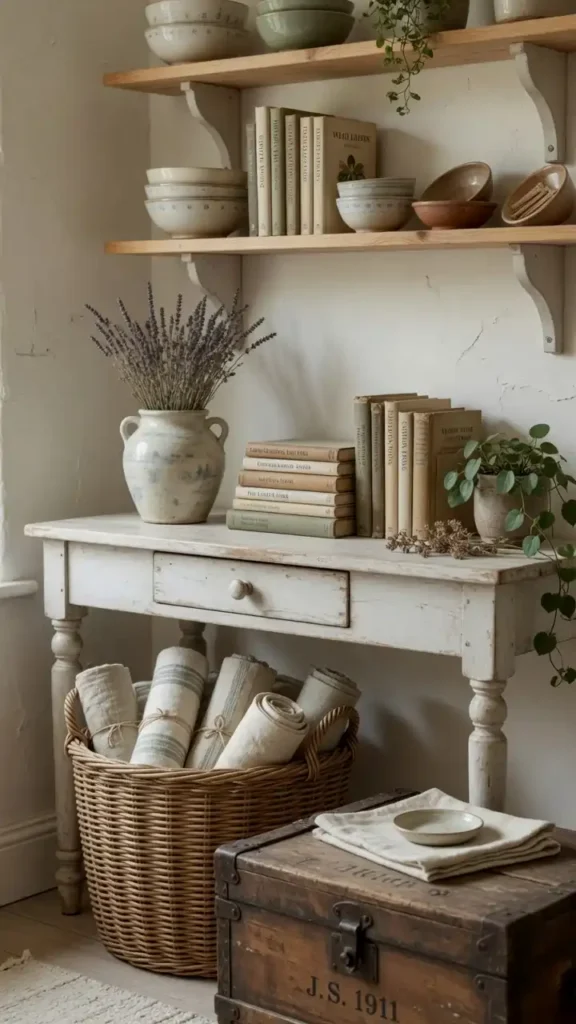
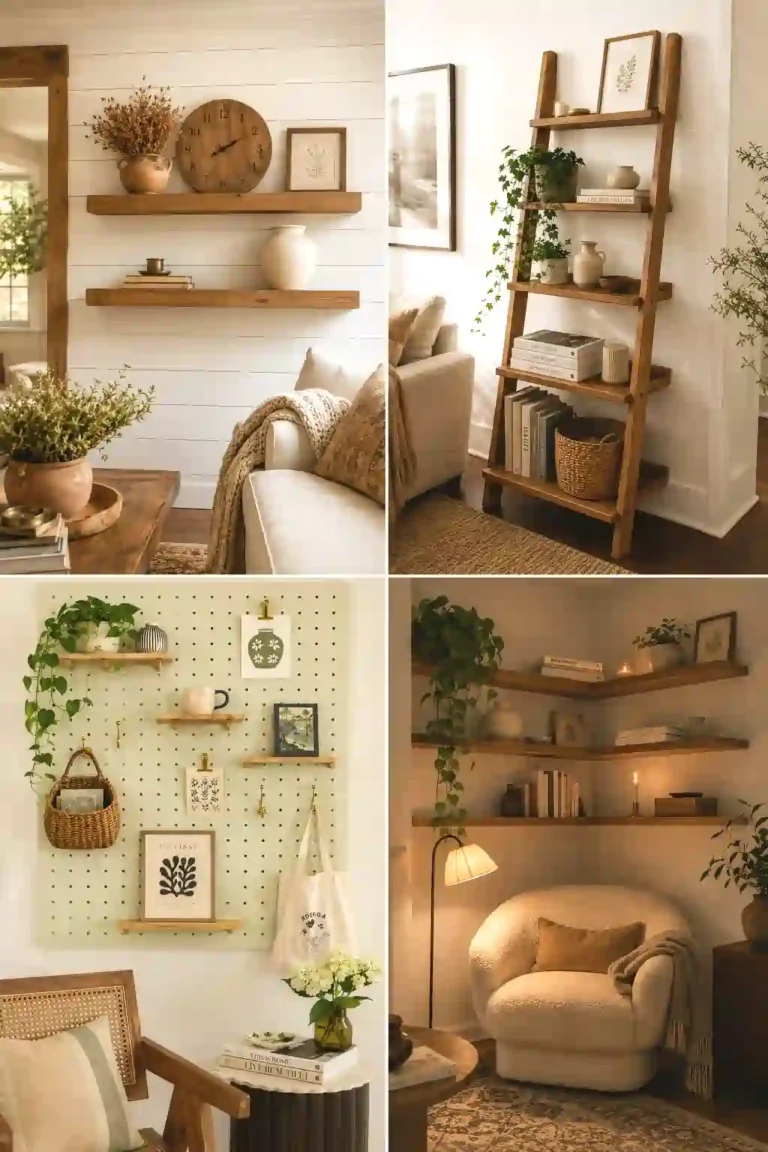
Clutter is the enemy of charm, and smart farmhouse living room storage ideas are what separate a styled space from a messy one. Beautiful storage doesn’t have to be boring — think wicker baskets tucked beneath a console table, a vintage-style apothecary cabinet against a wall, open shelving styled with books and ceramic vessels, or a large wooden trunk doubling as a coffee table with hidden storage inside. The goal is to keep things tidy without feeling sterile. Every storage solution in a farmhouse home should feel like it was there forever — worn in, warm, and perfectly imperfect.
11. Skipping Greenery and Natural Farmhouse Living Room Plants
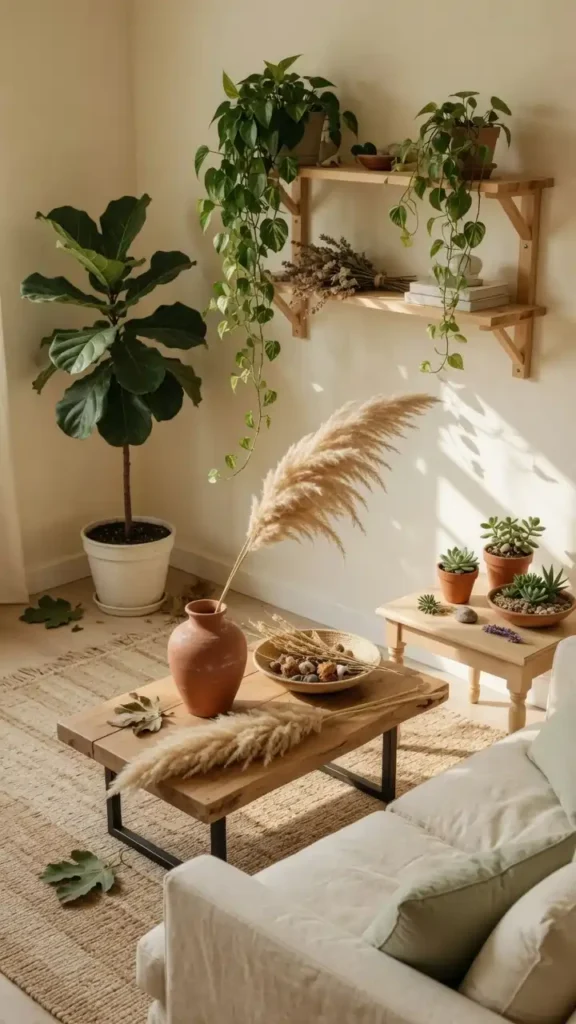
Farmhouse living room plants are the secret ingredient most people underestimate. A room full of wood, linen, and neutral tones can start to feel flat without some organic life woven through it. You don’t need a jungle — just a few well-placed pieces: a tall fiddle leaf fig in the corner, some trailing pothos on a shelf, dried pampas grass in a ceramic vase, or a cluster of small succulents on the coffee table. Even dried botanicals add texture and visual warmth. Plants breathe life into a space in a way no piece of furniture ever can, and they’re endlessly Pinterest-worthy.
12. Squeezing Farmhouse Style Into a Narrow Room Incorrectly
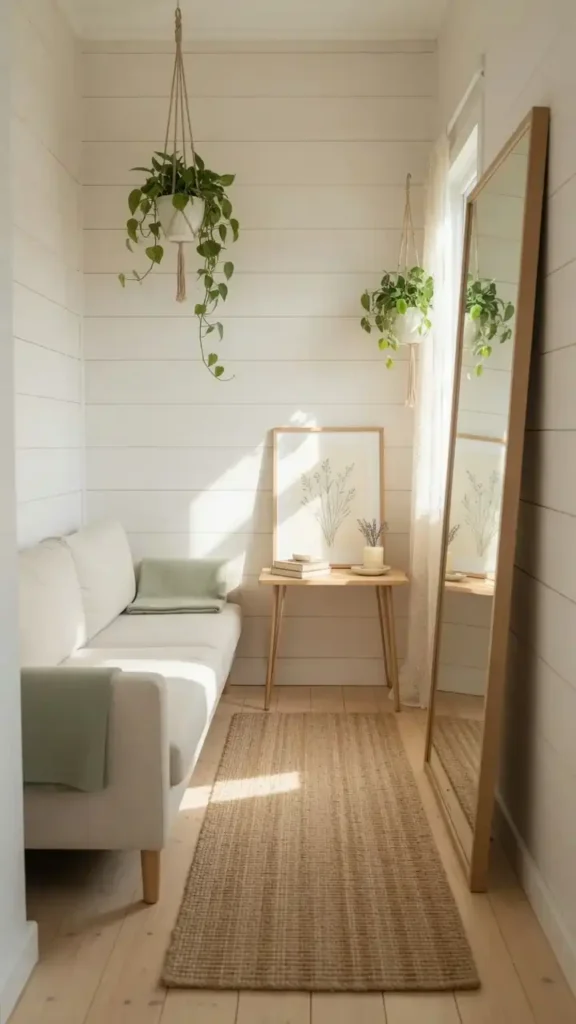
Applying farmhouse style to a long, awkward space requires a slightly different approach. When your layout is tight, heavy furniture and chunky decor work against you. Instead, lean into light-colored walls, mirrors to bounce natural light, and multifunctional furniture with clean lines that still carry that rustic warmth. For detailed layout guidance, this guide on narrow living room styling covers smart tricks to make the most of every inch. The farmhouse look works beautifully in small and narrow spaces — you just have to be more intentional with scale and proportion.
13. Forgetting About Texture in Farmhouse Interior Design
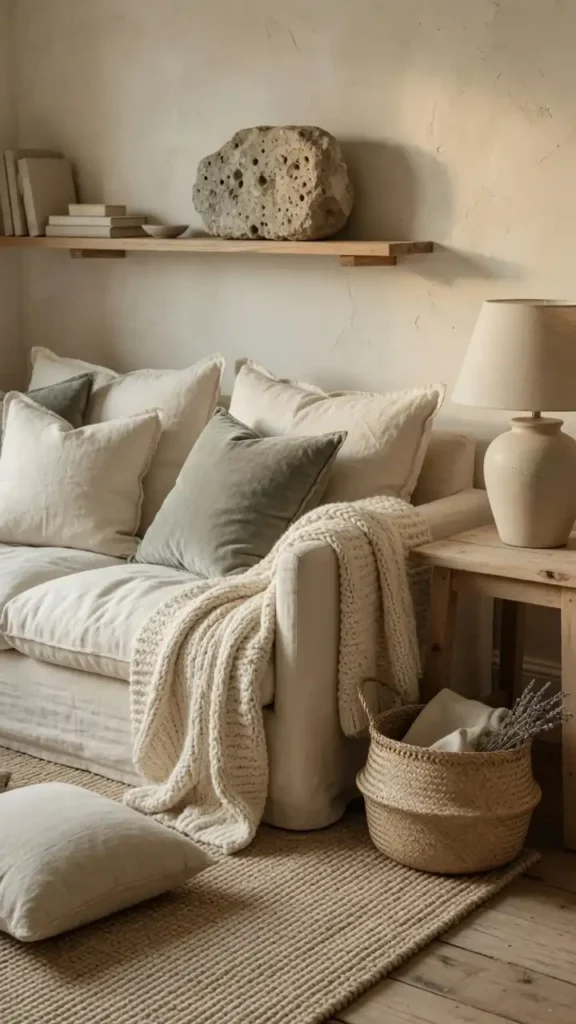
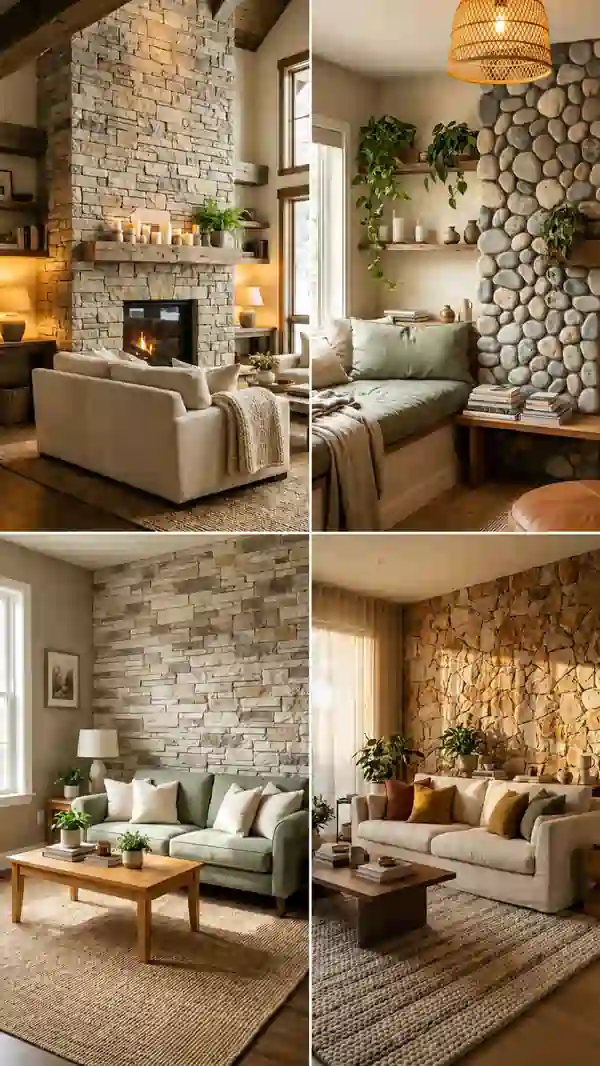
Farmhouse interior design lives and breathes through texture — and rooms that ignore this feel flat, forgettable, and oddly sterile. Wood grain, woven baskets, chunky knit throws, linen upholstery, stone accents, aged metals — these are the building blocks of a space that feels genuinely rich and layered. Don’t stick to just one material. Mix rough with smooth: a sleek ceramic lamp on a raw wood side table, a velvet pillow against a linen sofa. Texture is what makes a neutral palette feel anything but boring. It’s also what photographs beautifully — which is exactly why textured farmhouse rooms dominate Pinterest feeds.
14. Missing the Warmth of a Complete Farmhouse Aesthetic

The final — and perhaps most important — mistake is treating farmhouse style like a checklist of items to buy rather than a feeling to create. A truly beautiful farmhouse aesthetic comes from layering pieces that feel personal, lived-in, and meaningful. Mix old and new, handmade and store-bought, sentimental and functional. Think about how the room smells (a candle burning), how it sounds (quiet and calm), how it feels underfoot (soft rugs, warm floors). If you’re looking for more inspiration beyond this specific style, exploring other living room ideas can help you understand what elements resonate most with your personal taste.
Key Takeaways
- Layer your rugs — Combining a jute base with a softer top rug instantly adds warmth, texture, and that effortlessly styled farmhouse look.
- Light with intention — Swapping harsh overhead lighting for layered, warm-toned sources transforms the entire mood of a rustic space.
- Edit your decor — Fewer, more meaningful accent pieces always feel more elegant and curated than a room crowded with trendy farmhouse items.
- Balance your textures — Mixing linen, wood, stone, and woven elements is what makes a neutral farmhouse palette feel rich and visually interesting.
- Style the fireplace — Even a non-functional fireplace styled with logs, candles, or botanicals becomes a powerful visual anchor for the whole room.
- Don’t ignore storage — Beautiful, functional storage like wicker baskets and wooden trunks keeps the space tidy without sacrificing warmth or charm.
- Bring in greenery — A few plants or dried botanicals add organic life and softness that no furniture or textile can quite replicate.
Conclusion
Creating a rustic farmhouse living room that feels genuinely warm and intentional isn’t about buying the right products — it’s about making the right choices. From your rug layering to your lighting to the way you style your fireplace mantel, every detail either adds to the charm or quietly chips away at it. The good news is that none of these mistakes are permanent. Small, thoughtful changes can completely transform how a space feels. Take it one step at a time, trust your instincts, and remember that the most beautiful farmhouse rooms always feel personal. They tell a story — and that story should be yours.
What To Do Next
- Do a decor audit — Walk through your living room and remove anything that feels cluttered, trendy without purpose, or out of scale. Less is almost always more in farmhouse design.
- Start with lighting — Swap out one harsh overhead bulb for a warm Edison alternative or add a table lamp to a dark corner. Notice how dramatically the mood shifts.
- Add one texture — Whether it’s a chunky throw, a woven basket, or a jute rug, introduce one new texture this week and see how it changes the feel of the room.
- Rearrange before you redecorate — Float your furniture away from the walls and create a more intimate seating arrangement before spending a single dollar on anything new.
- Save inspiration intentionally — Create a Pinterest board specifically for your space, then look for patterns in what you keep saving — that’s your true farmhouse aesthetic talking.
FAQs
Q: What are the key elements of a rustic farmhouse living room? A: A rustic farmhouse living room typically layers natural materials like wood, linen, and stone with soft neutral tones, vintage-inspired accents, and warm lighting. The goal is a space that feels lived-in, collected over time, and genuinely cozy — not overly styled or matchy-matchy.
Q: How do I add farmhouse charm to a small living room on a budget? A: Start with what you already have. Rearrange furniture to float the seating inward, add a jute rug for texture, swap in warm-toned bulbs, and bring in a few plants or dried stems. Thrift stores and secondhand shops are goldmines for authentic farmhouse pieces at a fraction of the cost.
Q: Can farmhouse style work in a modern home or apartment? A: Absolutely. Modern farmhouse is one of the most popular hybrid aesthetics right now. You simply blend clean-lined contemporary furniture with rustic natural textures and vintage-inspired accents. The key is restraint — keep the bones modern and let the farmhouse details add warmth and character without overwhelming the space.