12 Smart Ways to Design a Kitchen at the Entrance of Apartment
You can make a kitchen-at-entrance layout feel intentional, useful, and stylish without losing flow through your apartment. This article shows practical design moves you can use to balance storage, traffic, and curb appeal so the space works for daily life and welcomes guests.
You’ll learn simple, smart ideas that turn a tight entry-kitchen into a functional, attractive part of your home. Expect tips on storage, surfaces, lighting, and layout that fit small apartments and keep the area tidy and inviting.
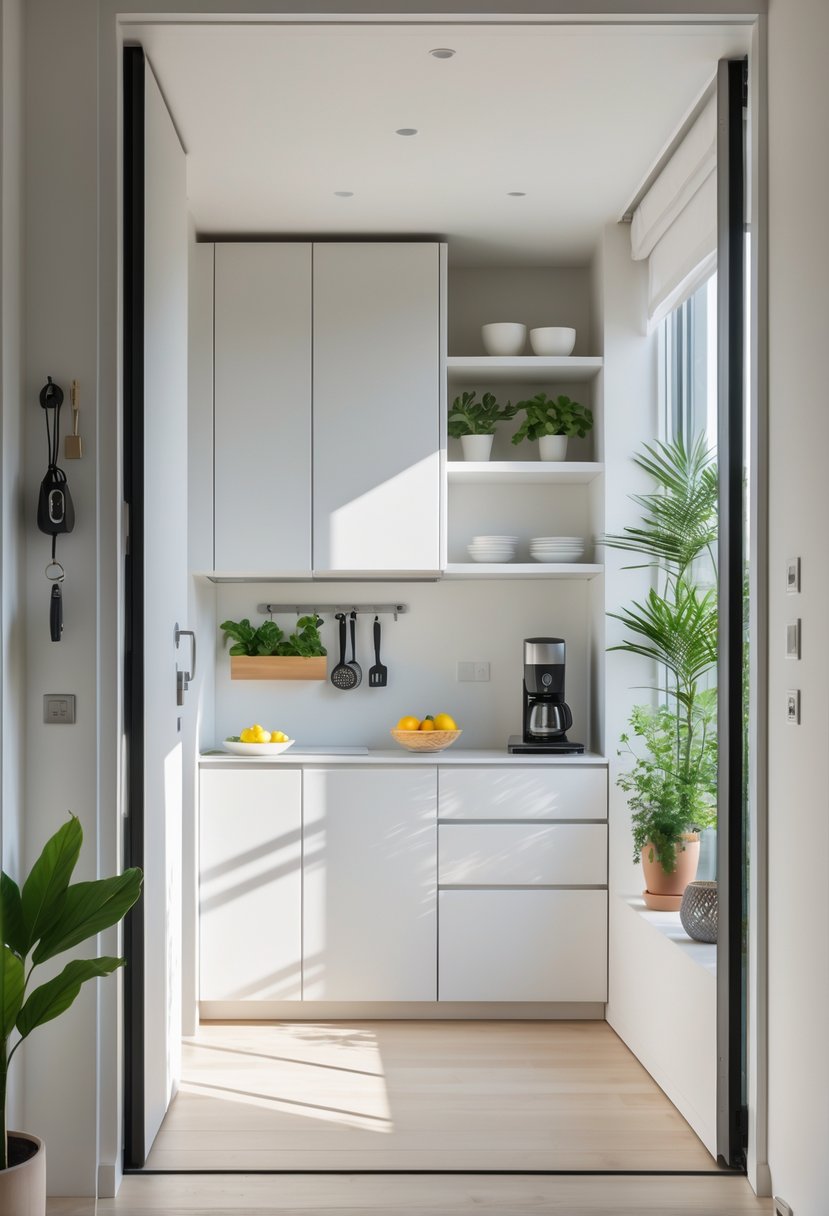
1) Install floating shelves near the entrance for easy access to everyday items
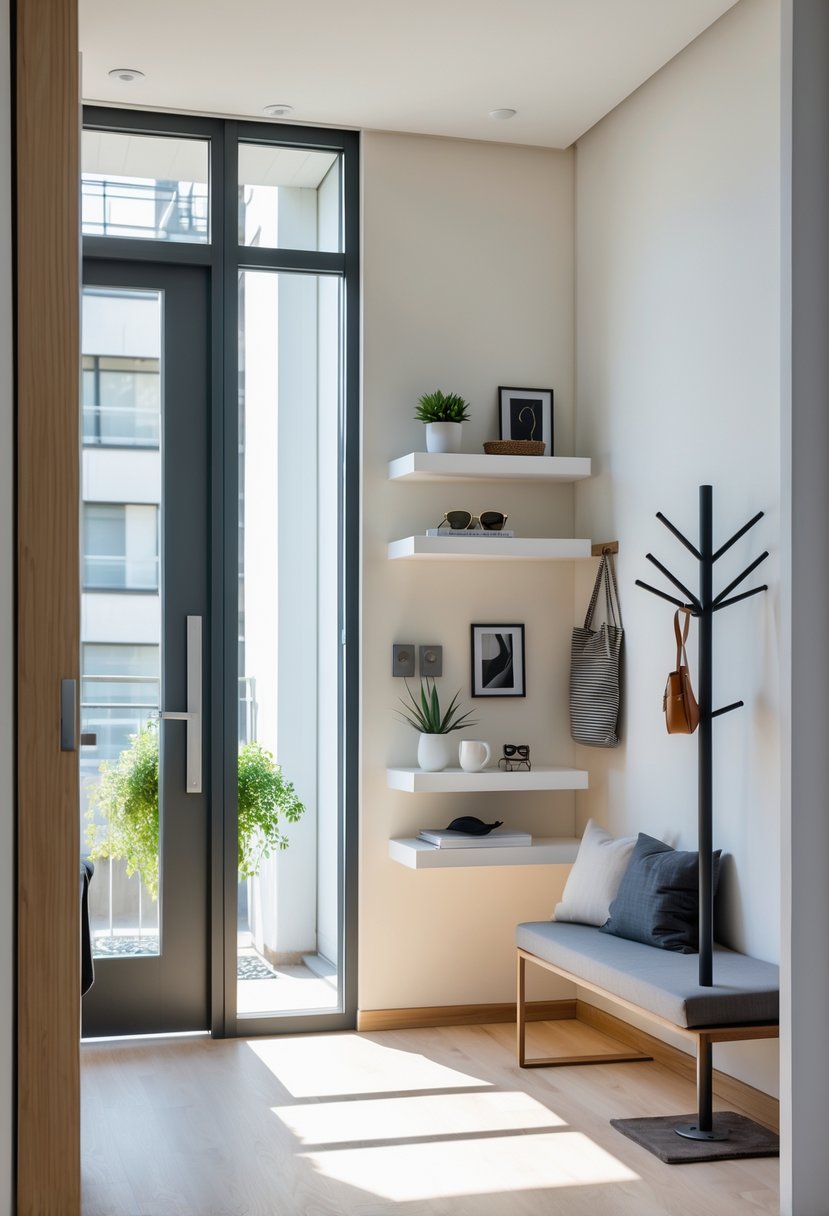
Place a slim floating shelf by the door so you can drop keys, mail, or sunglasses as you come in.
Choose sturdy brackets and anchor into studs for safe storage of mugs or small containers.
Use one or two shelves at eye level to keep daily items visible and reachable.
Keep baskets or labeled jars on the shelf to reduce clutter and speed up your routine.
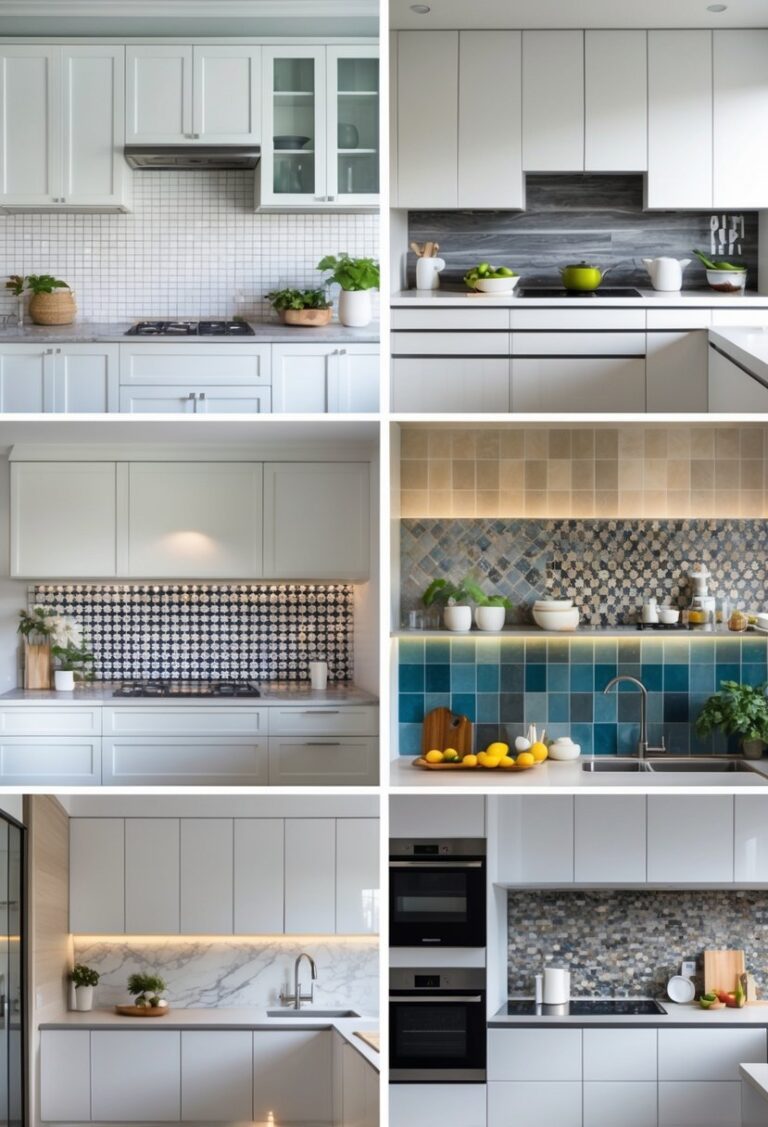
2) Use patterned or mosaic tiles to define the kitchen entrance visually
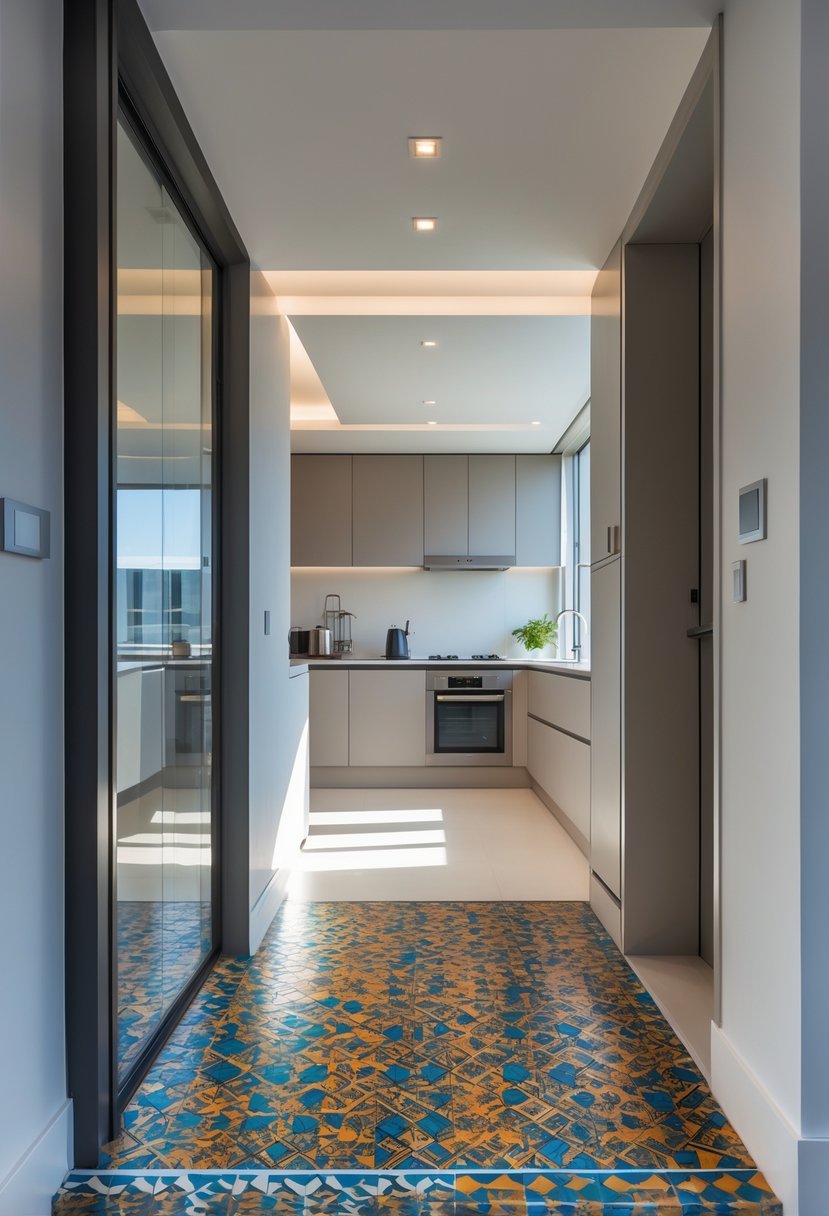
Patterned or mosaic tiles mark the kitchen area without walls, so you keep an open feel. Choose a pattern that complements your flooring and cabinets to create a clear visual border.
Use smaller mosaics for detailed focal points, or larger patterned tiles for a bold transition. Tiles also stand up to spills and traffic, making them practical near the entrance.
Pick colors and textures that tie the kitchen to the rest of the apartment for a seamless look.
3) Add a compact buffet or console table in the entryway for storage and decor
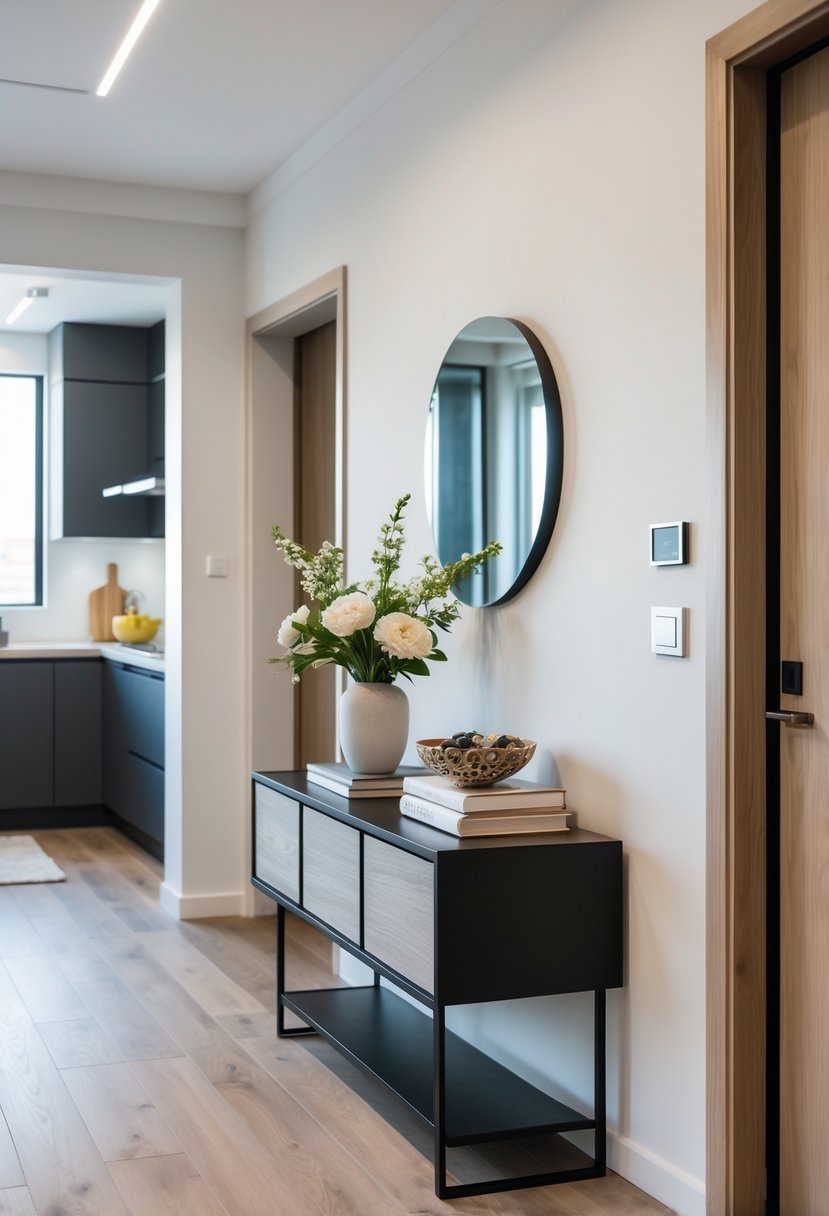
Place a slim buffet or console near the door to hold keys, mail, and a few pantry items. Choose one with drawers or a lower shelf to hide clutter and keep surfaces tidy.
Use the top for a small lamp, a tray for daily essentials, and a plant or art piece. This gives your entry a welcoming look while adding useful storage for a kitchen-at-entrance layout.
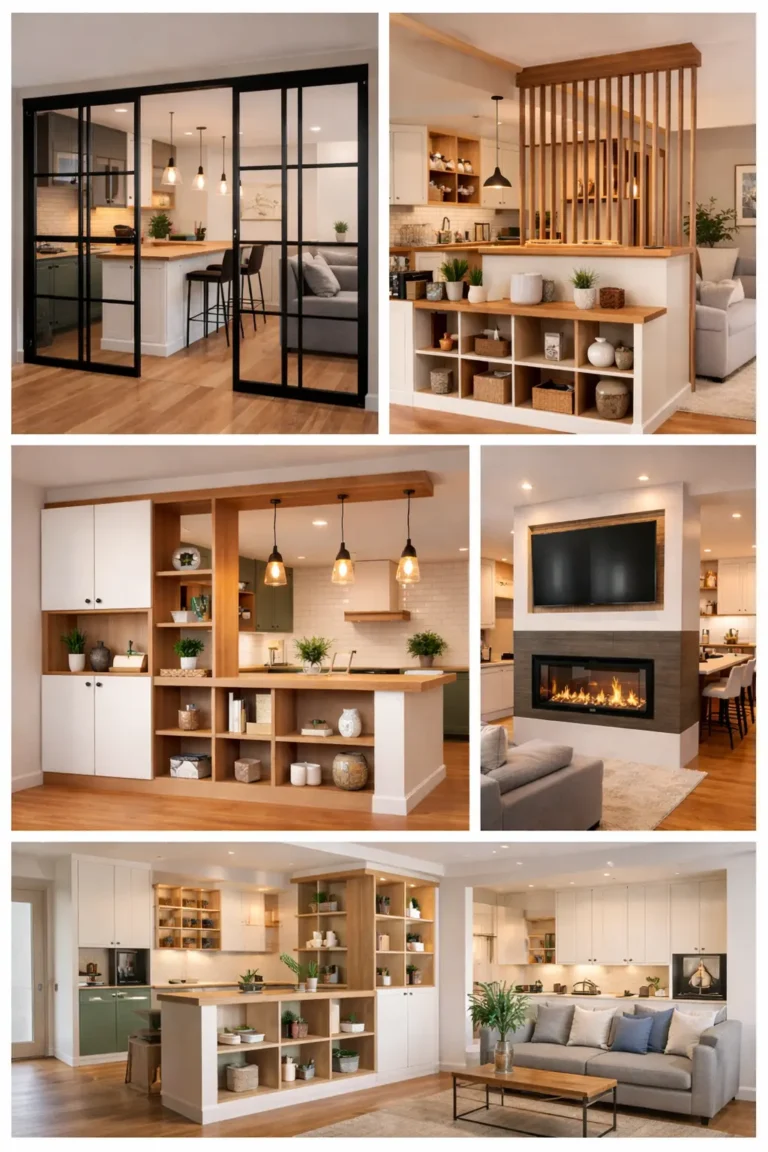
4) Integrate open shelving to keep the kitchen airy and accessible
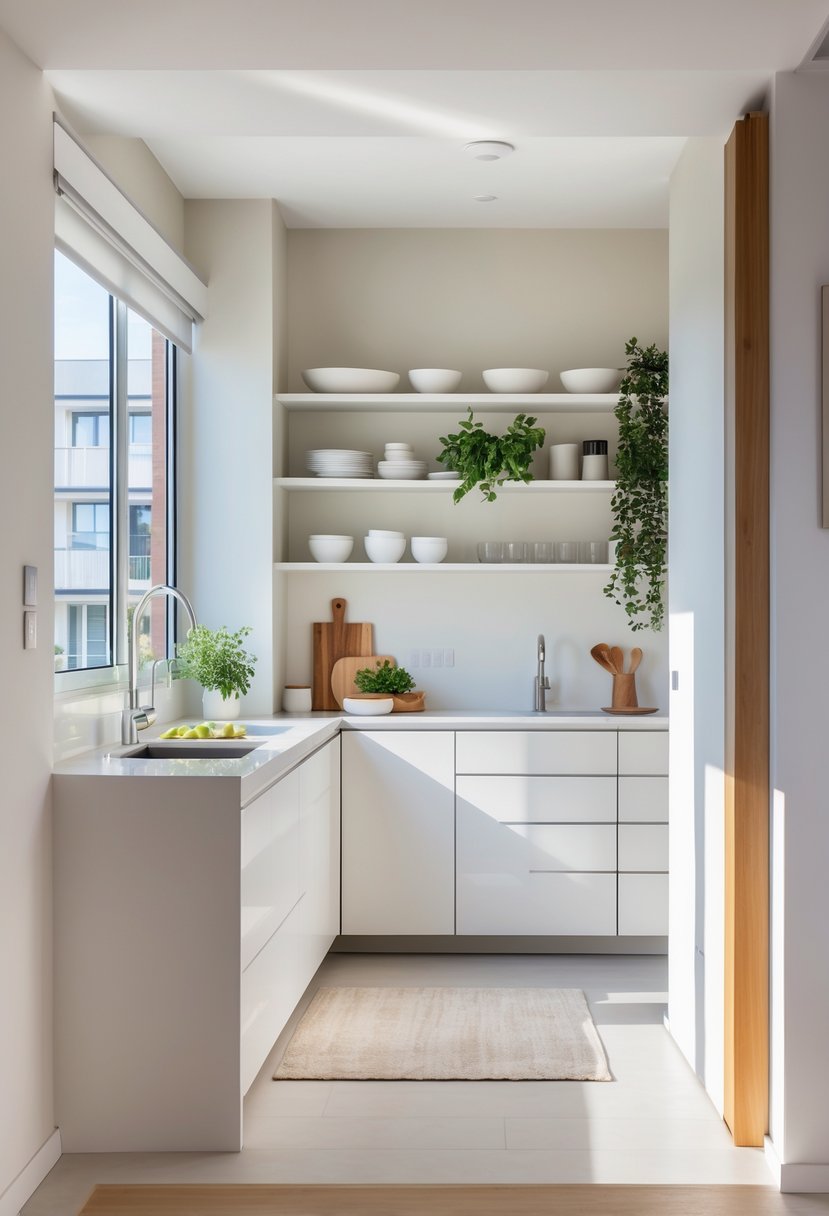
Open shelves make the kitchen feel larger by removing heavy cabinet faces. You can see and reach items quickly, which speeds up cooking and cleanup.
Choose sturdy materials and limit shelf depth to avoid a cluttered look. Arrange everyday dishes and a few decorative pieces so the space stays tidy and useful.
5) Expand a small pantry by utilizing adjacent closet space
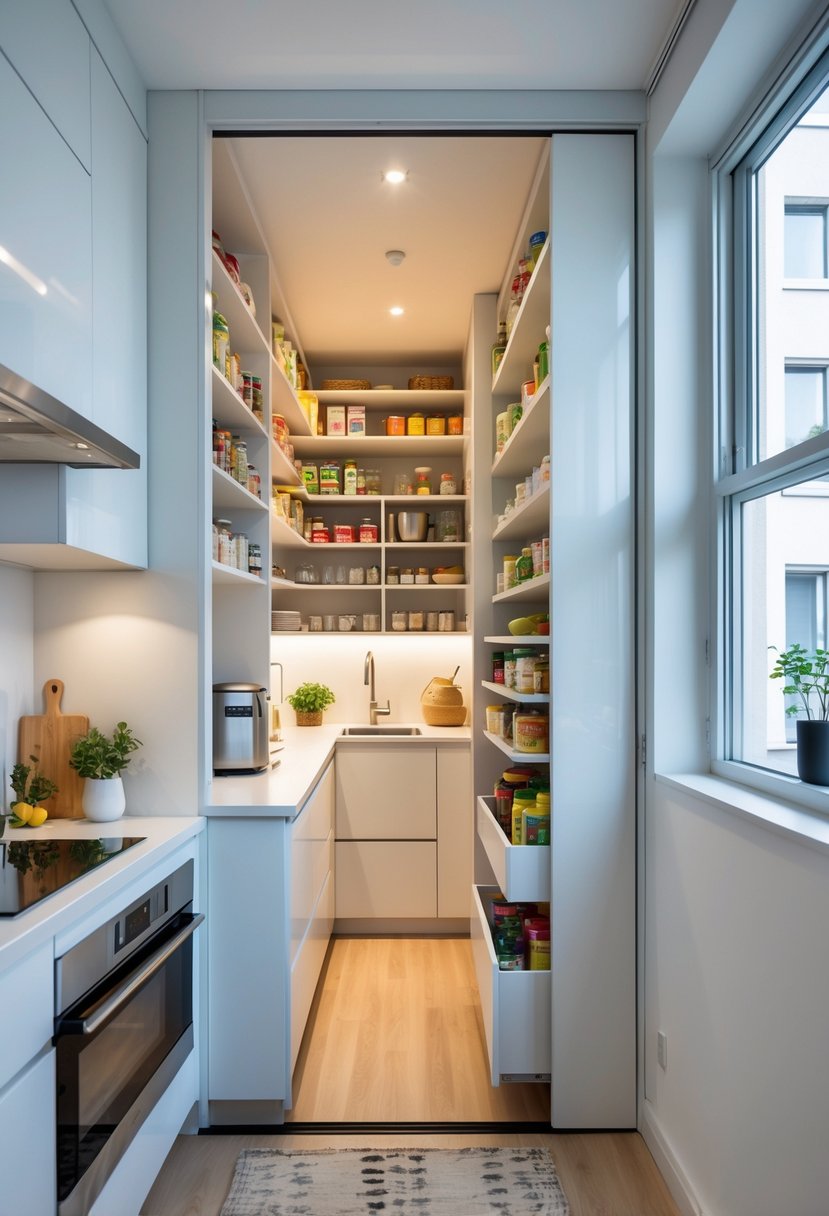
Look for a nearby closet you can repurpose without blocking flow. Remove the door or add a sliding option to save room and create easy access.
Add adjustable shelving and clear containers so you can see and reach items fast. Use vertical space for rarely used appliances and keep everyday goods at eye level.
Install shallow pull-out drawers or baskets to fit narrow gaps. Label everything so you can find things quickly and keep the area tidy.
6) Incorporate strong cabinet hardware to enhance both style and function
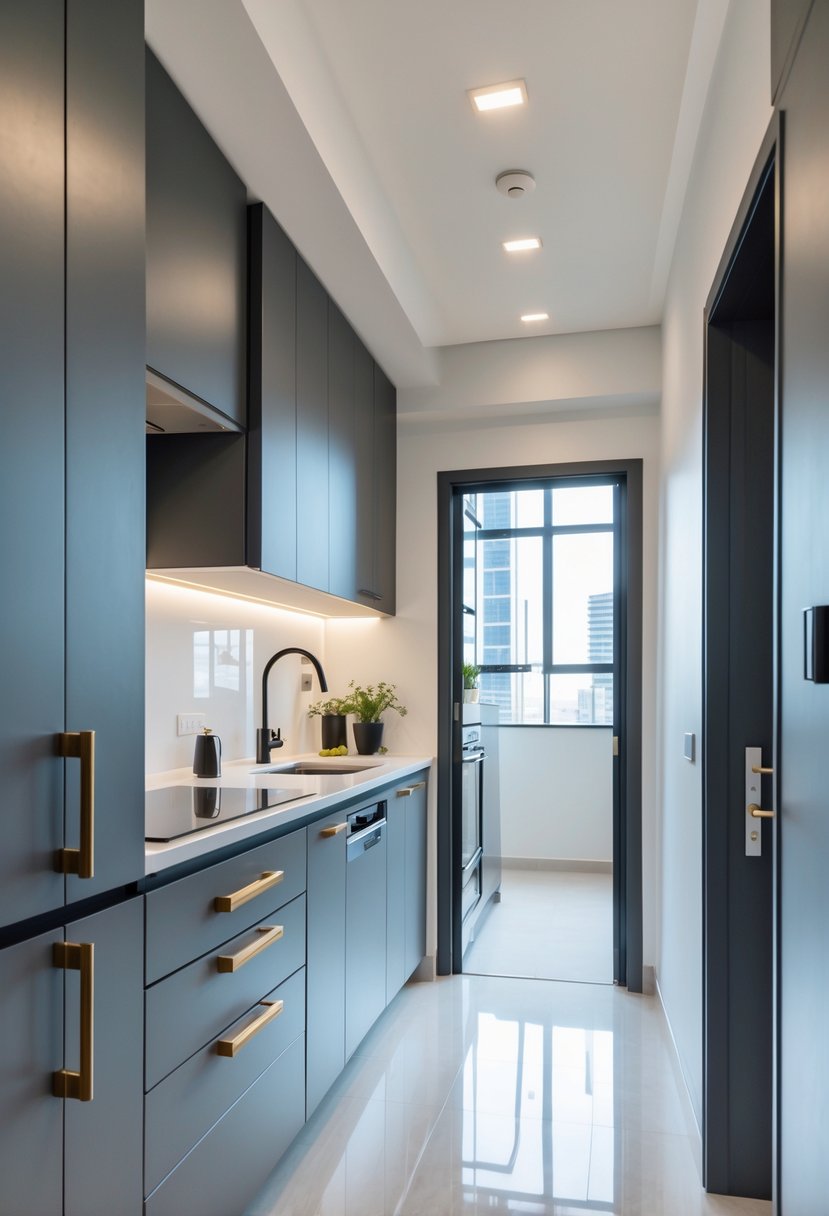
Choose durable pulls and knobs that fit your hand size and daily use. Solid metal and quality finishes resist wear and make opening doors easier.
Match hardware style to your kitchen’s look—matte black for modern, brass for warmth. Consistent hardware ties the entry area to the rest of the apartment.
Install soft-close hinges and robust drawer slides for smooth, quiet operation. These small upgrades boost function and feel without taking extra space.
7) Use modular Leicht cabinets for customizable storage in small kitchens
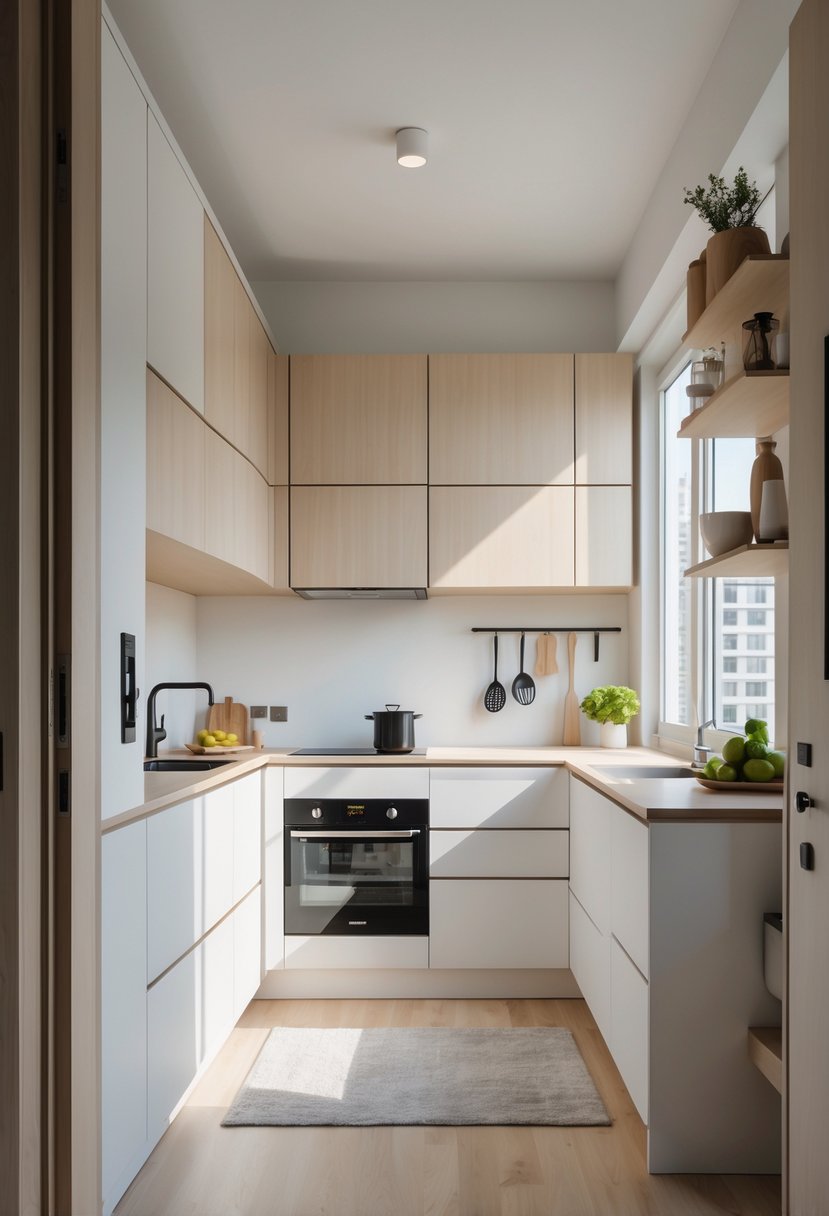
Choose Leicht modular cabinets to fit your entrance kitchen layout. They offer compact, handleless options that keep the space tidy.
You can mix drawers, tall units, and open shelves to match your daily needs. Soft-close drawers and hidden storage make small kitchens more usable.
Pick finishes that reflect light to make the area feel larger. Modular pieces also let you change the setup if your needs shift.
8) Place a statement piece of art on the entry wall to create visual interest
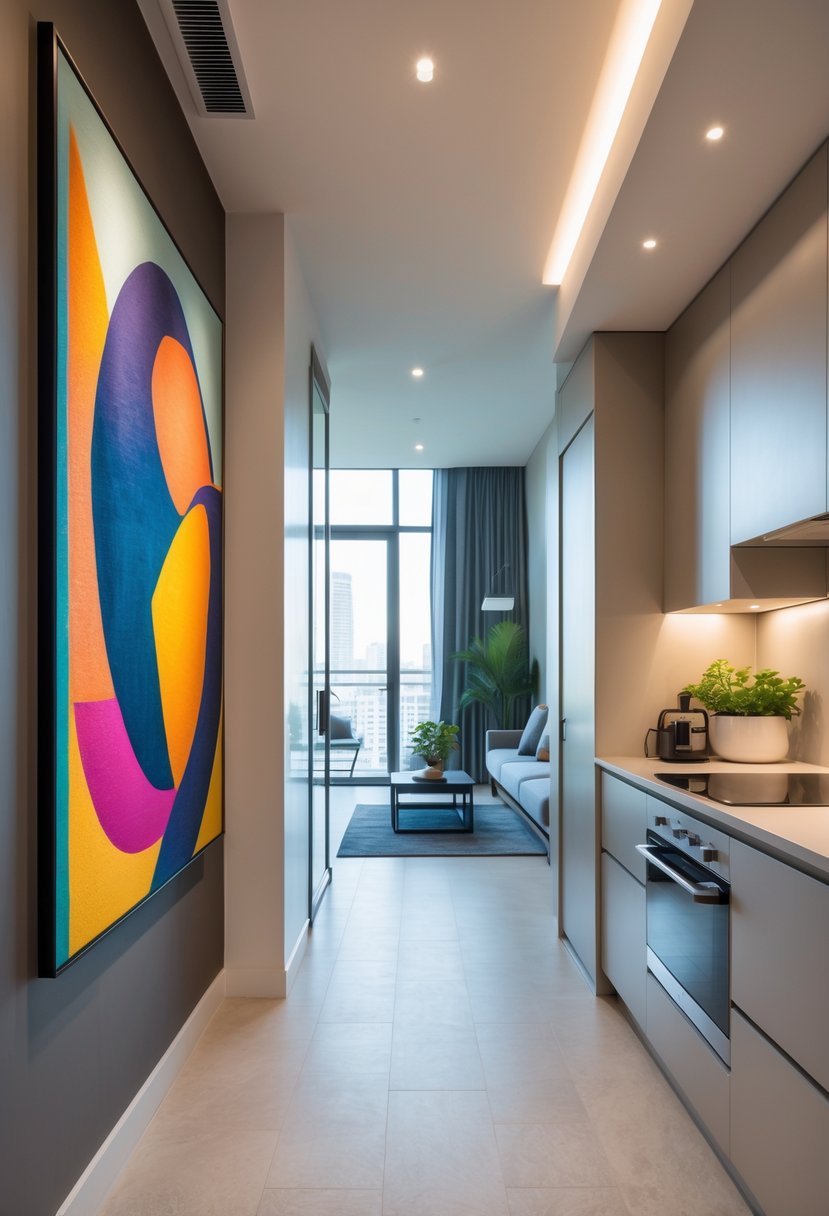
Choose one bold artwork that fits your kitchen and entry color scheme. A single piece anchors the space and draws the eye away from kitchen clutter.
Hang the art at eye level so it feels natural when you enter. Consider a mirror or textured sculpture if you want light and depth instead of color.
Keep surrounding decor minimal to let the piece stand out. Swap art seasonally or with small updates to keep the entry feeling fresh.
9) Use a narrow kitchen island that doubles as an entry table or workspace
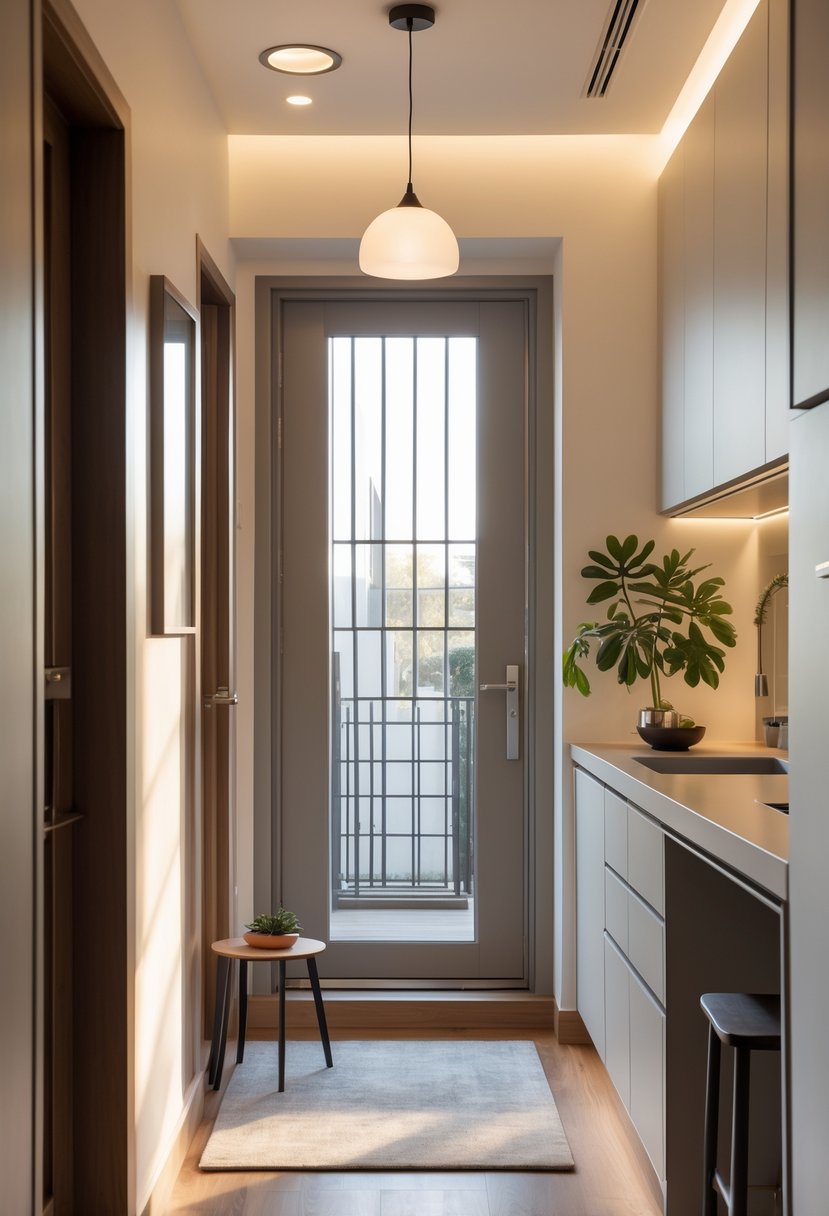
Place a slim island near the door to give you a clear drop zone for keys, bags, and mail.
Keep the width around 12–24 inches so it won’t block traffic but still offers usable surface and storage.
Choose open shelving or shallow drawers for shoes and everyday items you need when leaving.
Add stools or a small overhang so it can serve as a quick workspace or a casual dining spot.
10) Install hooks or a wall-mounted rack for keys and bags at the entrance
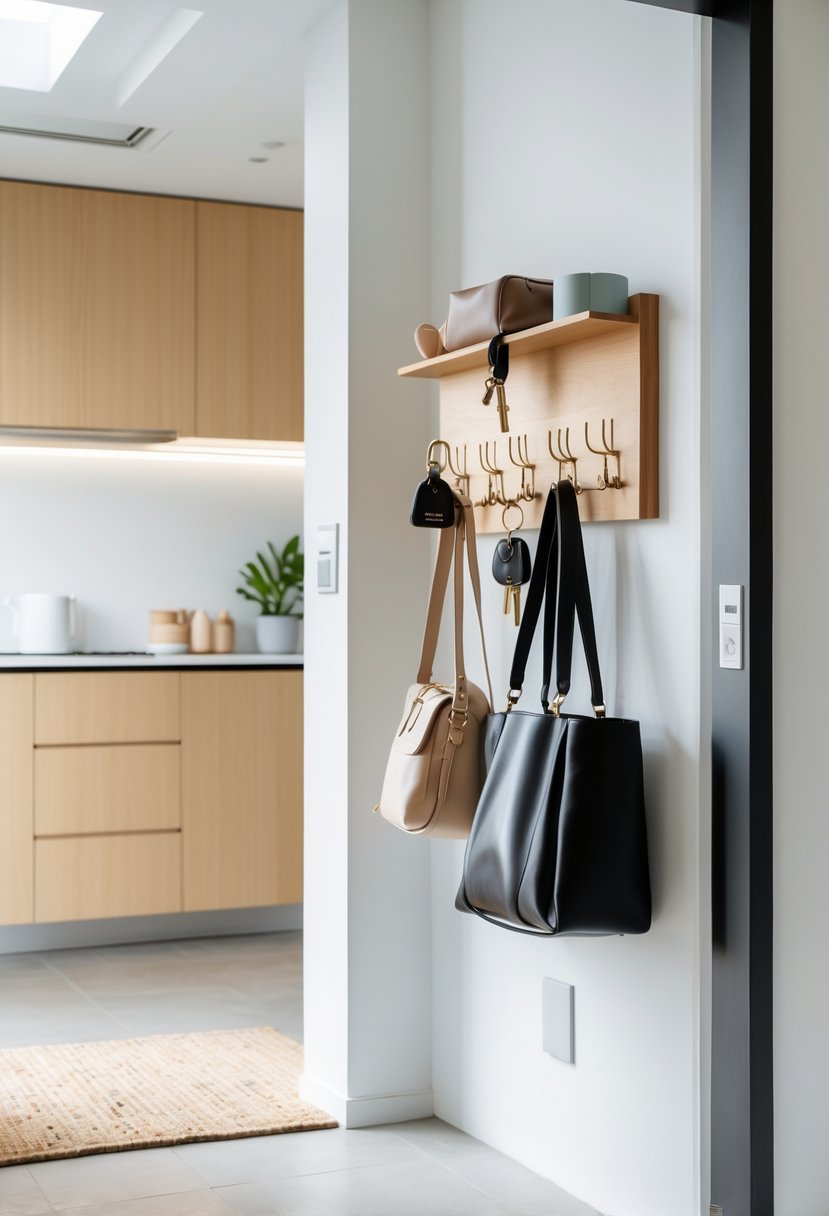
Mount hooks or a small rack near the door so you can grab keys and bags on your way out.
Secure heavier items to studs or use proper anchors to avoid pulls and sagging.
Choose a slim, wall-mounted design to save floor space and keep the kitchen entrance tidy.
11) Combine the kitchen and entry lighting with layered fixtures for ambiance
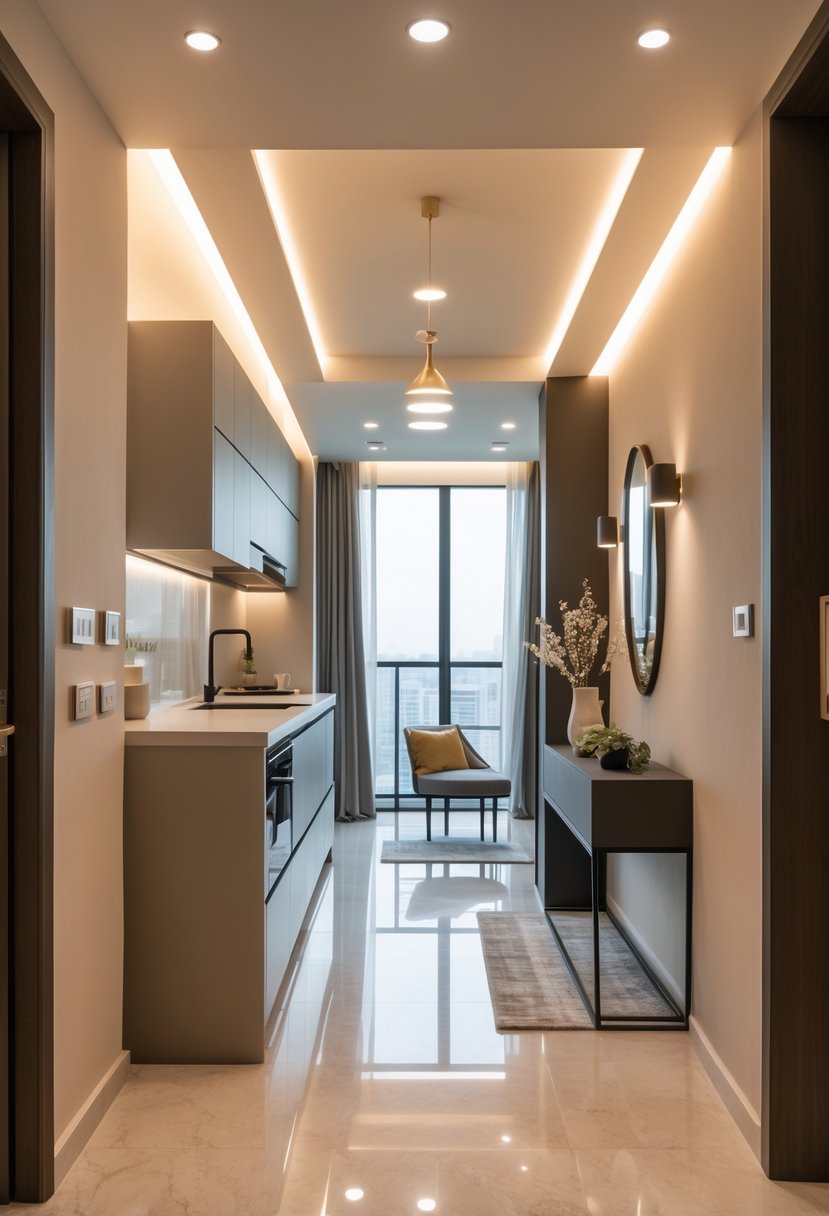
Layer ambient, task, and accent lights so your entry and kitchen work together. Ambient lighting gives overall light, task lights help food prep, and accent lights highlight decor.
Use dimmable overheads and under-cabinet LEDs to shift mood and function quickly. Add a small pendant or wall sconce near the door to make the entry feel welcoming.
Control lights with the same switch or smart scene for seamless transitions. This keeps the space practical and inviting without extra effort.
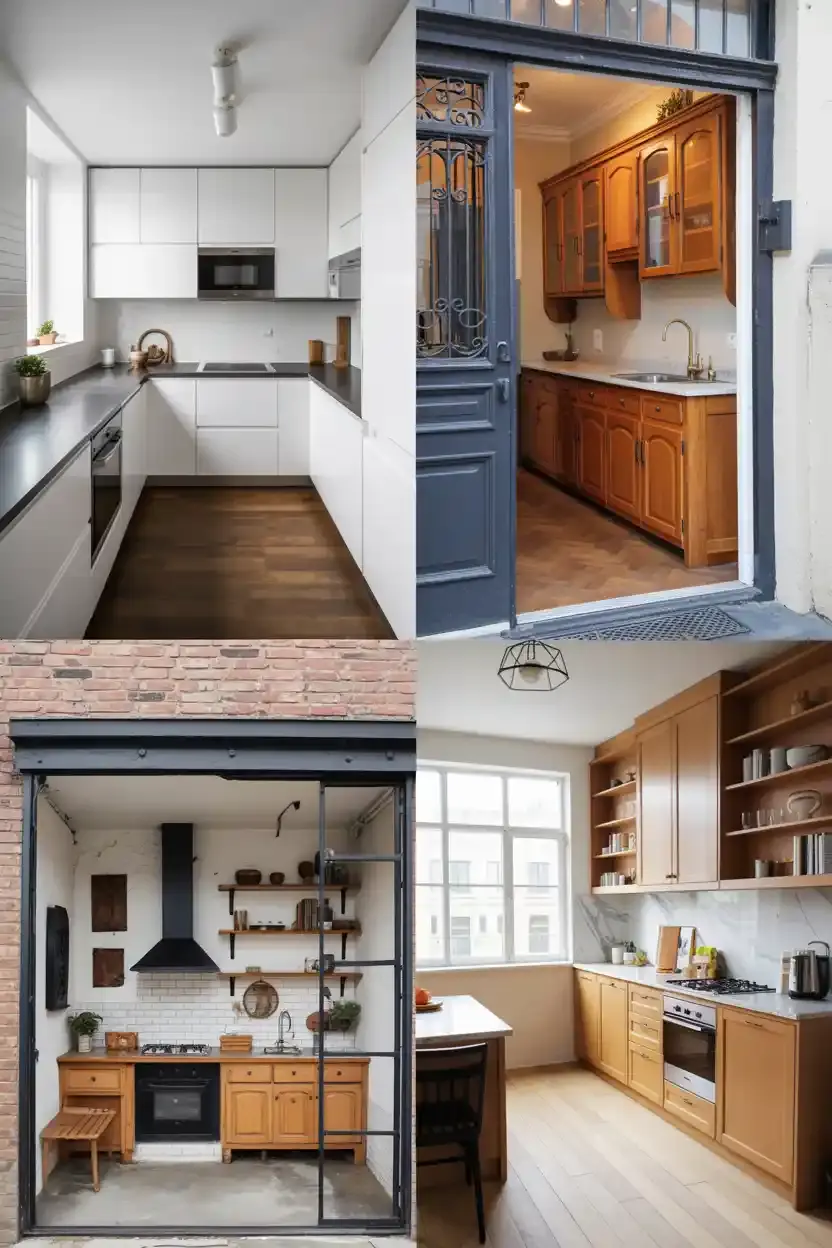
12) Consider a galley kitchen layout to maximize space in the entrance area
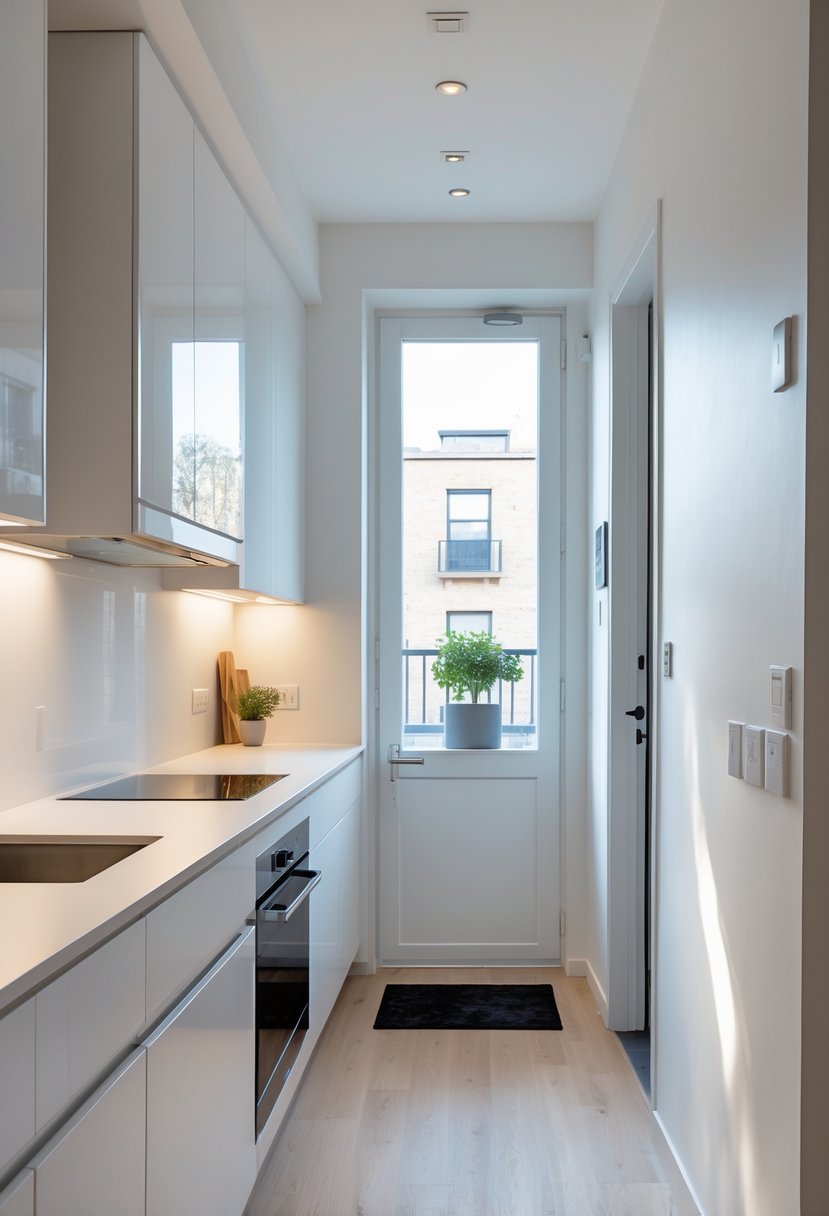
A galley kitchen fits well along a narrow entrance because it uses two parallel runs of cabinets and keeps traffic flowing. You get efficient work zones with minimal steps between sink, stove, and fridge.
Use vertical storage and slim appliances to keep counters clear. Good lighting and a light color palette make the space feel larger and safer as you come in.
Conclusion
You can make a kitchen at the apartment entrance work well for daily life and guests. Focus on clear zones, smart storage, and durable materials to keep the area tidy and safe.
Pick furniture and fixtures that balance style with function. Use room dividers, rugs, or different flooring to mark the kitchen without blocking light or flow.
Keep pathways clear and choose low-maintenance surfaces near the door. That reduces dirt tracking and makes cleaning faster after outings.
Add thoughtful lighting and mirrors to boost brightness and the feeling of space. Small design choices often create big improvements in comfort and usability.
Test a layout before you commit. Measure, sketch, or use a simple mockup to confirm that appliances, doors, and movement paths work together.
Make small upgrades over time. You can refine storage, lighting, or finishes as you live in the space and learn what truly suits your routine.