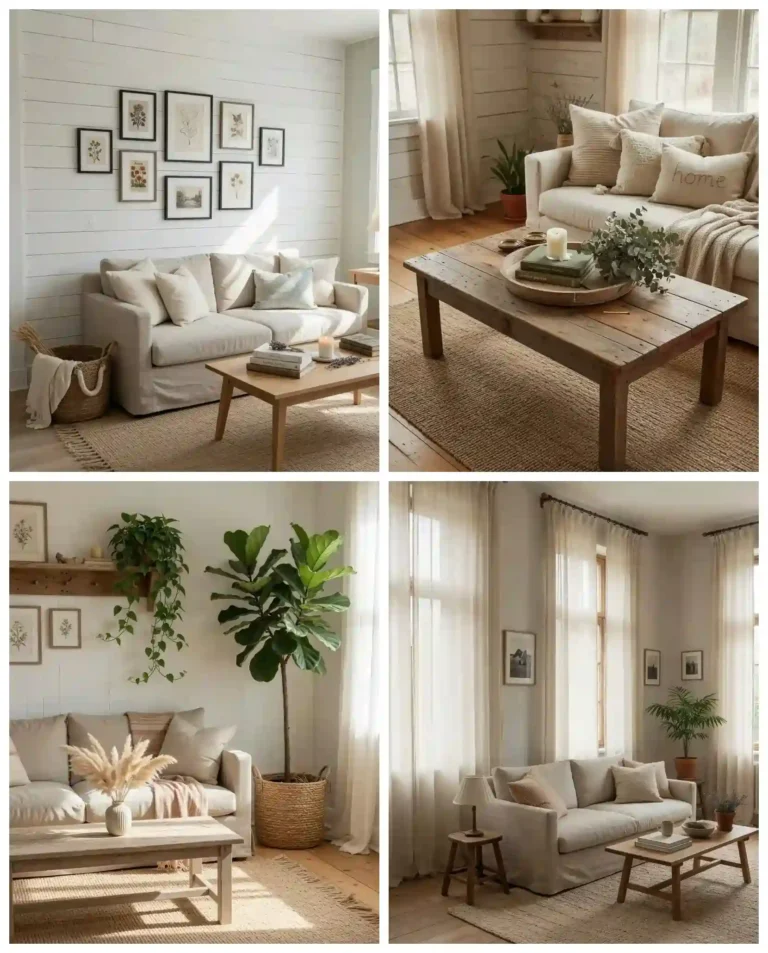
14 Simple Side Table Decor Living Room Layering Tricks for a Polished Look
Your side table is doing a lot of heavy lifting. It holds your coffee, your remote, maybe a random hair tie you forgot about. But it could be doing so much more. A well-styled side table pulls an entire seating area together without you needing to redecorate anything else.
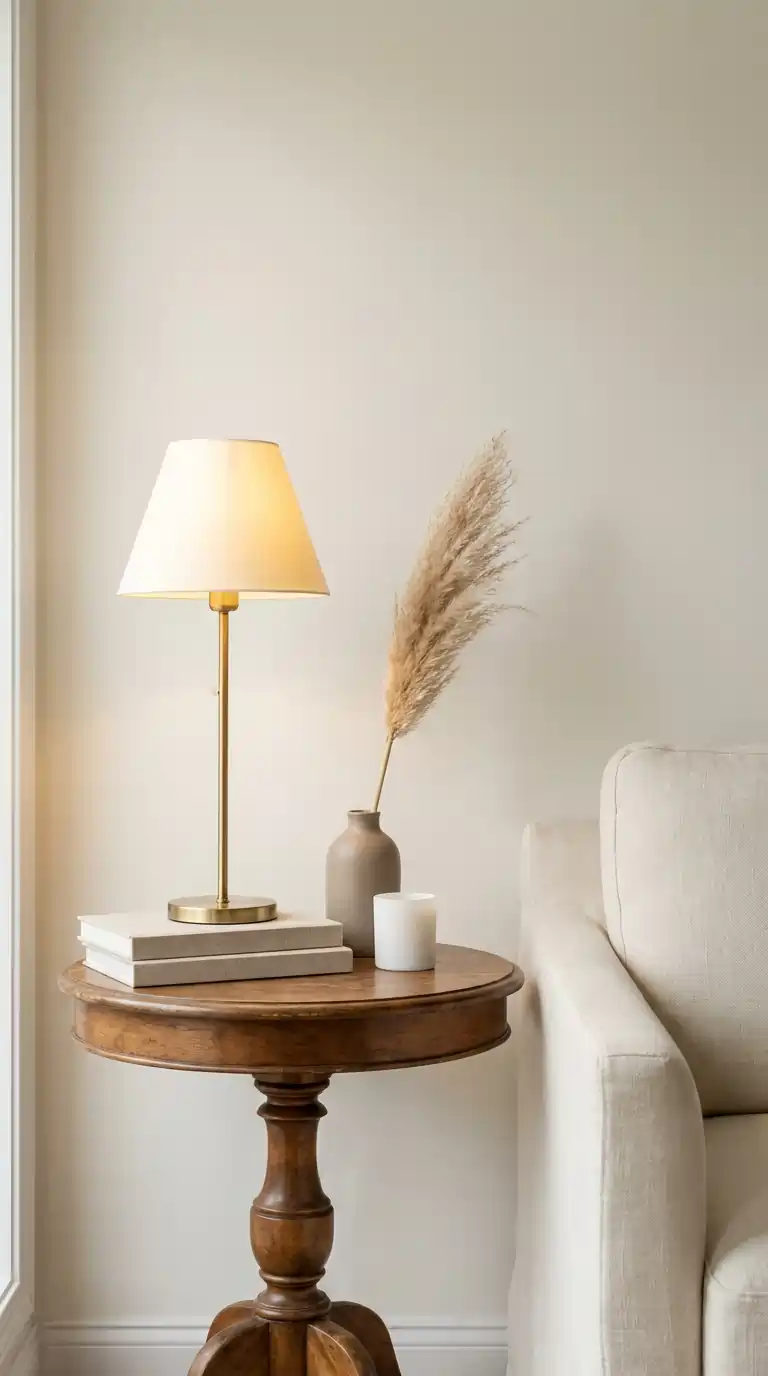
Most people treat their side tables as afterthoughts. That is the real problem. The good news? You do not need a big budget or a design degree to fix it. These 14 layering tricks will show you exactly how to style your side table decor living room setup so it looks curated, calm, and completely intentional.
1. Start With a Tray to Anchor Everything
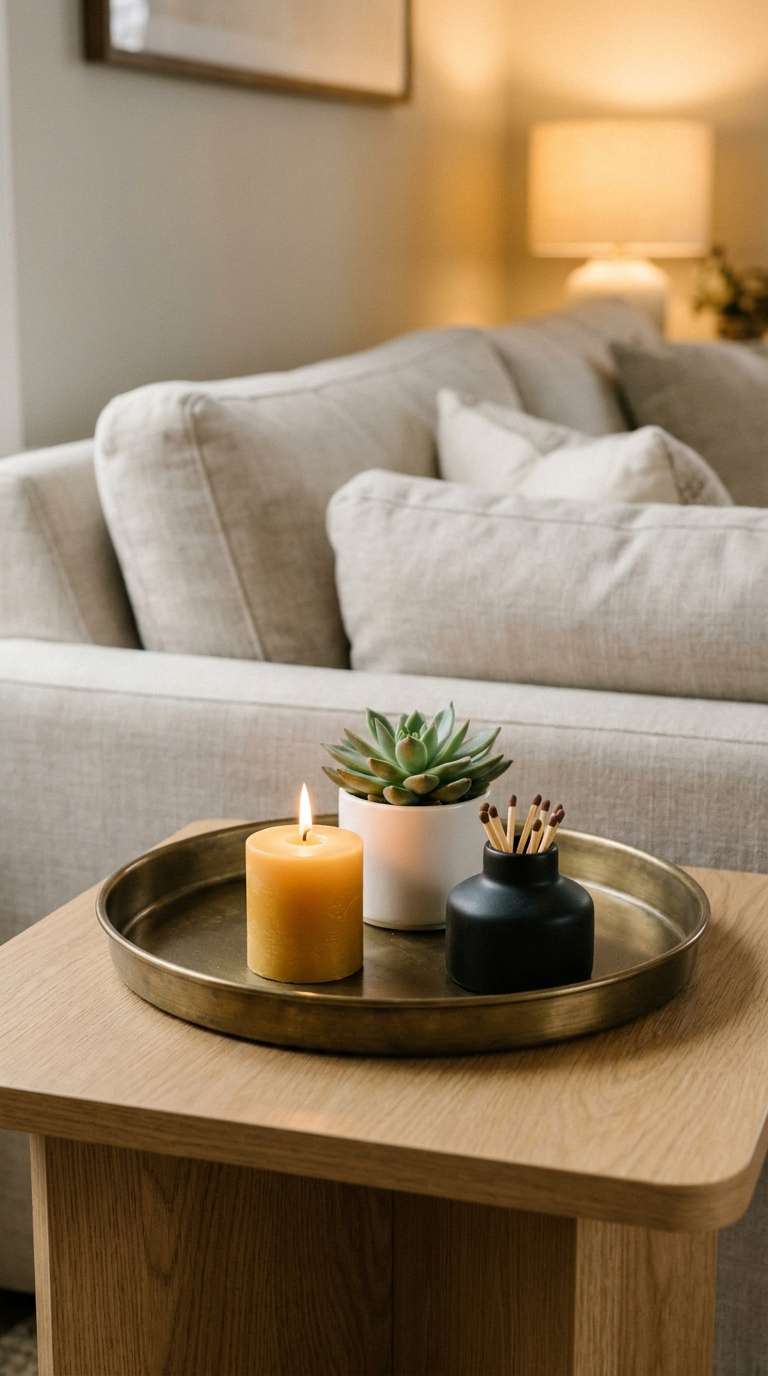
Before you add a single candle or plant, place a tray first. A tray creates an invisible boundary that tells your eye where the vignette begins and ends. It also keeps smaller objects from looking scattered. Choose a material that already exists somewhere in your room. A brass tray works beautifully if you have warm-toned lighting or metal accents nearby. A woven rattan tray feels relaxed and earthy. The shape matters too. Round trays soften angular furniture while rectangular ones work well on longer surfaces.
2. Use the Rule of Three for Object Groupings
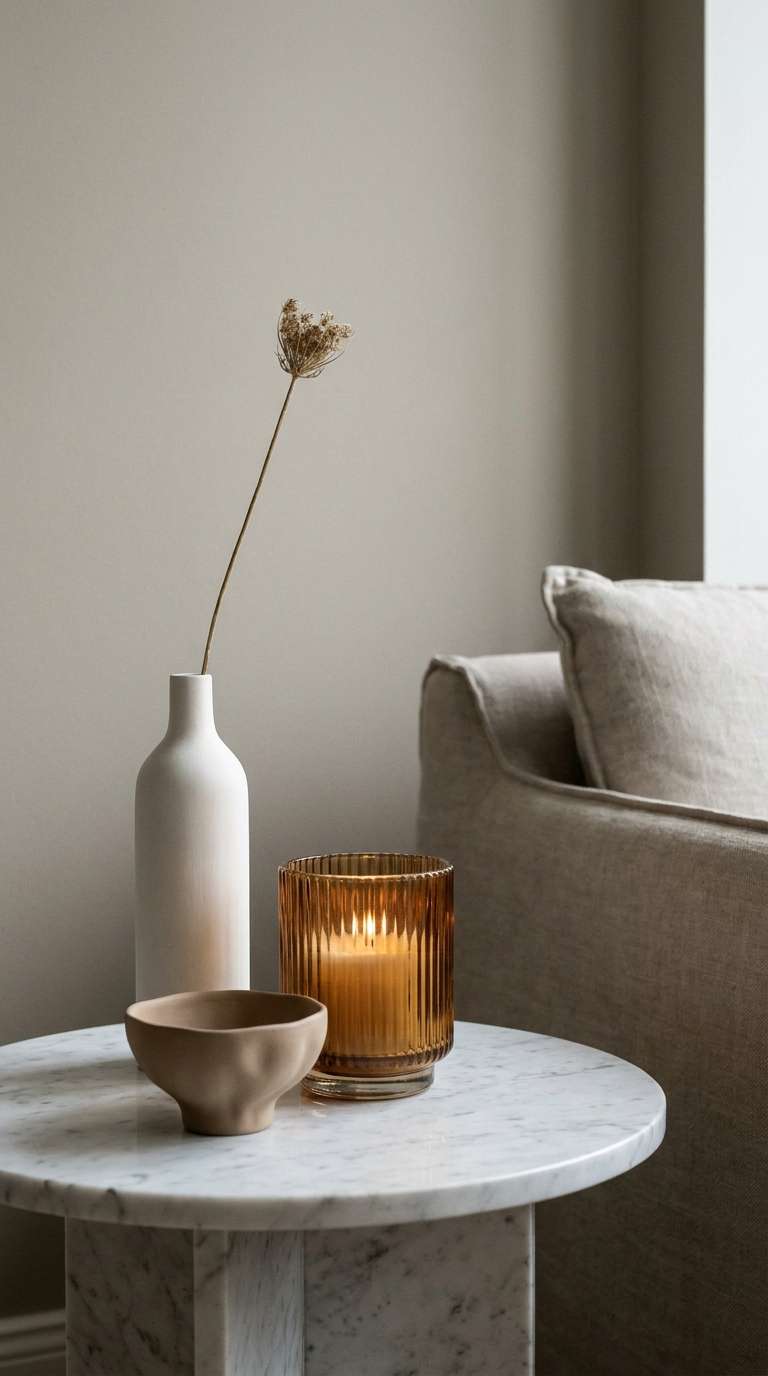
Three objects almost always look better than two or four. This is the golden rule of styling, and it works every single time. Pick one tall item, one medium item, and one small or flat item. A tall vase, a medium candle holder, and a small decorative bowl is a classic combination. The varying heights create movement without chaos. You get visual rhythm without trying too hard.
3. Bring in One Living Element
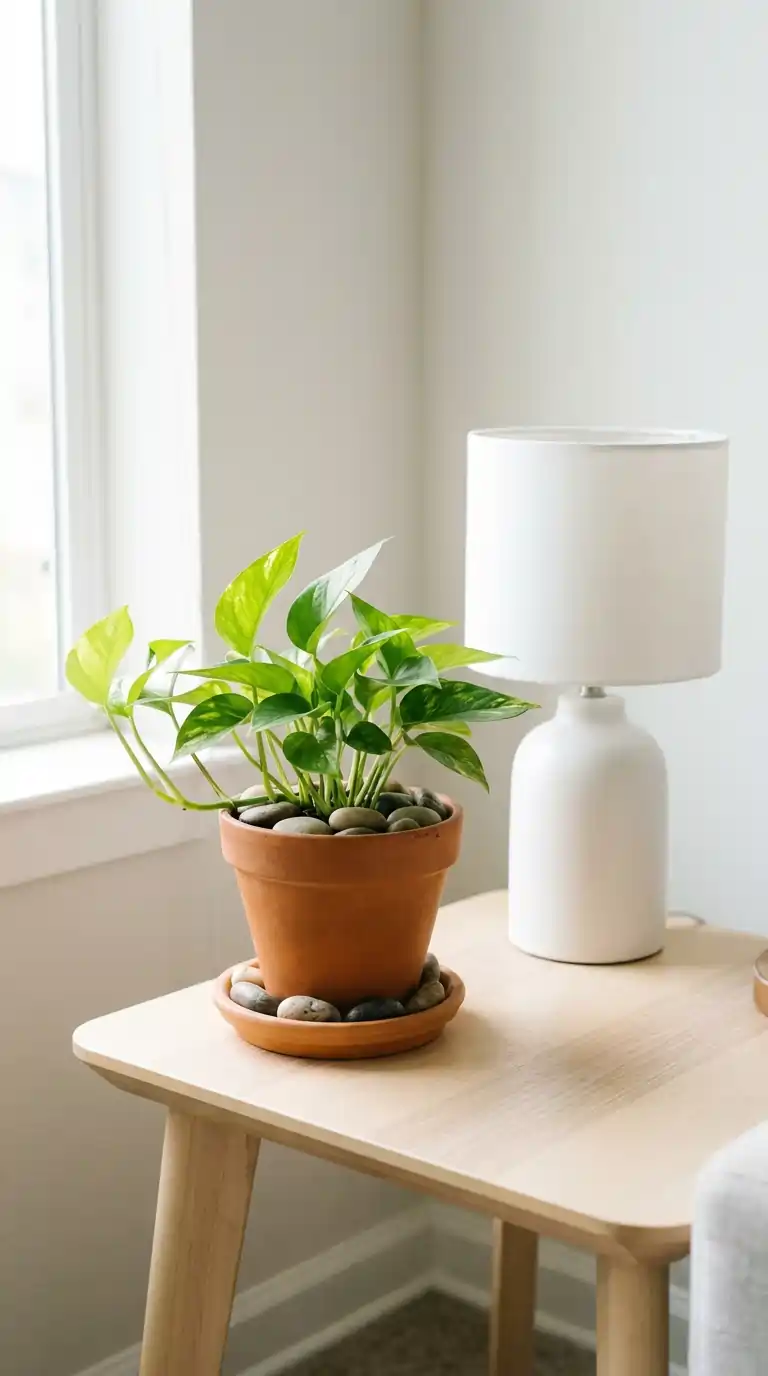
A real plant or even fresh-cut stems change the energy of a table instantly. There is something about living greenery that makes a space feel cared for. You do not need a large plant. A small potted succulent, a trailing pothos, or a single eucalyptus stem in a narrow vase is more than enough. If you struggle to keep plants alive, high-quality faux stems have become incredibly convincing. Just dust them occasionally and they hold up beautifully for years.
4. Layer a Book Stack for Instant Sophistication
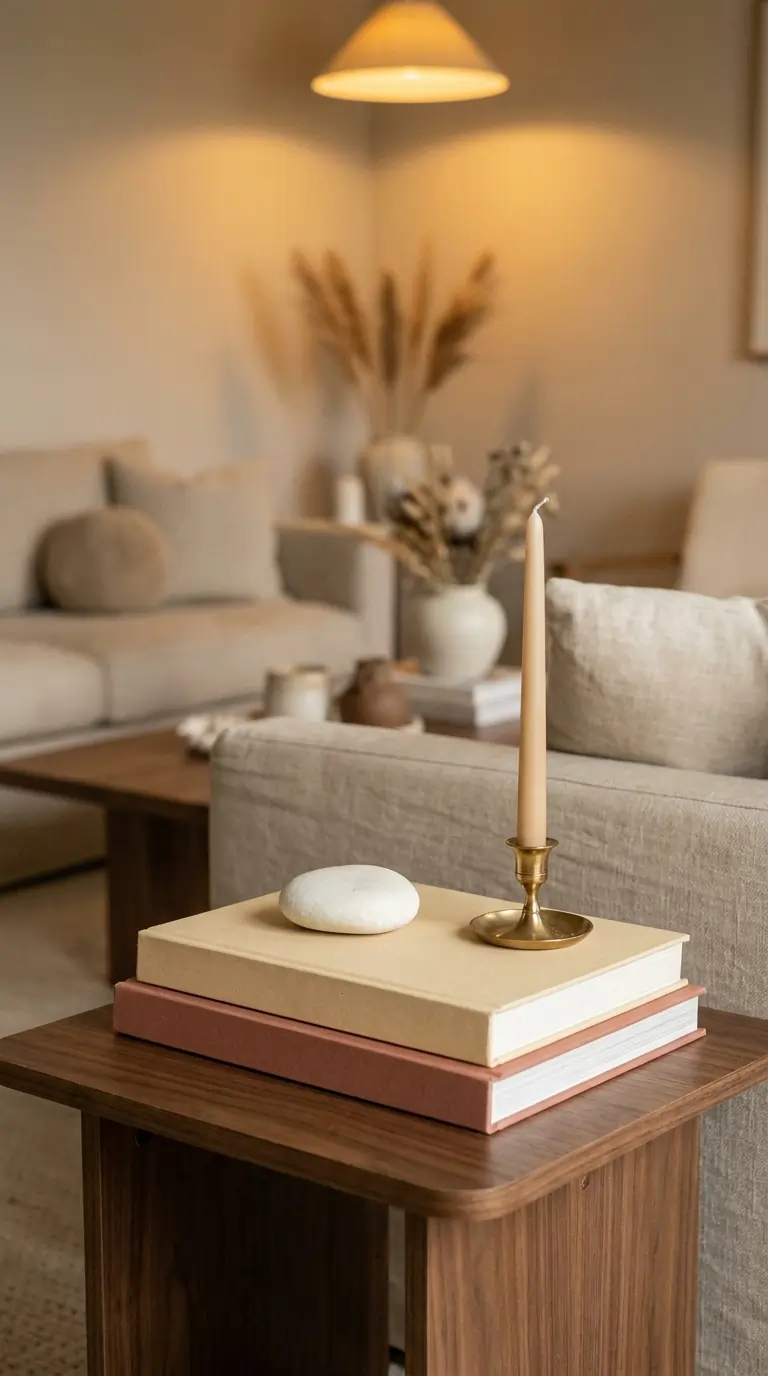
A stack of two or three hardcover books is one of the easiest ways to add character to your side table decor living room styling without spending much at all. Stack the largest book on the bottom and the smallest on top. Rest a small object on the very top, like a smooth stone, a small candle, or a figurine. Choose books with spines that complement your color palette. Neutral tones, terracotta, dusty green, and warm cream all tend to photograph beautifully and blend easily into most living rooms.
5. Pick a Texture You Have Not Already Used
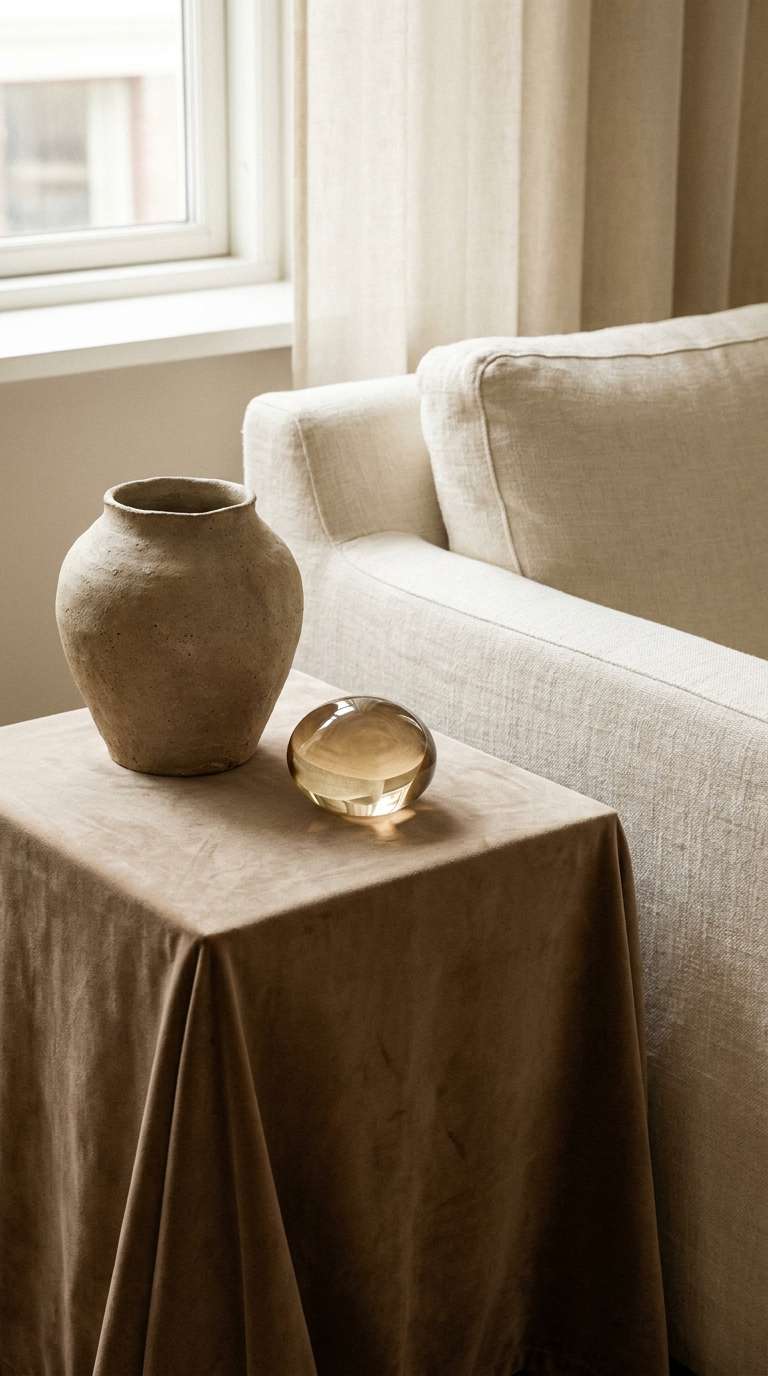
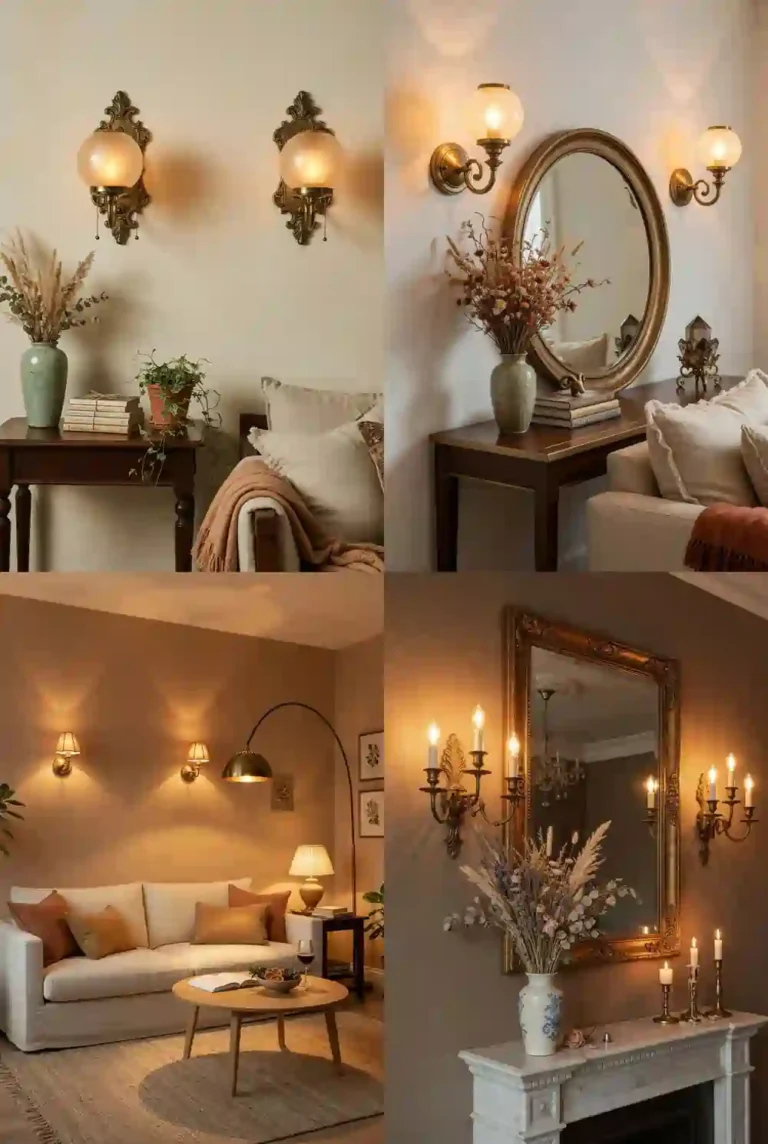
Your side table is a great place to introduce a texture that is missing from the rest of the room. If your sofa is smooth velvet, add a rough ceramic vase to the table. If your rug is chunky and woven, consider a sleek marble or glass object on the surface. Texture contrast keeps the eye engaged. It is one of those small design moves that you might not consciously notice but would absolutely feel if it was missing.
6. Add a Personal Object That Tells a Story
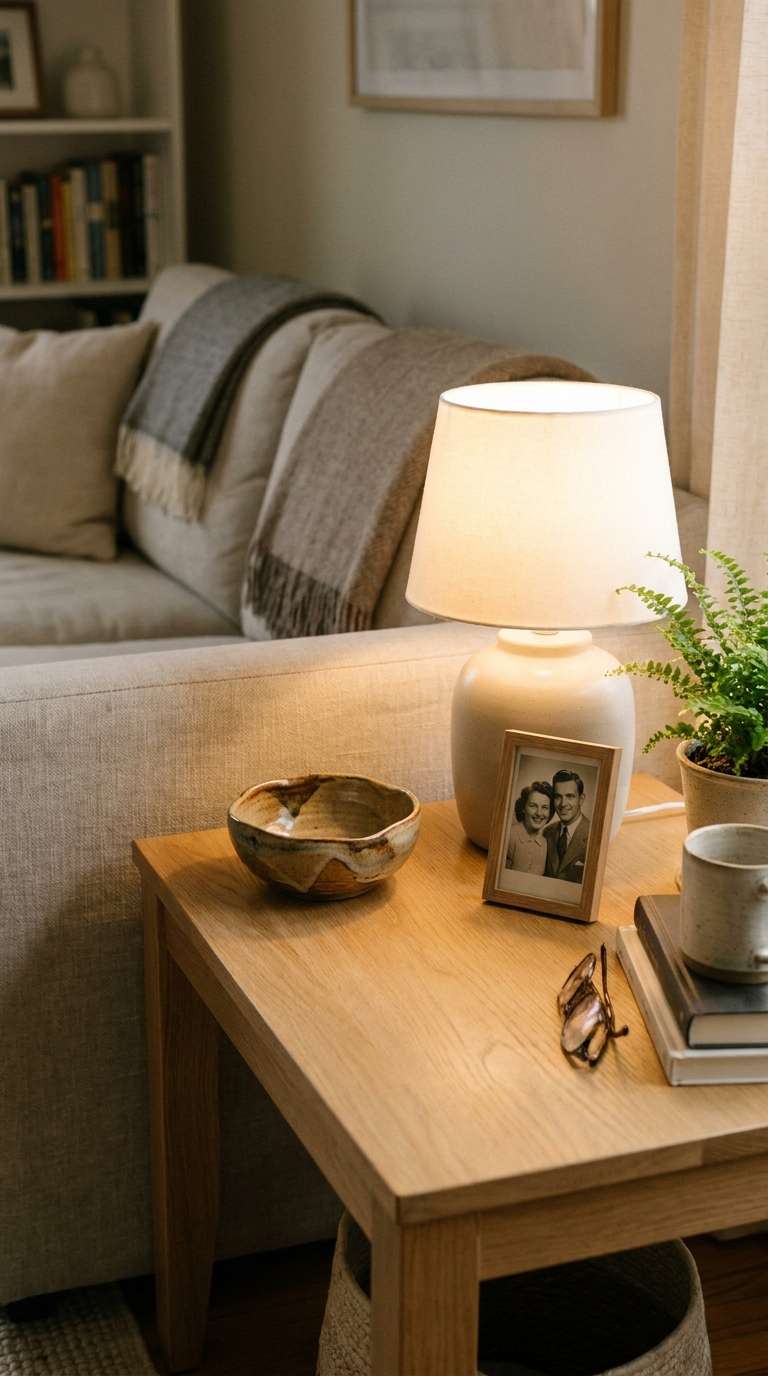
Perfectly styled rooms can feel cold when everything looks purchased from the same store. One personal object breaks that spell. This could be a small piece of pottery from a market you loved, a framed photo with a beautiful frame, or a souvenir that actually means something to you. It does not need to be expensive. It just needs to be real. That one object gives your table a story and makes the whole room feel like yours.
7. Try Varying Finishes Instead of Matching Metals
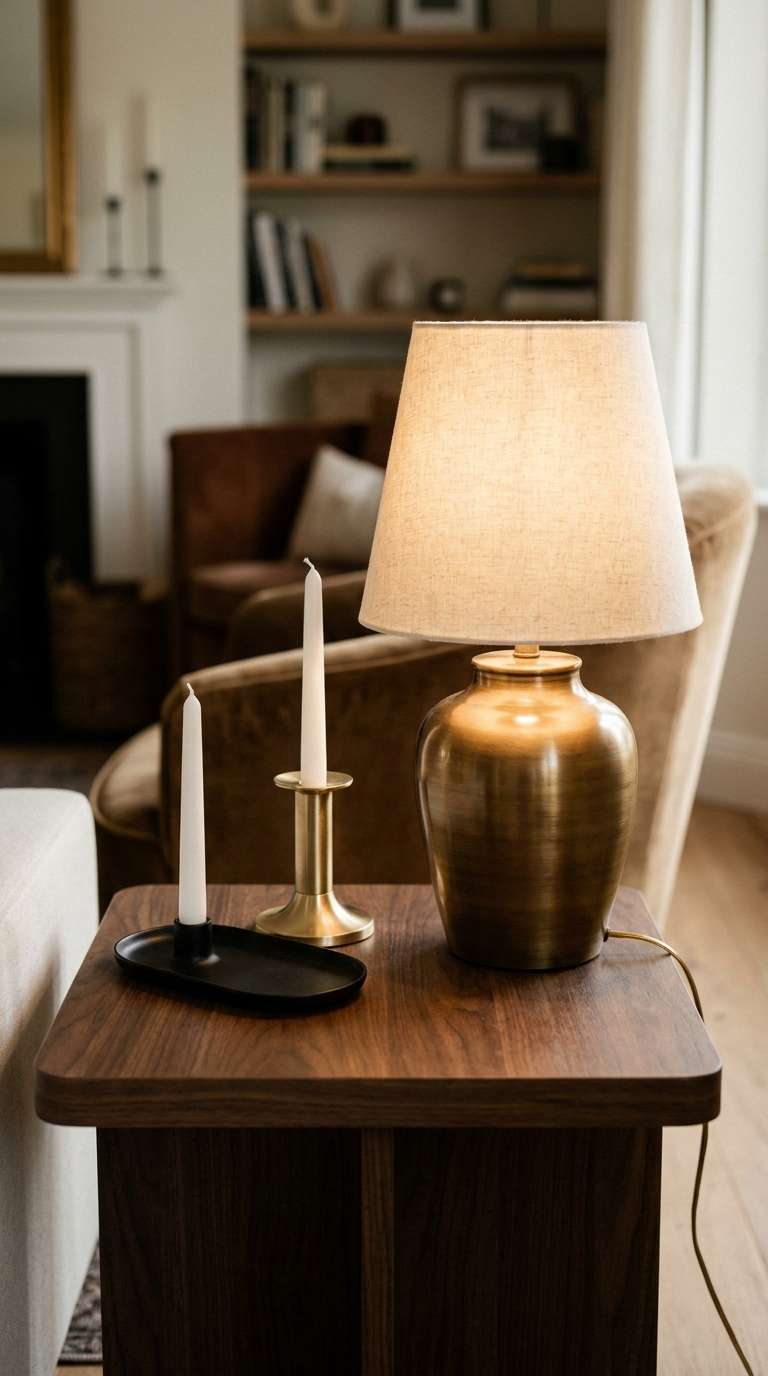
Matching everything used to be the rule. Now mixing is where the interest lives. Instead of buying a lamp, a candle holder, and a tray all in the same gold finish, try layering gold with aged brass or black with brushed nickel. The key is to keep the overall color family consistent. Two warm metals together look intentional. A warm and a cool metal together can look accidental unless the rest of the room supports it. Think about the finish on your lighting when styling the table near it.
8. Let Your Wall Color Inspire the Palette
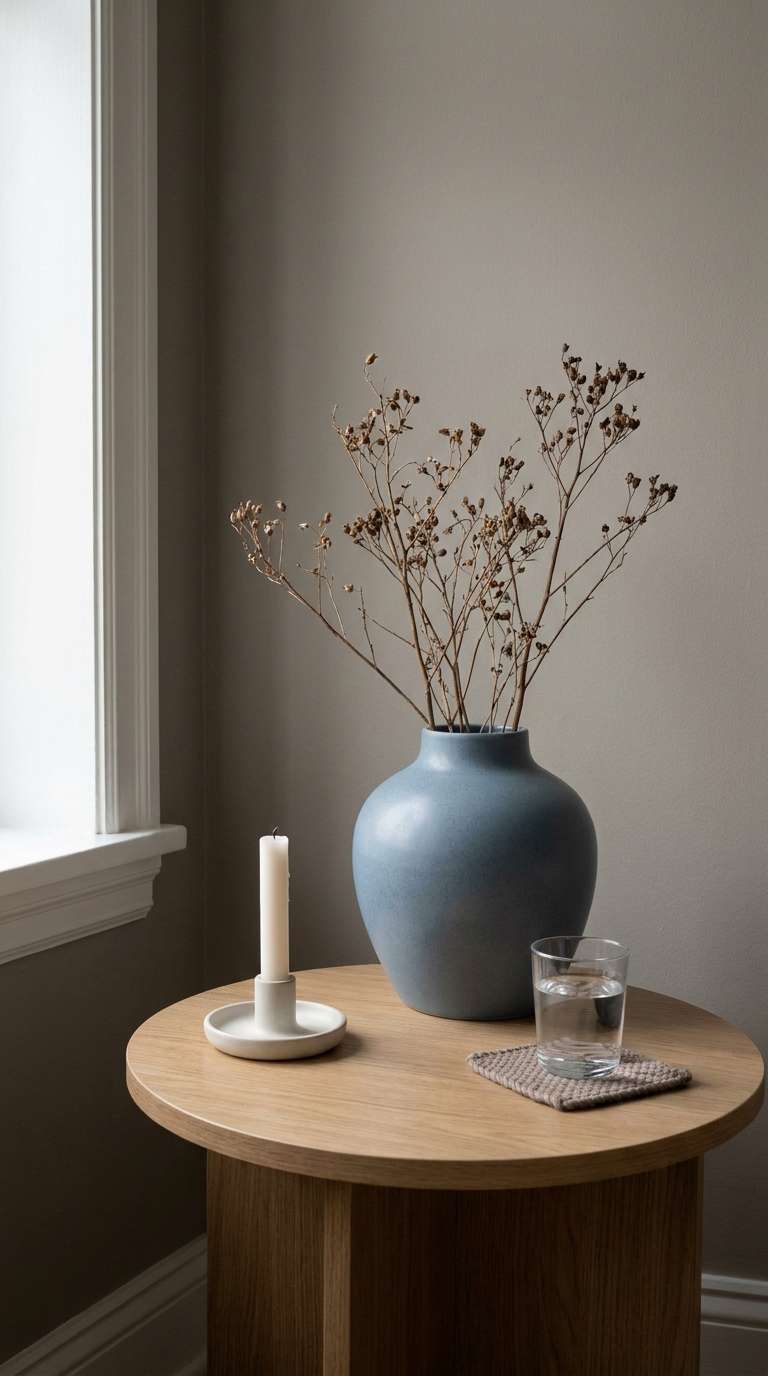
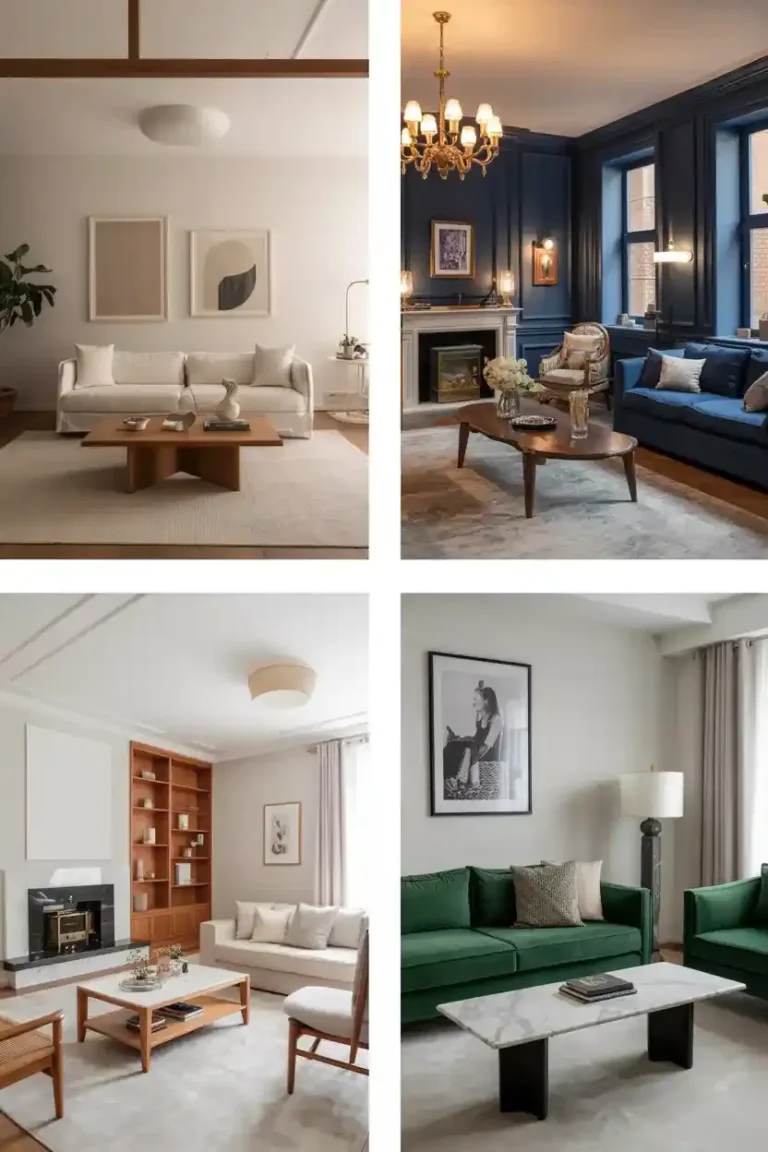
Your side table should not fight with your walls. It should echo them. If you are working with a gray walls living room setup, pull soft whites, warm taupes, or dusty blues into your table objects. The table then becomes a natural extension of the room rather than a random cluster of things. Look at your wall color in different lighting throughout the day before committing to table accessories. Morning light and evening lamp light can make the same color read completely differently.
9. Choose a Lamp That Earns Its Spot
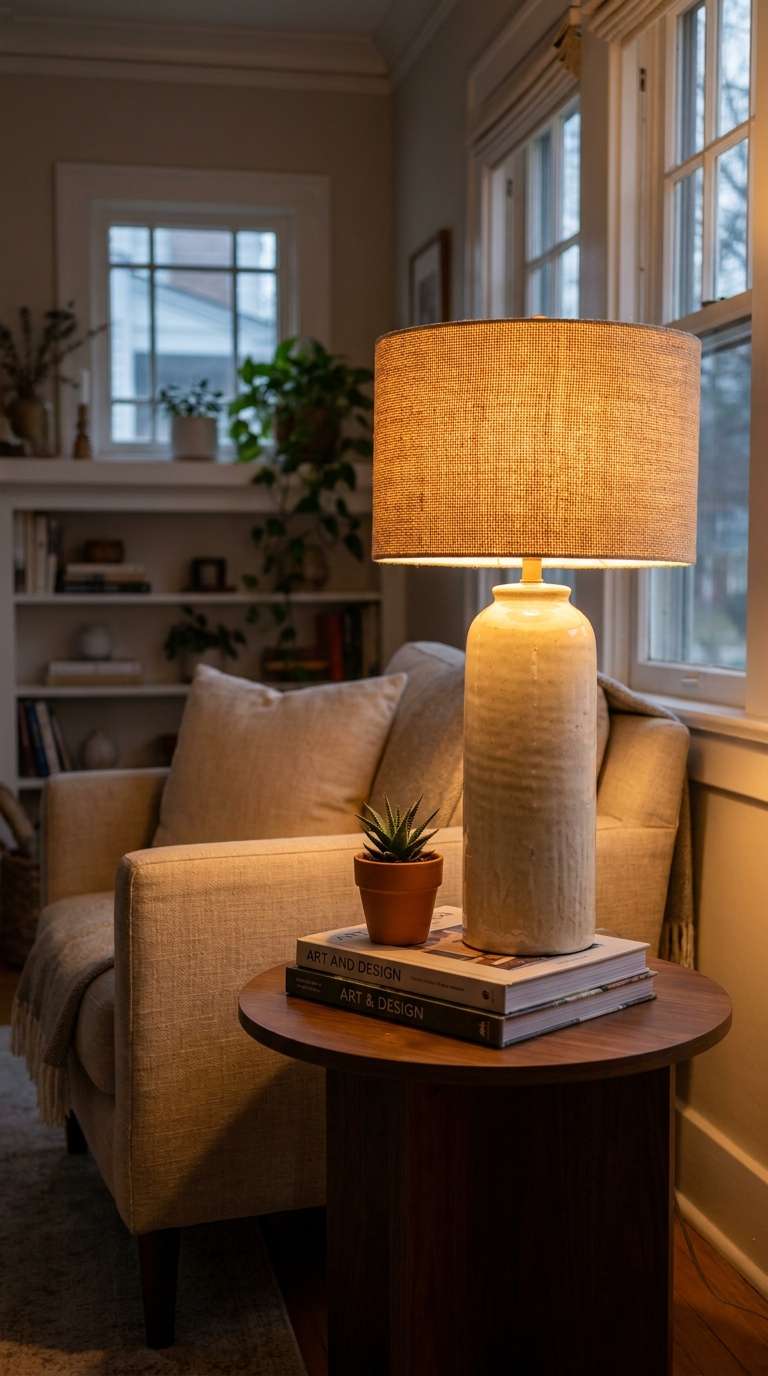
A lamp on a side table should do more than just light a room. It should look good doing it. The lampshade shape matters as much as the base. A wide drum shade gives a casual, relaxed feel. A tapered empire shade looks more traditional and refined. If you want something sculptural and modern, a minimalist arc or column-style base with a small shade creates a striking focal point. Make sure the lamp height is proportional to the table. A lamp that is too short looks lost. One that is too tall overpowers everything else.
10. Use a Single Statement Object Instead of Many Small Ones
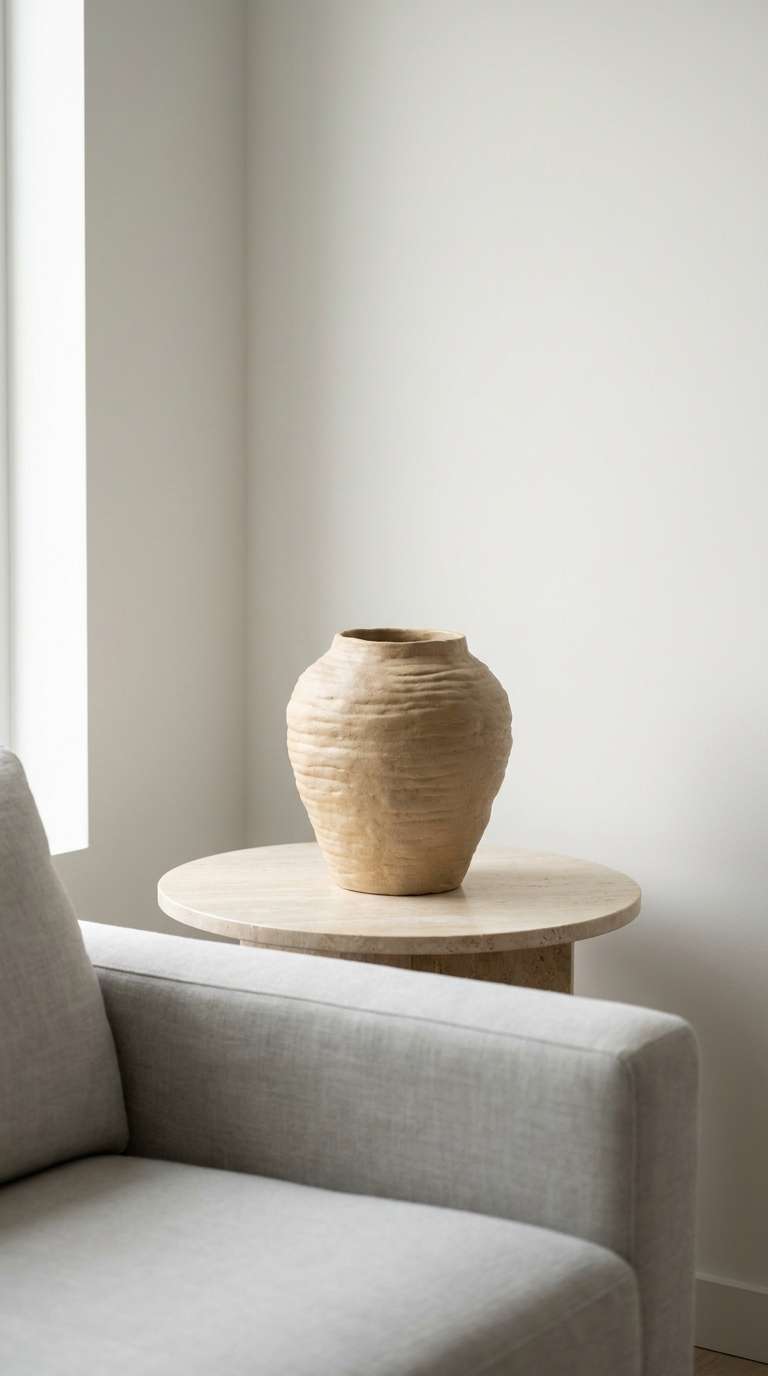
Sometimes restraint is the most powerful styling choice. Instead of filling every inch of the table surface, place one bold, beautiful object and let it breathe. A large piece of raw quartz, an oversized ceramic vase, or an interesting sculptural object can anchor a table all on its own. This approach works especially well in small living rooms where visual clutter can make the space feel cramped. The negative space around the object becomes part of the composition.
11. Repeat a Color From Your Sofa or Rug
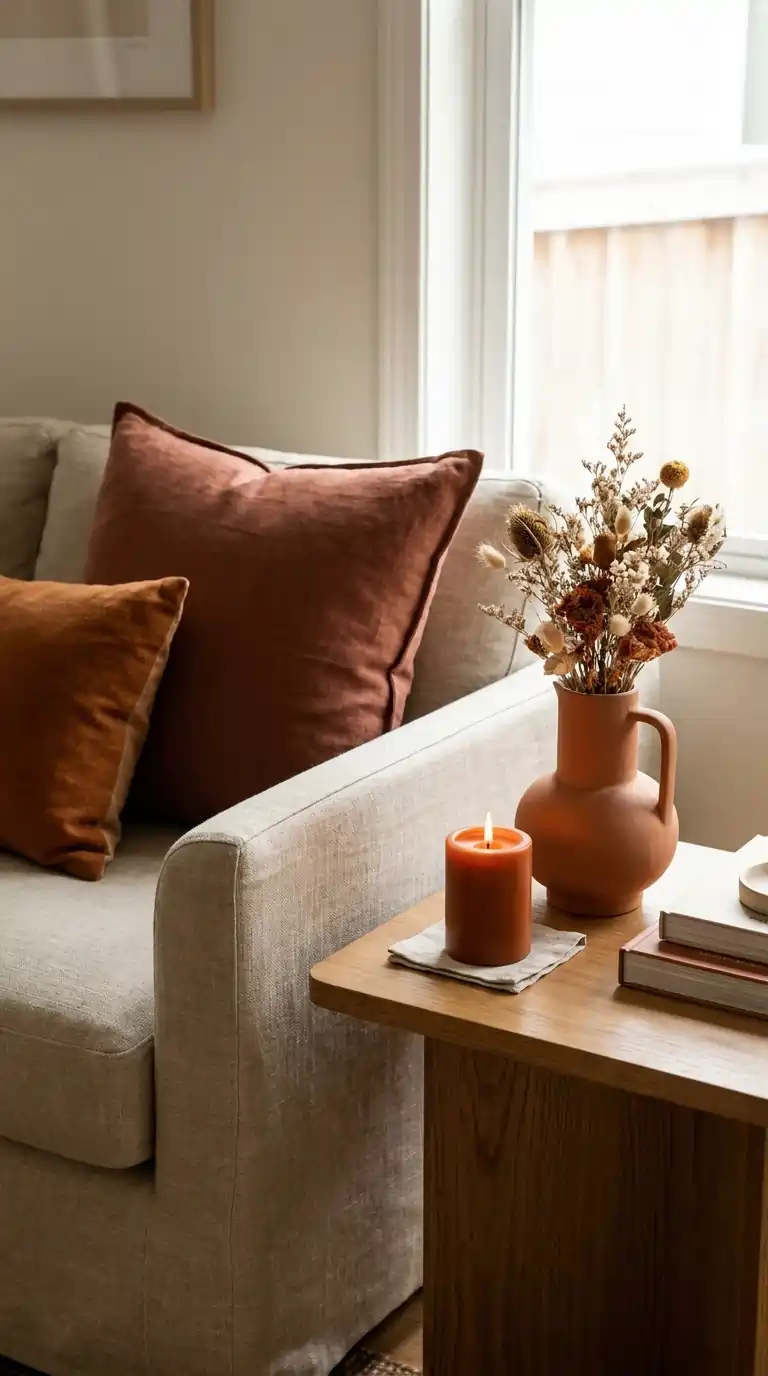
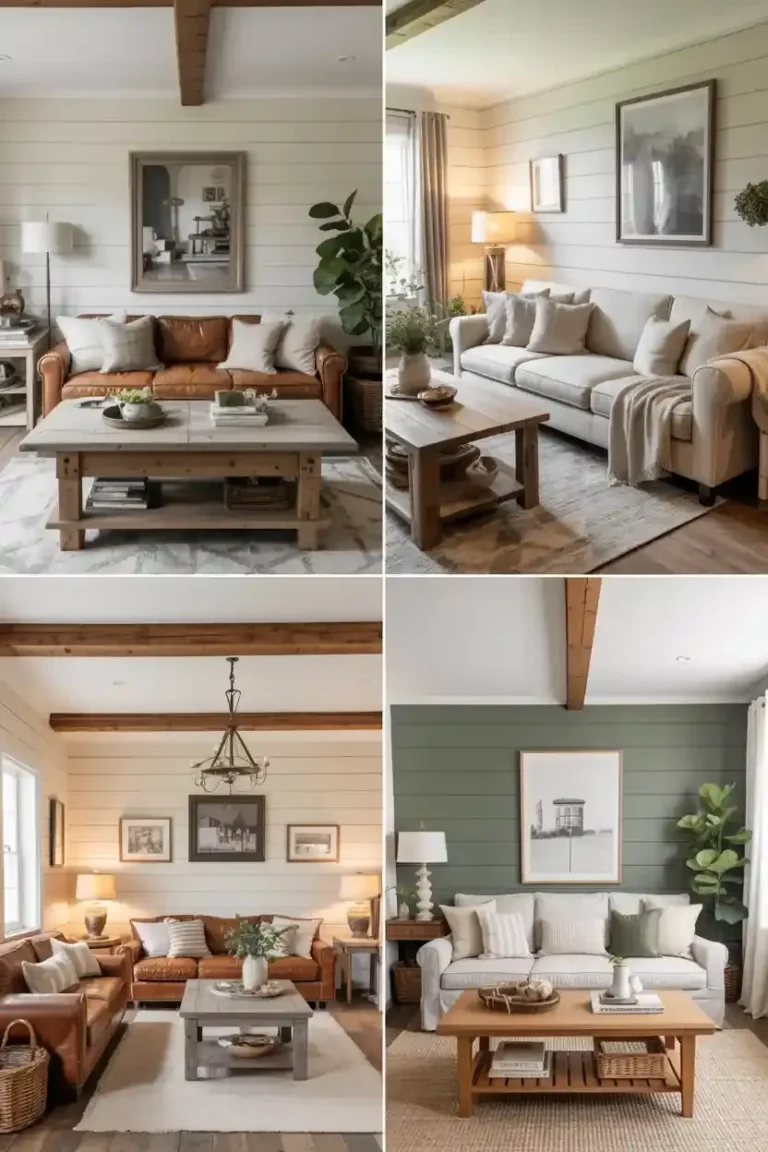
The fastest way to make your side table feel connected to the rest of the room is to repeat a color from a nearby anchor piece. If your sofa has a warm rust pillow, place a terracotta candle or small burnt orange vase on the table. If your rug has a sage green thread running through it, a green plant or moss-colored ceramic ties everything together. Color repetition creates visual flow. Your eye travels around the room and finds familiar colors in unexpected places. That is what makes a room feel designed rather than decorated.
12. Think About What the Table Looks Like at Night
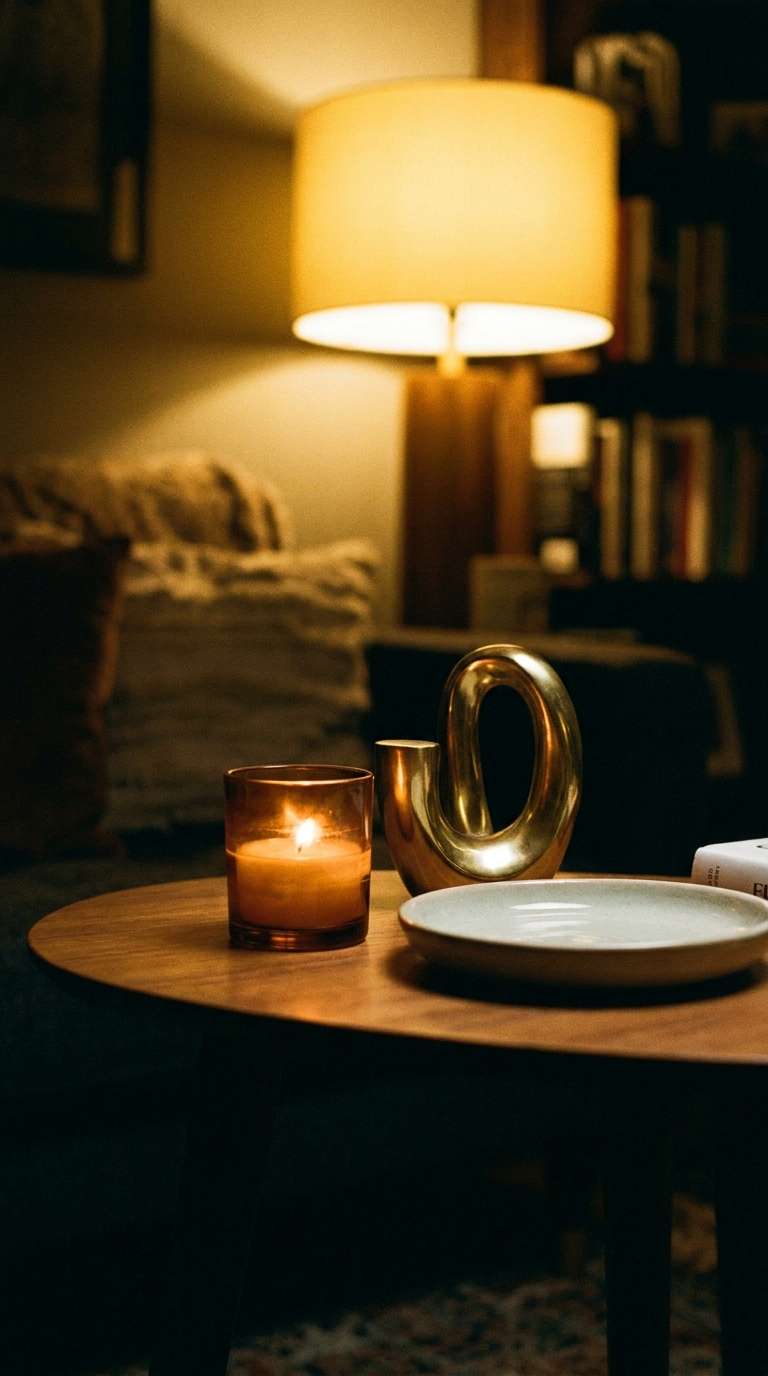
Daytime and nighttime styling are two different things, and most people only think about one. At night, when lamps are on, certain materials glow beautifully. Amber glass, polished brass, and light-colored ceramics all warm up under incandescent or warm LED bulbs. Dark objects can disappear into shadows. If you entertain often or spend evenings in your living room, style your table with nighttime ambiance in mind. A small tealight holder or battery-powered candle adds a soft flicker that changes the entire mood.
13. Coordinate With Your Larger Wall Decor
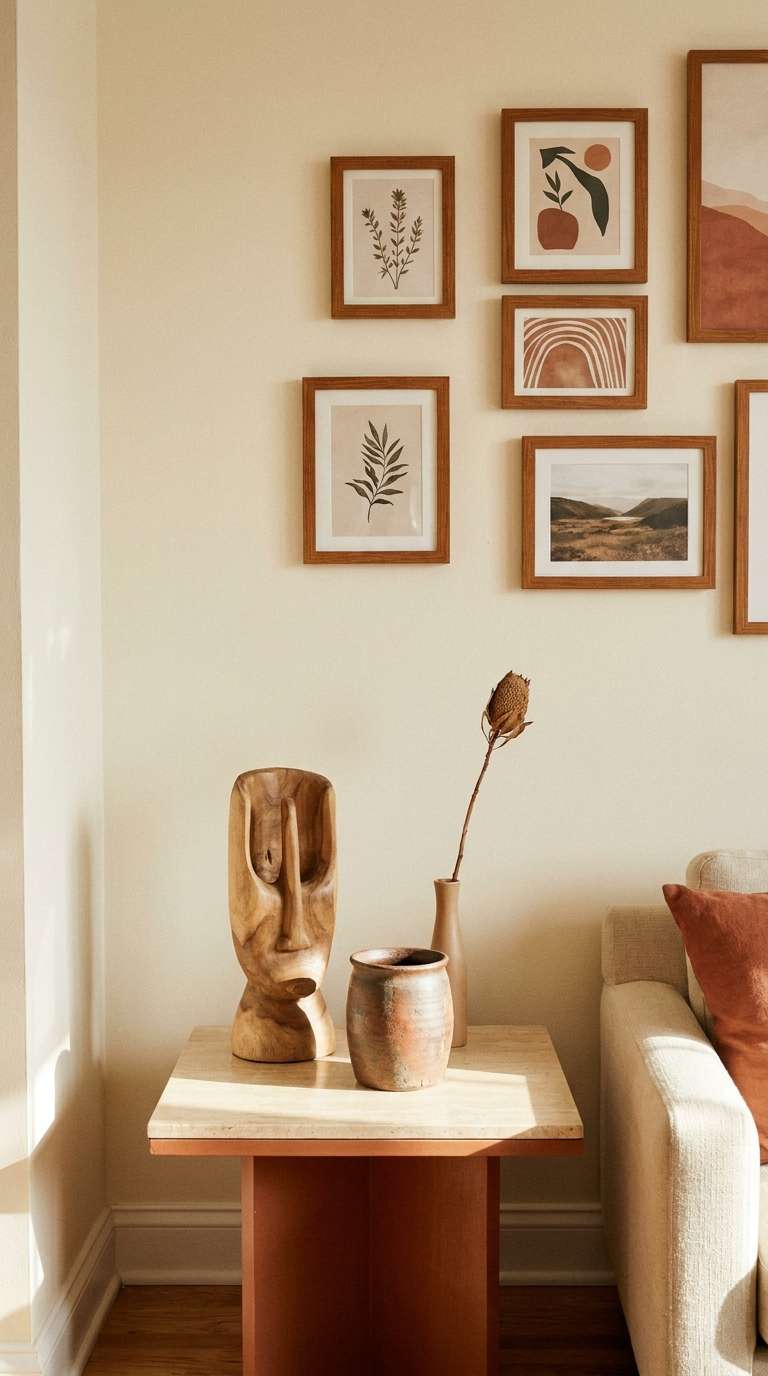
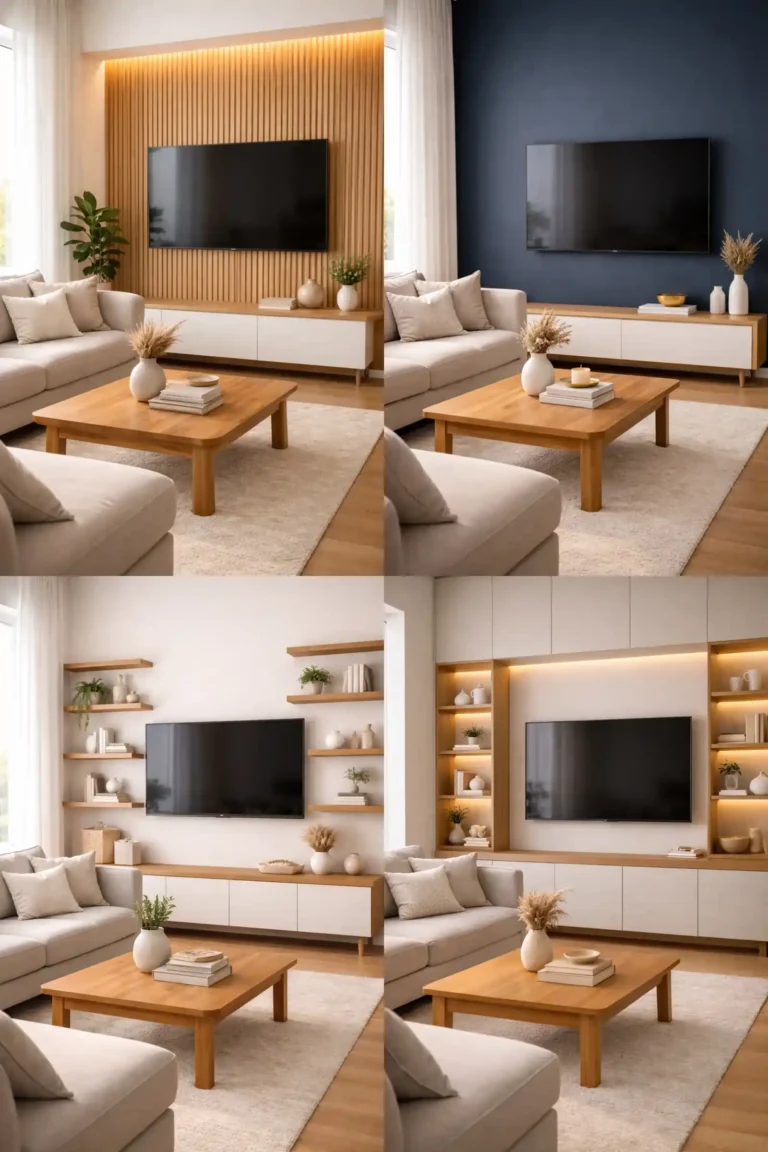
Your side table does not exist in isolation. It shares visual space with whatever is happening on the wall behind or above it. If you have been exploring living room wall decor ideas to elevate your space, carry some of those same tones down onto your table surface. A gallery wall with warm wood frames pairs beautifully with wooden or organic table objects below. A bold abstract canvas might inspire a sculptural or artistic piece on the table itself. When wall and table speak the same design language, the whole corner becomes a cohesive moment.
14. Edit Ruthlessly Before Calling It Done
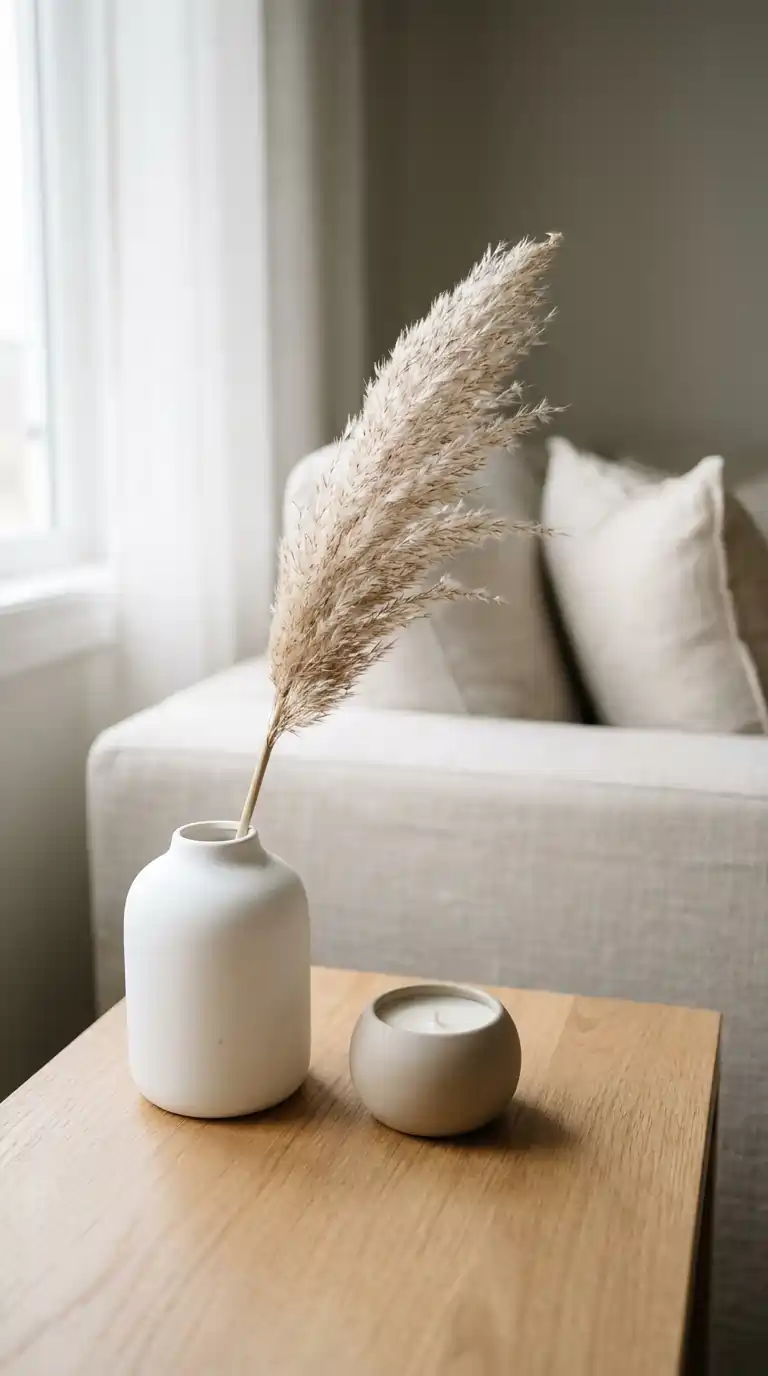
After you place everything, step back and look at the table from across the room. Then remove one thing. Almost every styled table looks better after editing. It is very easy to keep adding and very hard to know when to stop. If you find yourself justifying why each object needs to stay, that is a sign the table is too busy. Live with the arrangement for a day before making permanent decisions. You will notice what bothers you and what you genuinely love once the novelty of rearranging wears off. Simple and intentional always wins over crowded and effortful.
Key Takeaways
- Start With a Tray: It grounds everything on the surface and prevents objects from looking random.
- Use Odd Numbers: Groups of three create natural visual balance without rigid symmetry.
- Add One Living Element: A plant or fresh stem keeps a styled table from feeling sterile.
- Mix Textures Thoughtfully: Contrast between smooth and rough surfaces adds depth and visual interest.
- Repeat Colors From the Room: Pulling a hue from your sofa, rug, or wall creates seamless visual flow.
- Edit Before You Finish: Removing one object almost always improves the overall look.
- Think About Nighttime: Style your table for how it looks under lamp light, not just in daylight.
Conclusion
A beautifully styled side table is one of those quiet upgrades that genuinely shifts how a room feels. You do not notice it immediately, but you feel it. The room just seems more put together, more intentional, more like a place someone actually thought about. That is exactly what these layering tricks are designed to do.
You do not need to buy everything new. Start with what you already have. Pull a few objects from around your home, apply the rule of three, anchor it all with a tray, and see what happens. Even rooms with wall tiles living room features or bold architectural details can feel more complete once the smaller surfaces are thoughtfully styled.
Small changes, done with intention, always make the biggest difference.
What To Do Next
- Look at your current side table and count how many objects are on it right now.
- Find a tray you already own and use it to group your existing items.
- Remove anything that does not match the color palette or feel of the rest of the room.
- Add one living element, a small plant, fresh stems, or a convincing faux option.
- Step back, view it from across the room, and remove one more thing if it still feels busy.