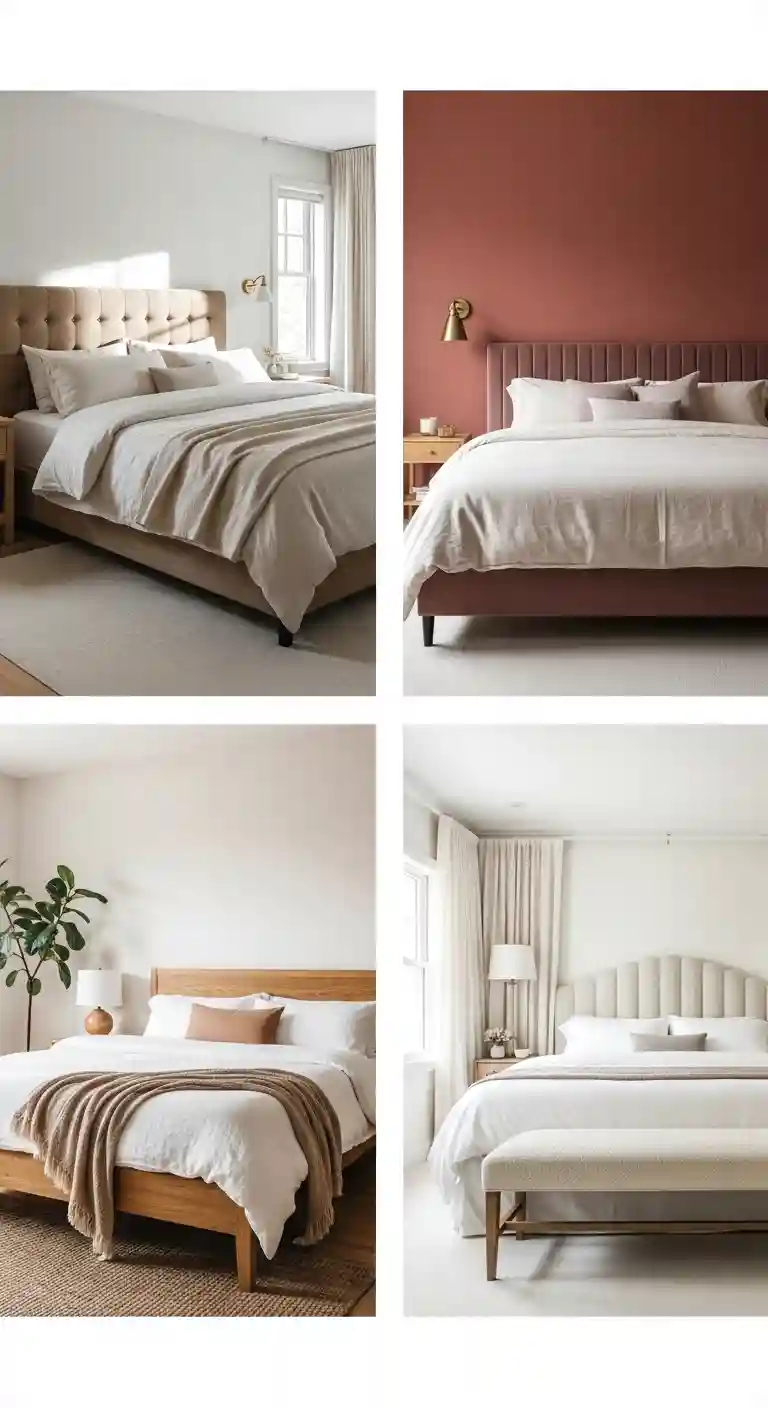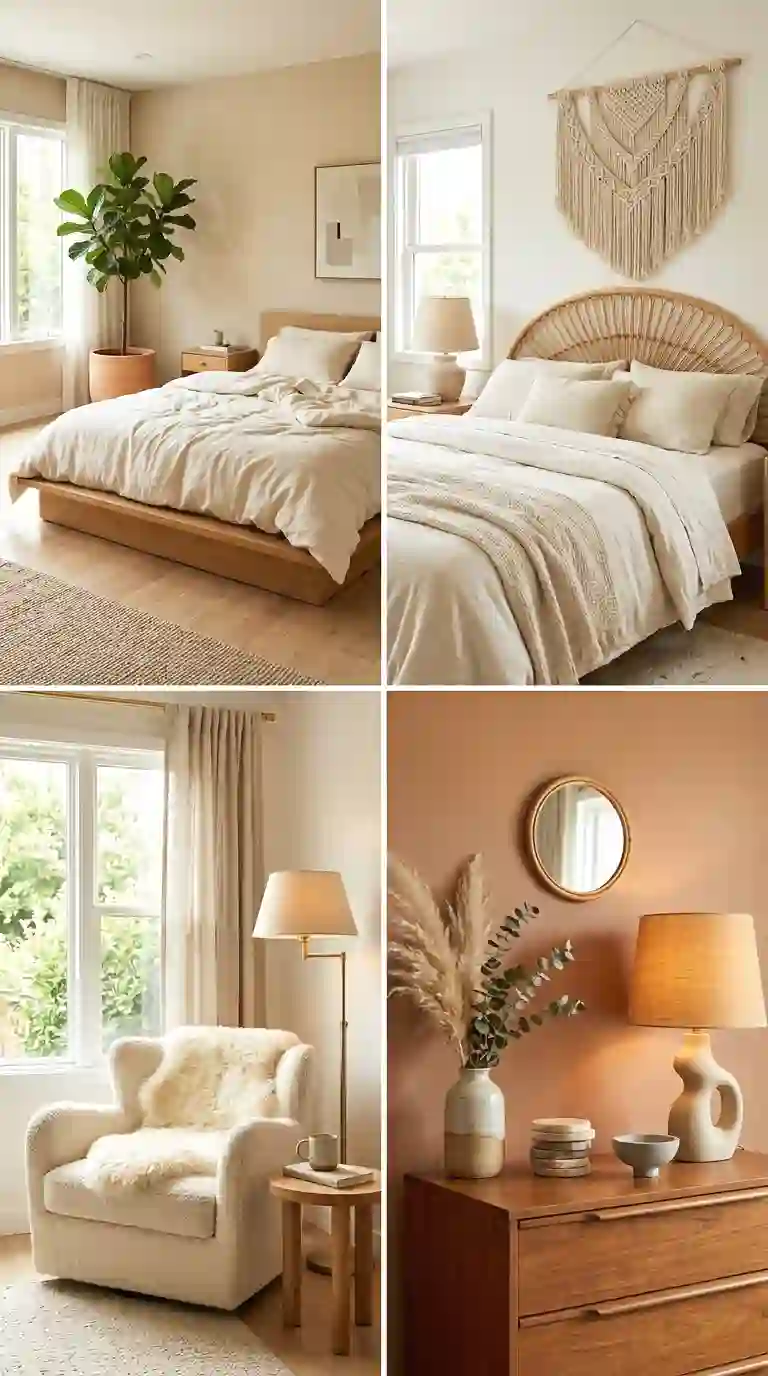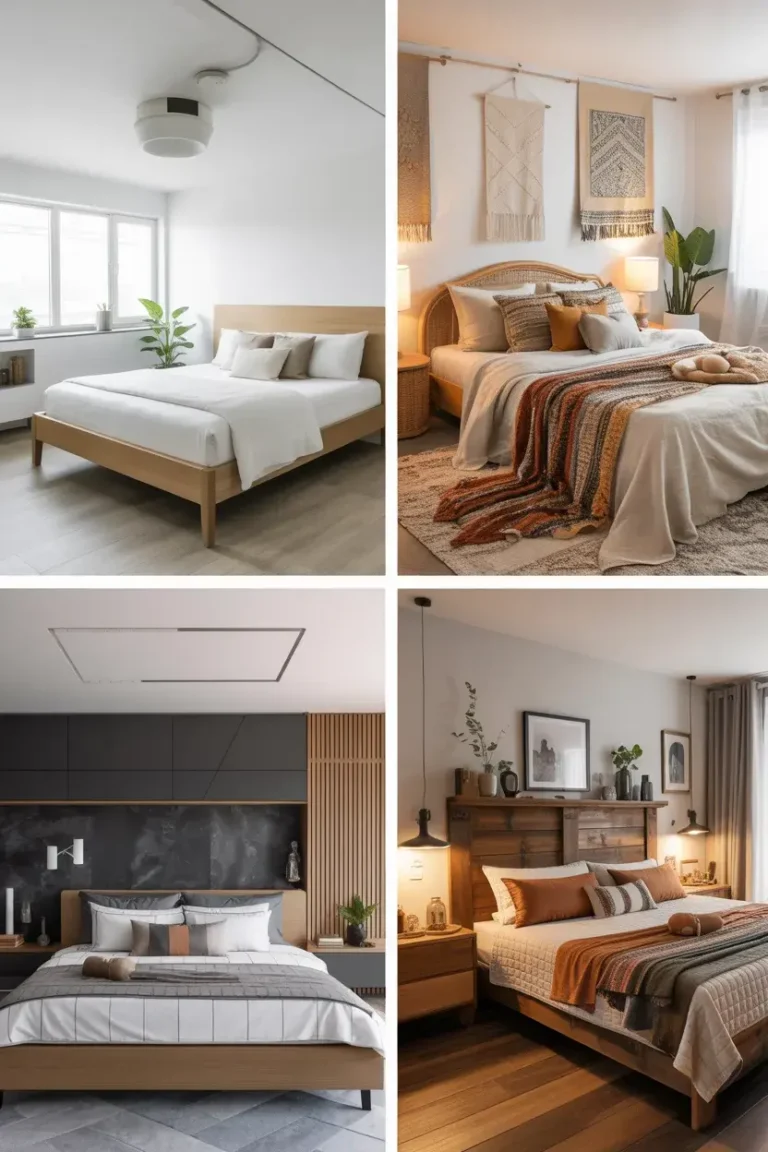
15 Beautiful Plants in Bedroom Ideas for a Cozy and Aesthetic Space
There is a quiet kind of magic that happens when greenery enters a room. The air feels fresher. The corners feel softer. Even a plain wall suddenly looks intentional. If your bedroom feels flat or unfinished, plants might be the missing piece you have been overlooking.
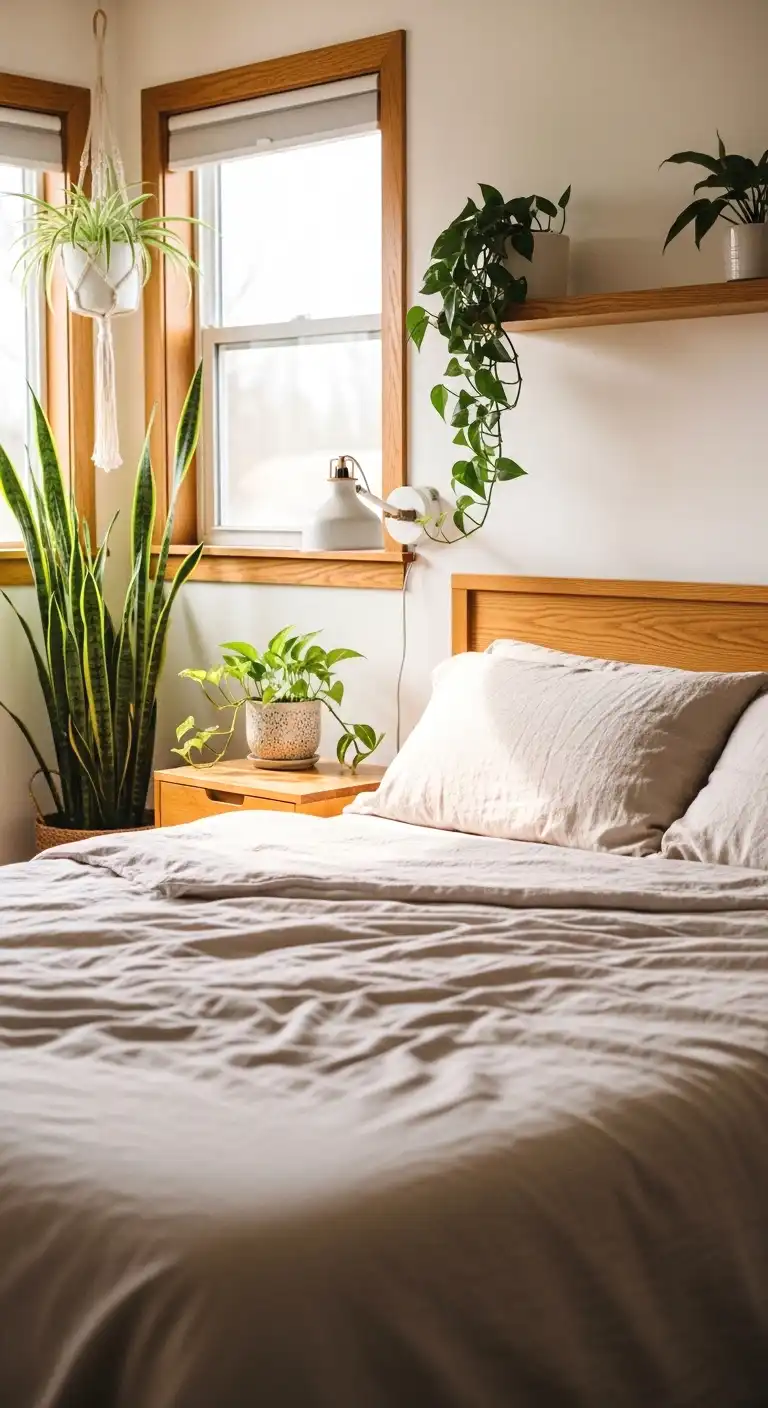
So many of us buy plants on impulse, then struggle to find them a home. They end up crowded on one windowsill or forgotten in a corner, slowly fading without much thought. Plants in bedroom spaces deserve better than that. This list will show you fifteen fresh ways to bring greenery into your room, so every plant has a place and your space finally feels alive and inviting.
1. Place a Tall Plant Beside Your Bed for a Soft Focal Point
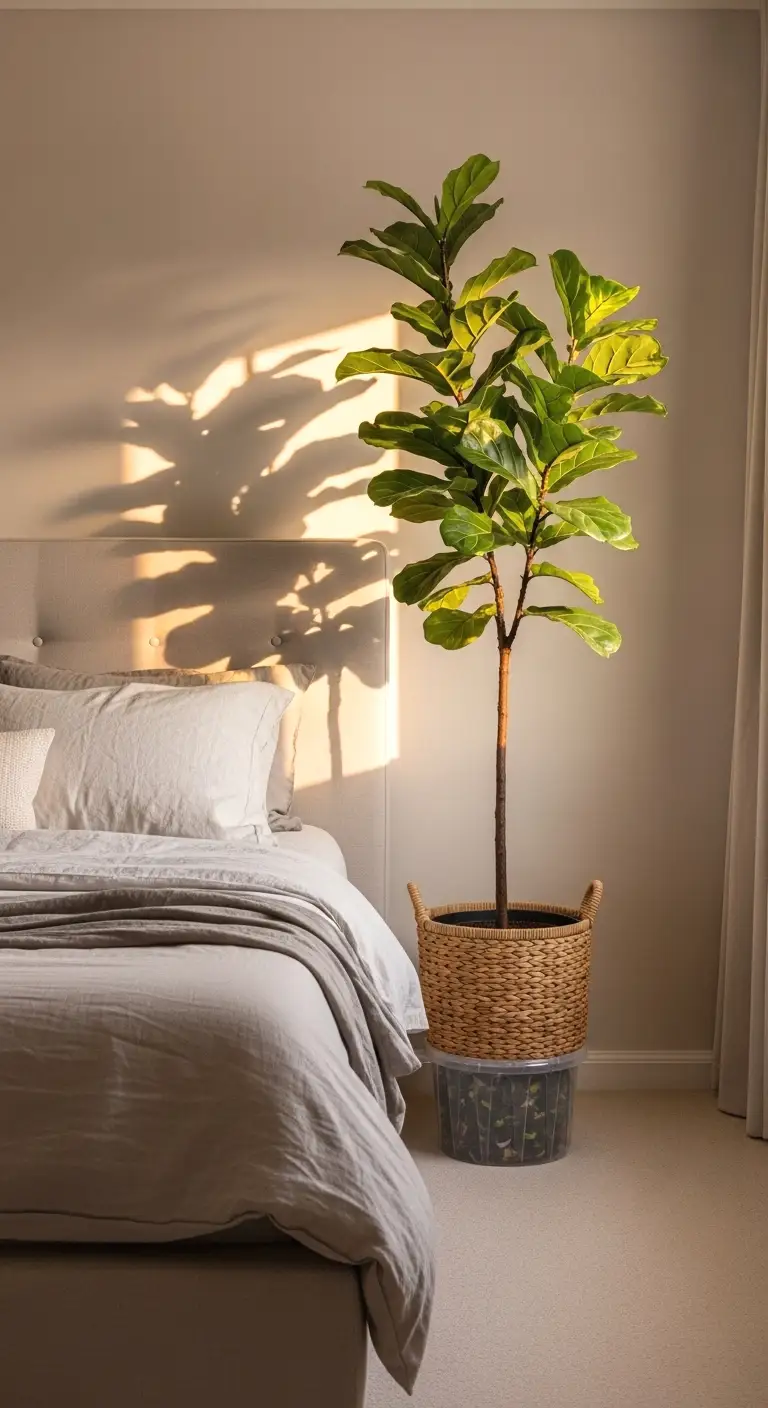
A tall plant like a fiddle leaf fig or a snake plant beside your bed creates a natural focal point. It softens the hard edges of a nightstand or headboard. Choose a plant that reaches shoulder height when you are sitting up in bed. This adds a sense of scale and life to the room without overwhelming the space. Place it where morning light can reach it if possible. Plants in bedroom corners like this one work best when the pot matches your existing decor tones, keeping the whole look cohesive and calm. A woven basket around the pot adds texture and hides any plastic nursery containers underneath. If your bed sits against a wall, this tall plant also helps balance the visual weight of the headboard on the opposite side.
2. Create a Floating Shelf Garden Above Your Headboard
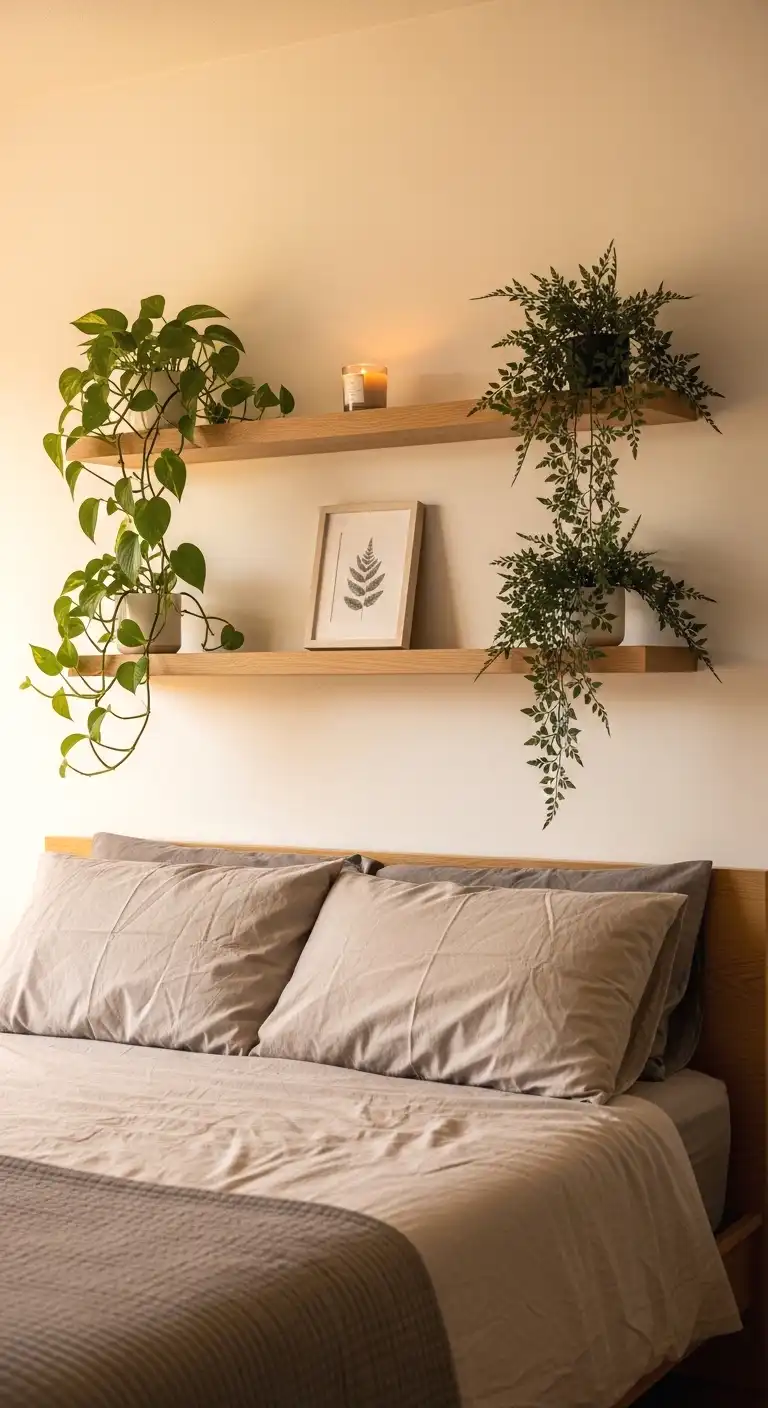
Floating shelves above the bed are perfect for small trailing plants. Pothos, string of pearls, or small ferns drape beautifully over the edge. Stagger two or three shelves at slightly different heights for visual interest. This turns an empty wall into a living display without taking up any floor space. Keep watering simple by choosing plants with similar care needs so you are not juggling different schedules. This idea works especially well in smaller bedrooms where every inch of floor space matters. Add a few non plant items between the greenery, like a small candle or framed print, so the shelf feels balanced rather than purely botanical. Just be mindful of trailing vines near where you sleep, keeping the lowest shelf far enough away that leaves do not brush your face at night.
3. Style a Plant Corner With Layered Heights
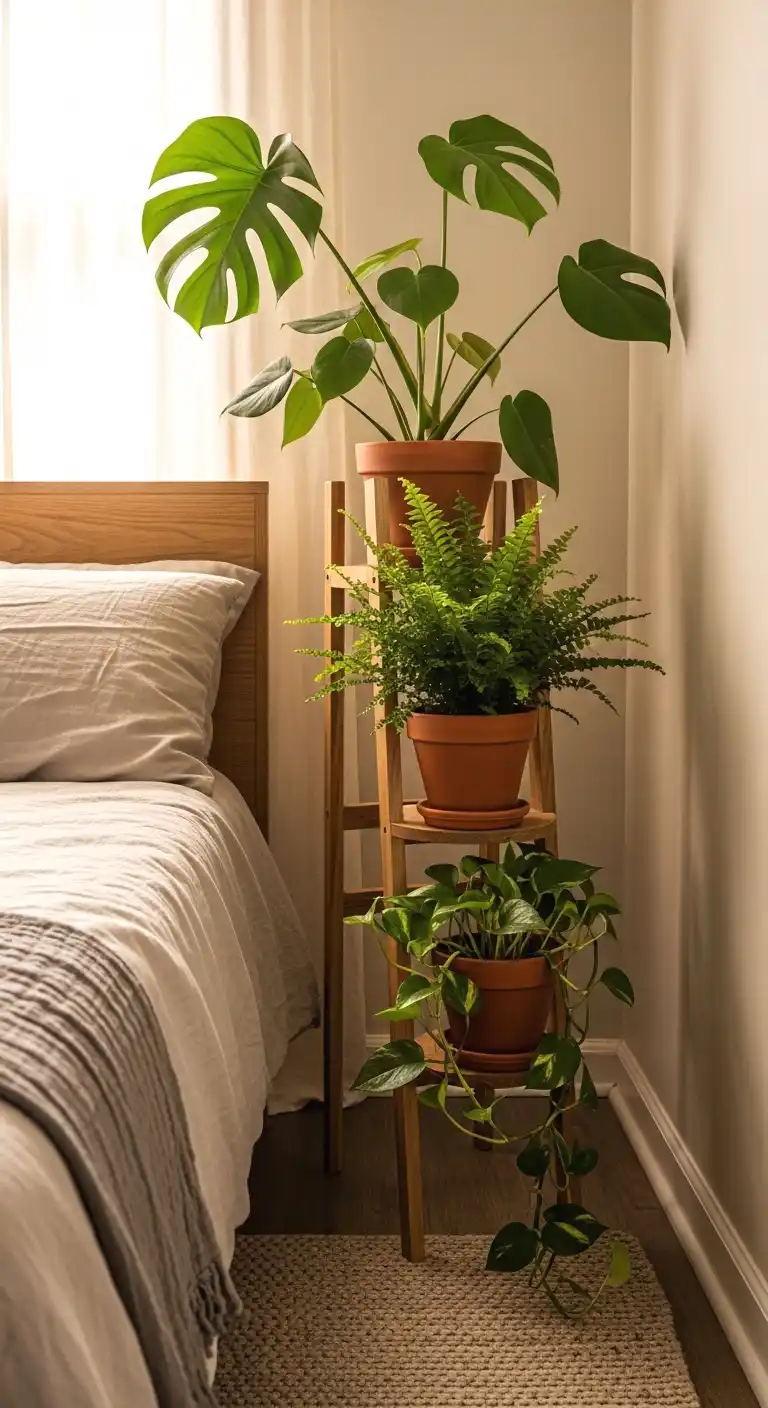
Pick one empty corner and turn it into a small plant collection. Use a plant stand for height variation, placing a tall plant at the back, a medium one in the middle, and a trailing variety in front. This layered look feels intentional rather than cluttered. Mix leaf shapes and textures for contrast, like the broad leaves of a monstera against the thin fronds of a fern. A plant corner like this brings real personality to plants in bedroom styling, especially in rooms that feel a bit too plain or symmetrical. Group pots in coordinating colors so the corner reads as one cohesive vignette rather than a random collection. Adding a small rug beneath the plant stand also helps anchor the corner and makes it feel like a deliberate part of the room.
4. Add Small Pots to Your Nightstand for an Easy Refresh
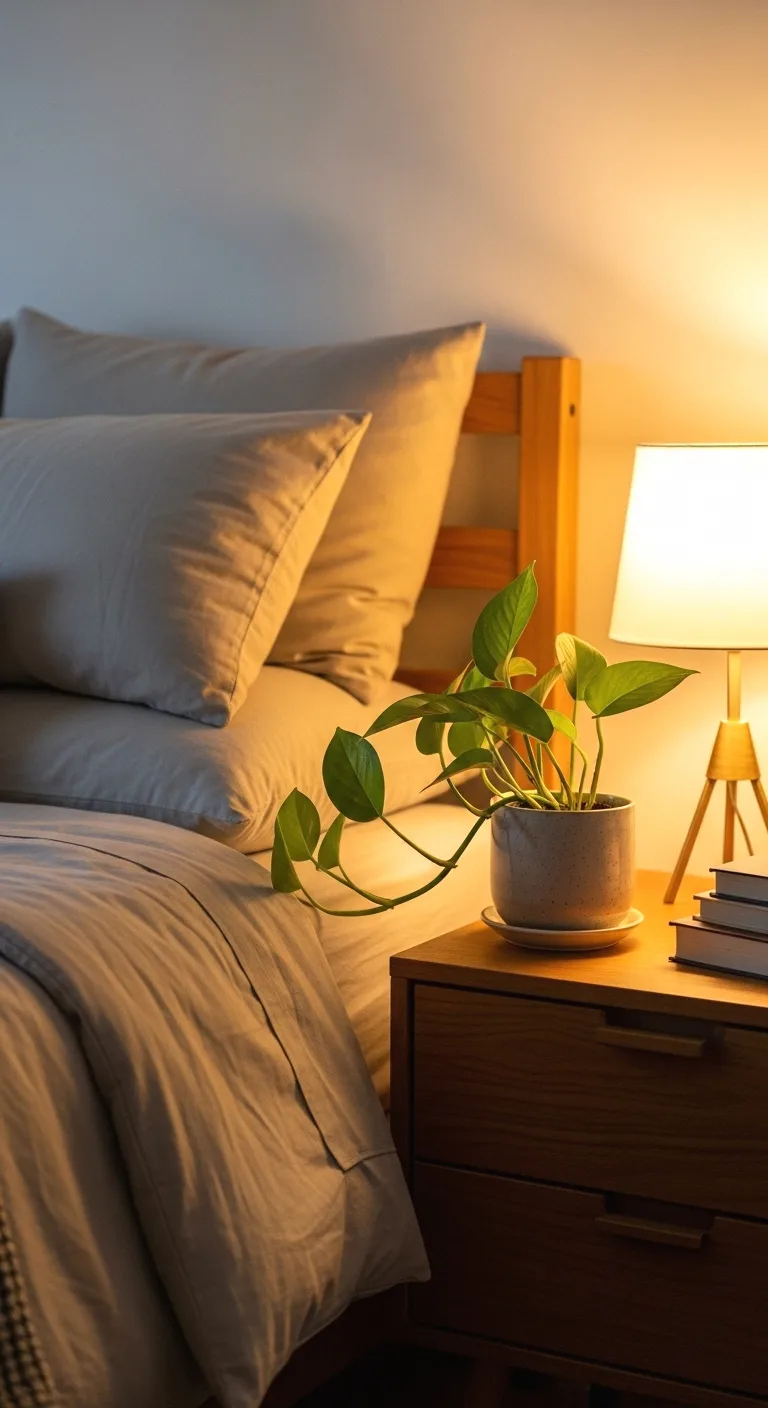
You do not need a big plant to make a difference. A small pothos or succulent on your nightstand adds a touch of green right where you will see it every morning and night. Choose a pot that complements your lamp or other nightstand decor. This is one of the easiest ways to start if you are new to indoor plants, since small pots are easier to care for and fit even the tiniest surfaces. Rotate the pot occasionally so the plant grows evenly toward the light. A small saucer underneath protects wooden surfaces from water marks over time.
5. Hang Plants From the Ceiling to Free Up Surface Space
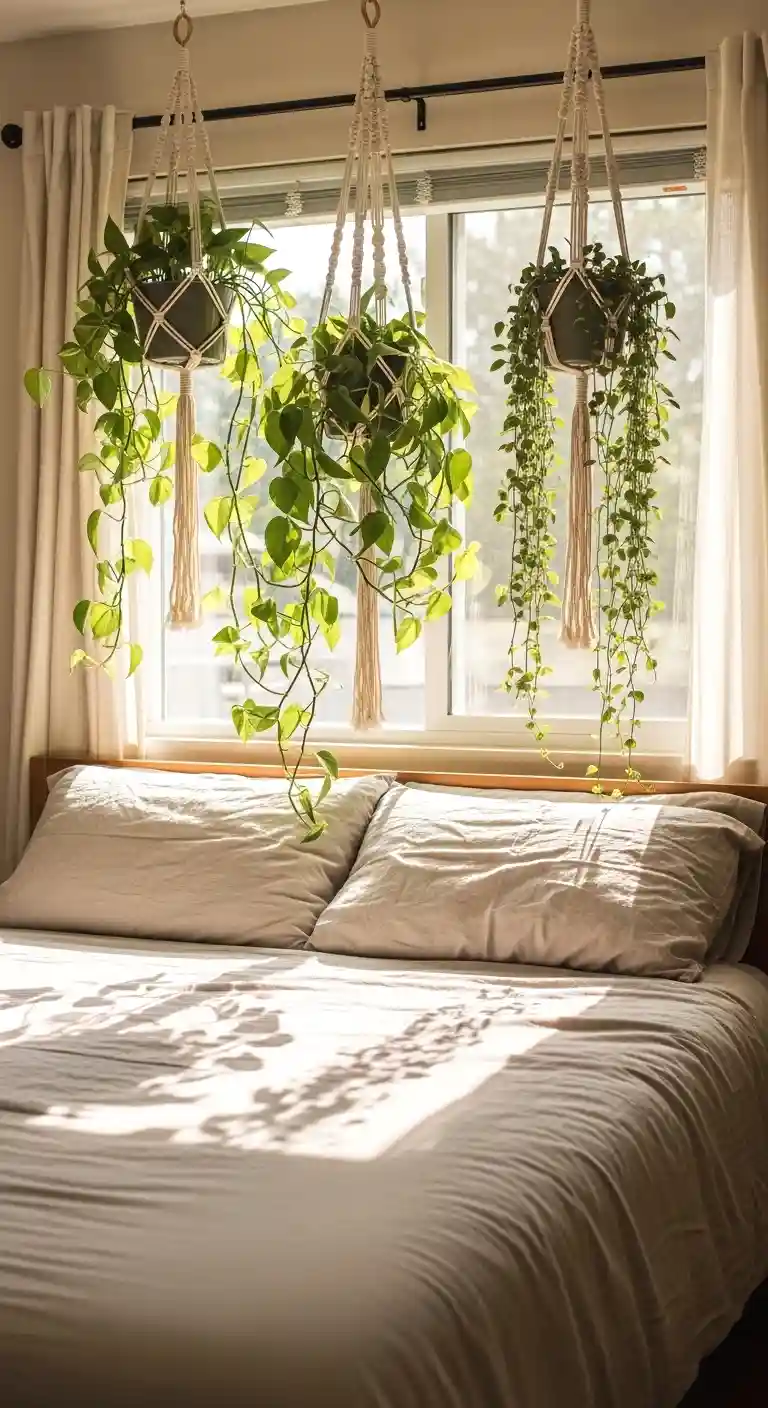
If your surfaces are already full, look up. Hanging planters with trailing plants like pothos or string of hearts add greenery without taking up any table or floor space. Hang them near a window where they can get filtered light, and let the vines grow long over time. A cluster of two or three hanging plants at different lengths creates a soft, layered canopy effect. This works particularly well in small bedrooms, and pairs nicely with the kind of bedroom layout ideas that maximize vertical space. Use macrame hangers in neutral tones to add texture without competing with the greenery itself. Make sure the hooks you use are rated for the weight of a full, watered pot, since trailing plants get heavier as they grow.
6. Use a Large Plant to Fill an Awkward Empty Corner
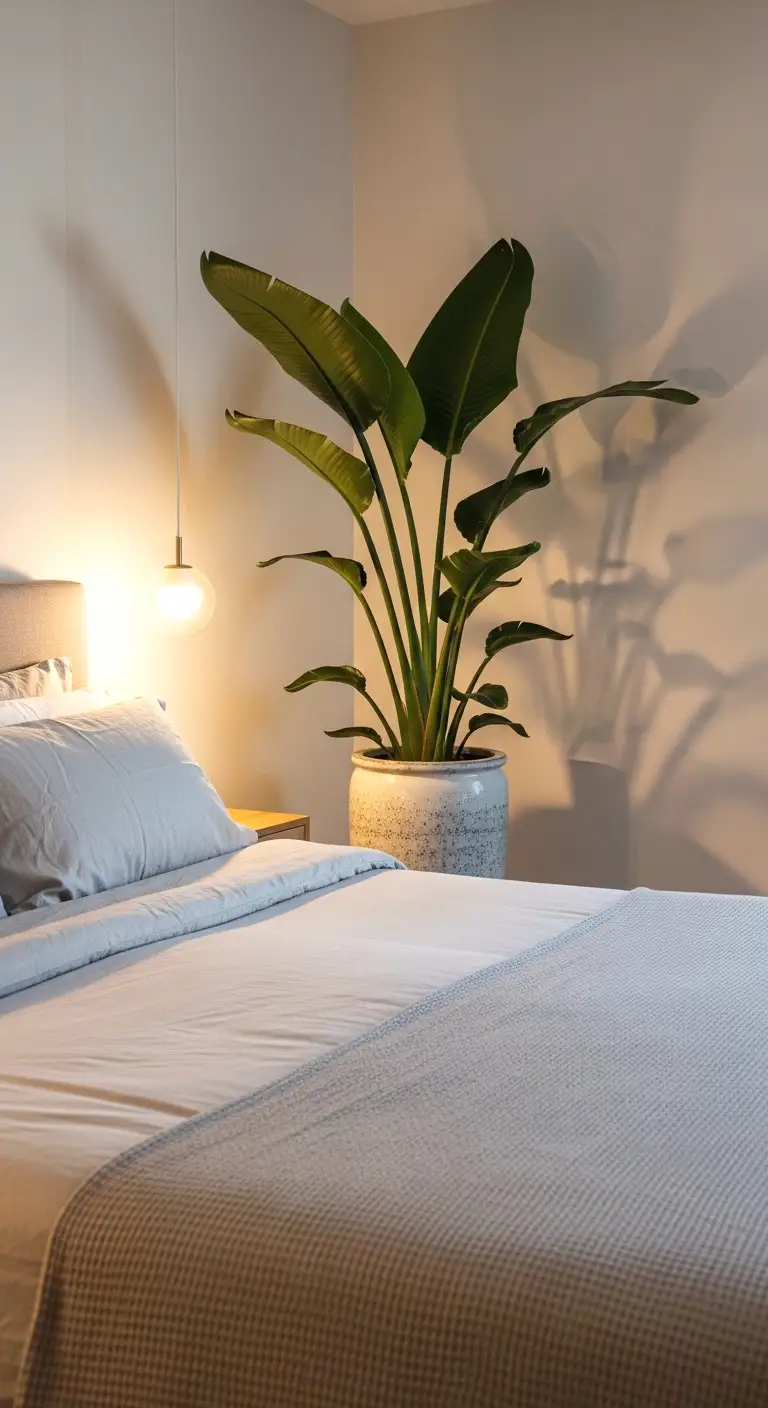
Every bedroom has that one corner that never quite works. A large plant like a rubber plant or a bird of paradise can fill that space beautifully. Choose a pot with some height so the plant feels proportional to the room. This is a simple fix that instantly makes an awkward layout feel more balanced. If natural light is limited in that corner, choose a variety known for tolerating lower light, like a ZZ plant or a cast iron plant, so it still thrives there. Give the plant a little room to breathe rather than pushing it directly against the wall, since airflow helps prevent issues with leaves. Over time, larger plants like these can also become a natural divider between two areas of a multipurpose bedroom.
7. Mix Faux and Real Plants for a Foolproof Look
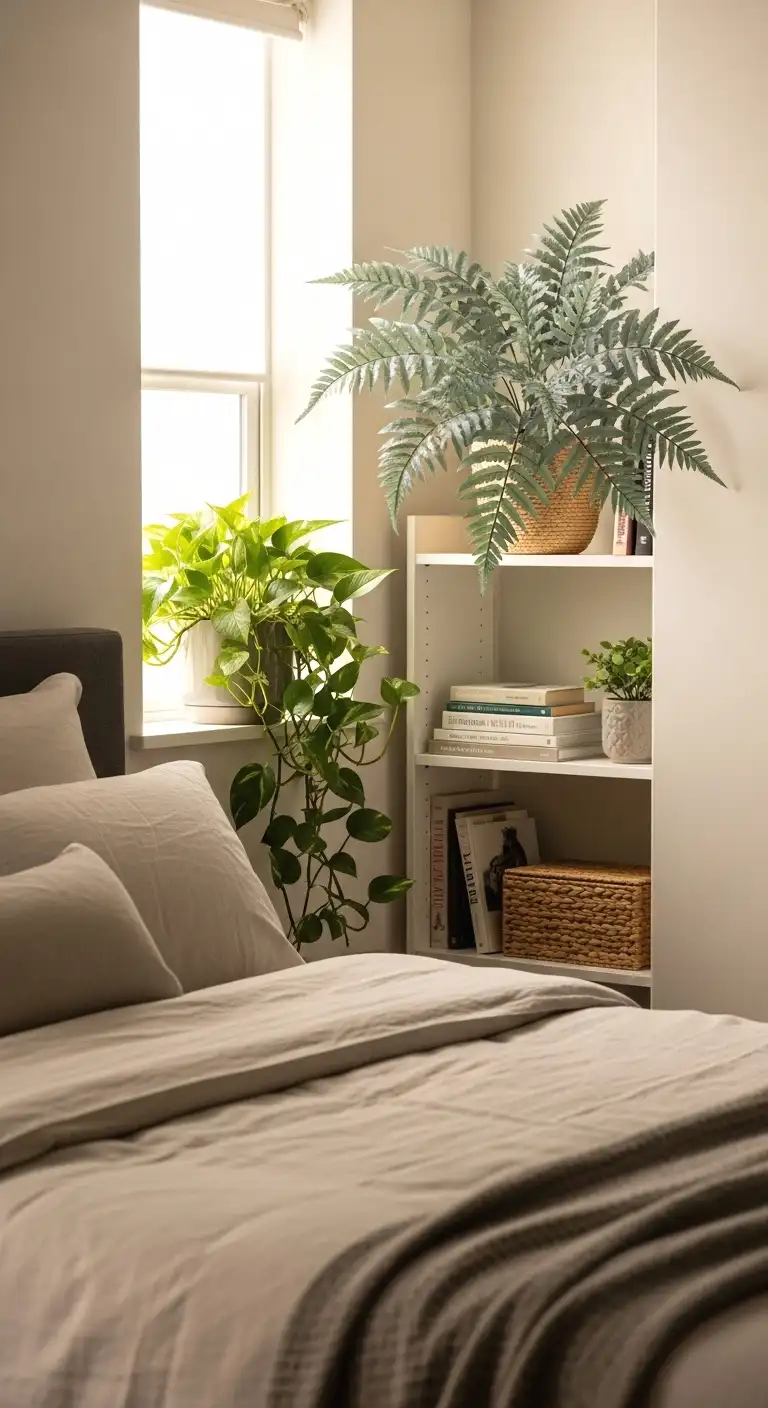
There is no shame in faux plants, especially in spots with little to no natural light. High quality faux plants placed alongside real ones can fill out a display without the stress of keeping everything alive. Use faux plants on higher shelves or darker corners, and save your real plants for spots with good light. This mix keeps your plants in bedroom display looking lush all year round, even during seasons when real plants might be dormant or struggling a bit. Dust faux leaves occasionally with a soft cloth so they keep that fresh, realistic look up close. Look for faux varieties with matte rather than glossy leaves, since matte finishes tend to look far more believable from a distance.
8. Frame Your Window With Plants on Either Side
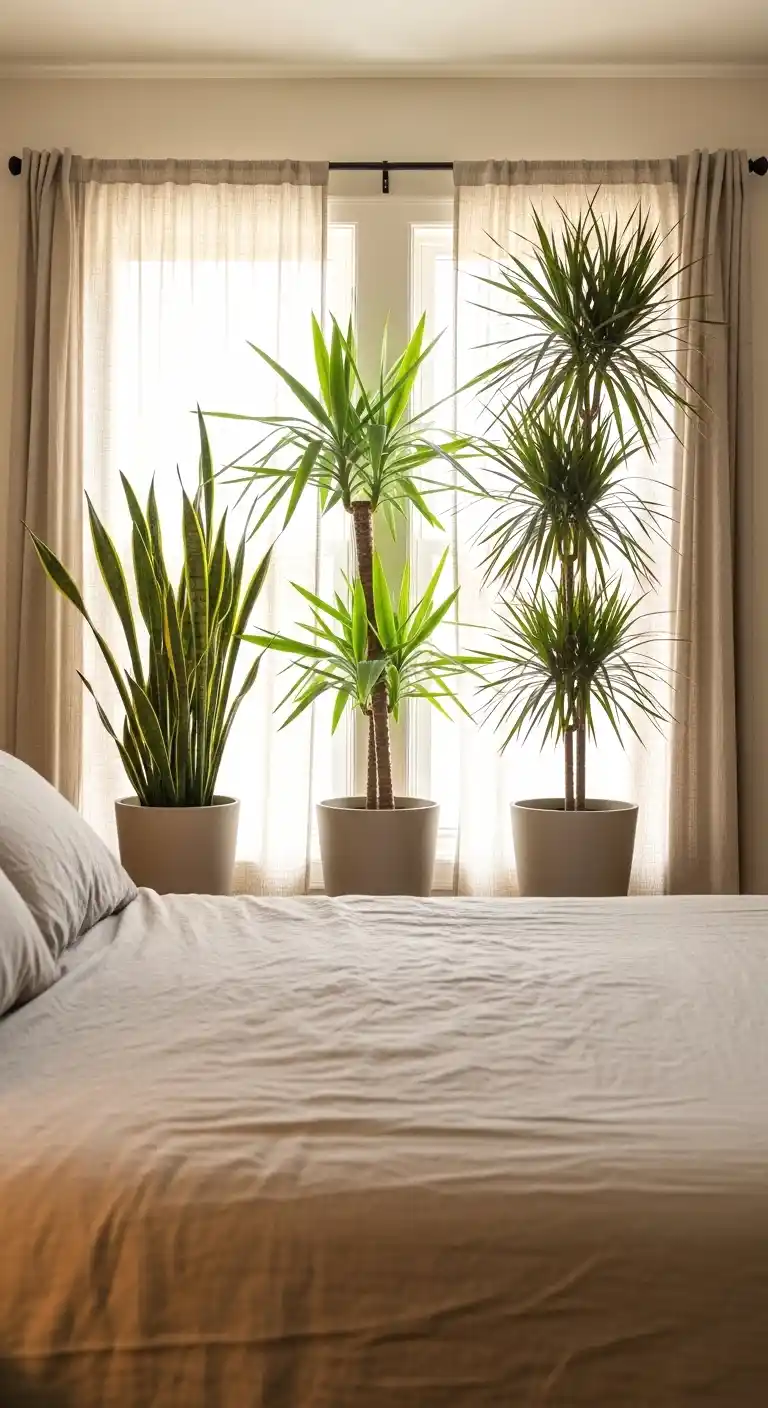
If you have a window with some open floor space on either side, place a plant on each side to frame it. Choose similar plants or pots for symmetry, or mix it up for a more relaxed feel. This draws attention to the window and creates a soft, green frame around your view. It also softens harsh light during the day, acting almost like a living curtain. Plants placed this way thrive since window light is usually the best light source in a bedroom. Taller varieties on either side also help balance a window that feels narrow or oddly placed within the wall.
9. Add a Trailing Plant to Your Bookshelf
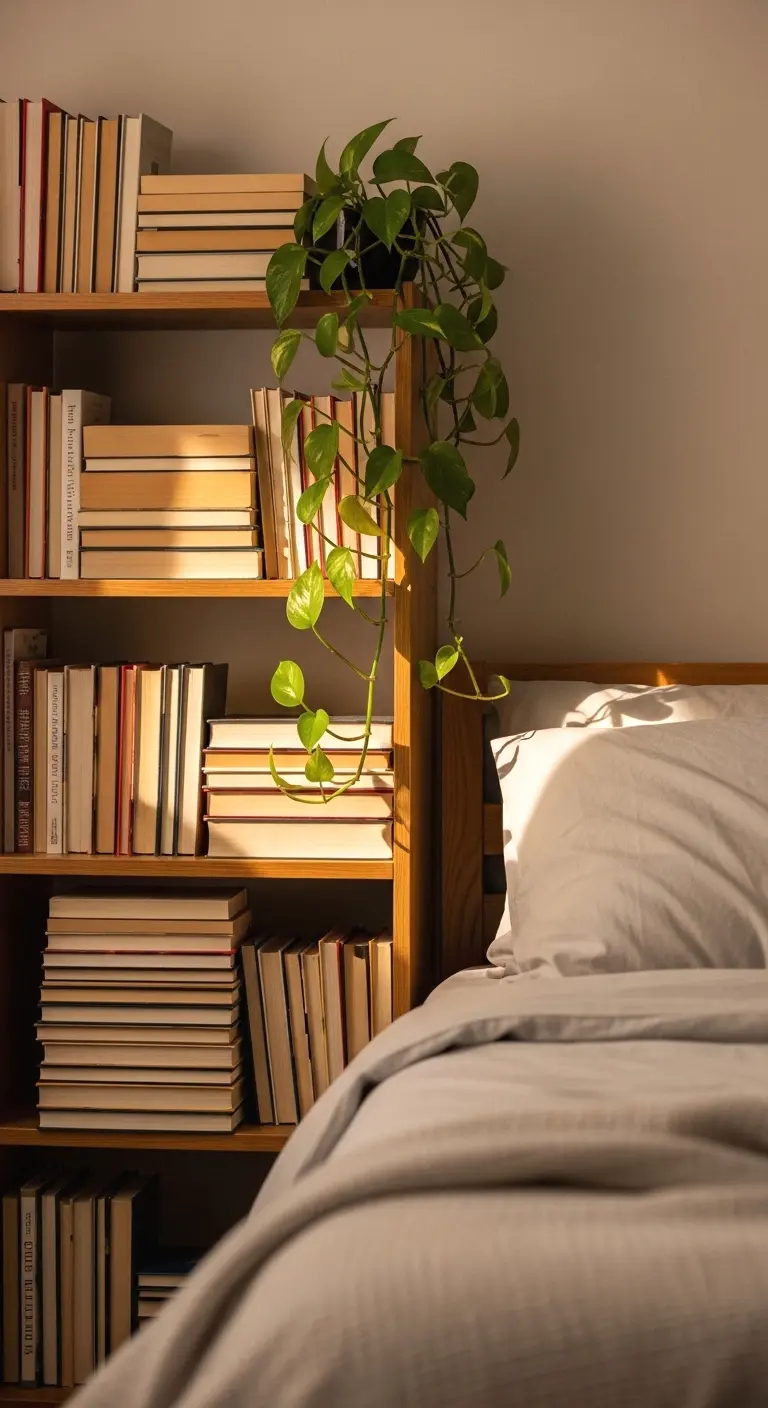
Bookshelves are not just for books. Tuck a small trailing plant like a pothos or philodendron between stacks of books and let its vines spill over the edges. This breaks up the visual weight of a fully packed shelf and adds a natural, organic element. Choose a variety that tolerates lower light if your bookshelf is not near a window. Over time, the vines will grow longer, creating a beautifully wild, jungle like effect that feels collected rather than decorated. Trim occasionally to keep the vines from tangling and to encourage fuller, bushier growth near the pot. If your shelf has multiple tiers, place a plant on each level so the greenery feels woven throughout rather than isolated to one spot.
10. Group Small Plants on a Tray for an Easy Display
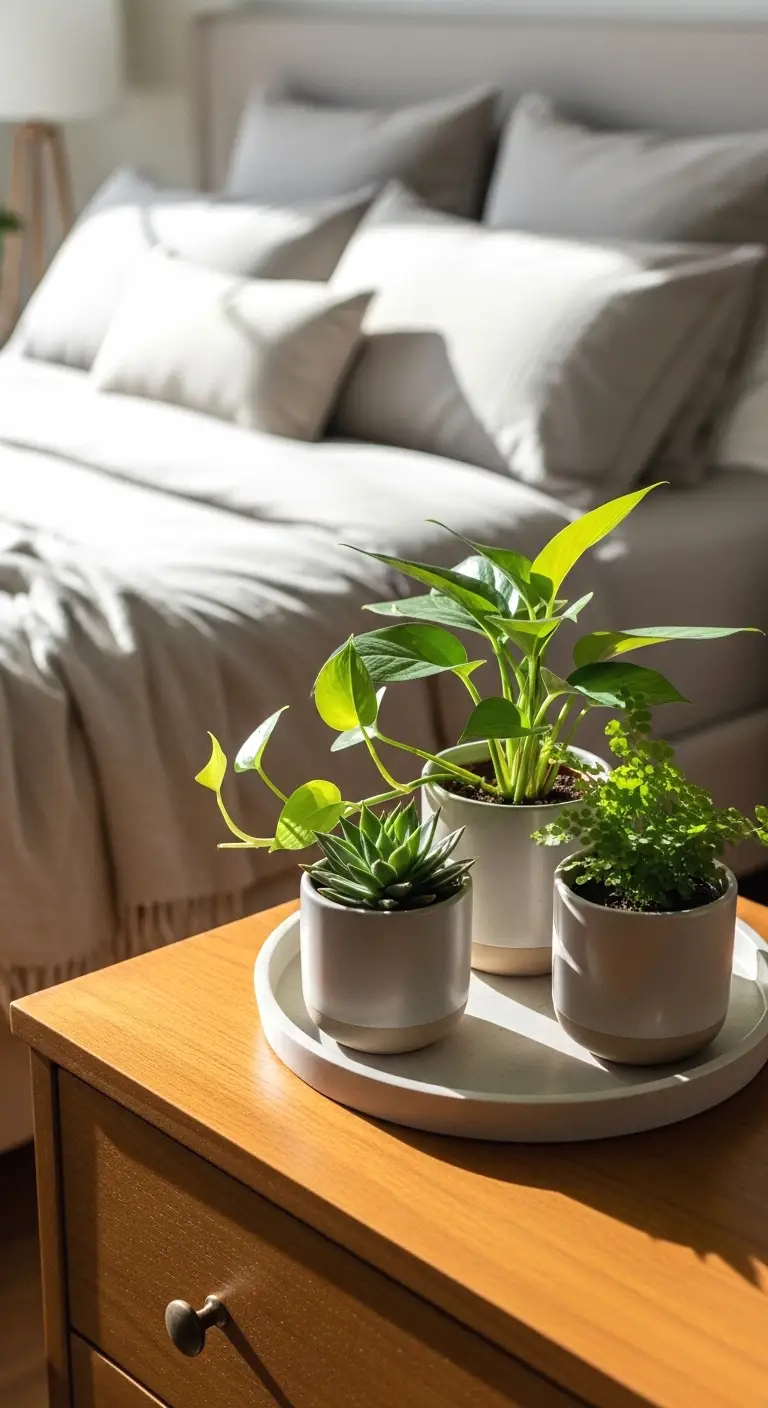
A simple wooden or ceramic tray can turn a cluster of small plants into a cohesive display. Group three or four small pots together on a dresser or windowsill tray. This makes watering easier since you can move the whole tray to a sink if needed. It also looks more polished than scattered individual pots. Mix textures and leaf shapes within the group for interest, choosing plants that all enjoy similar light and humidity levels for easier care. A tray with a slight lip also catches any drips, keeping your furniture protected without extra effort.
11. Choose a Statement Plant for Your Reading Nook
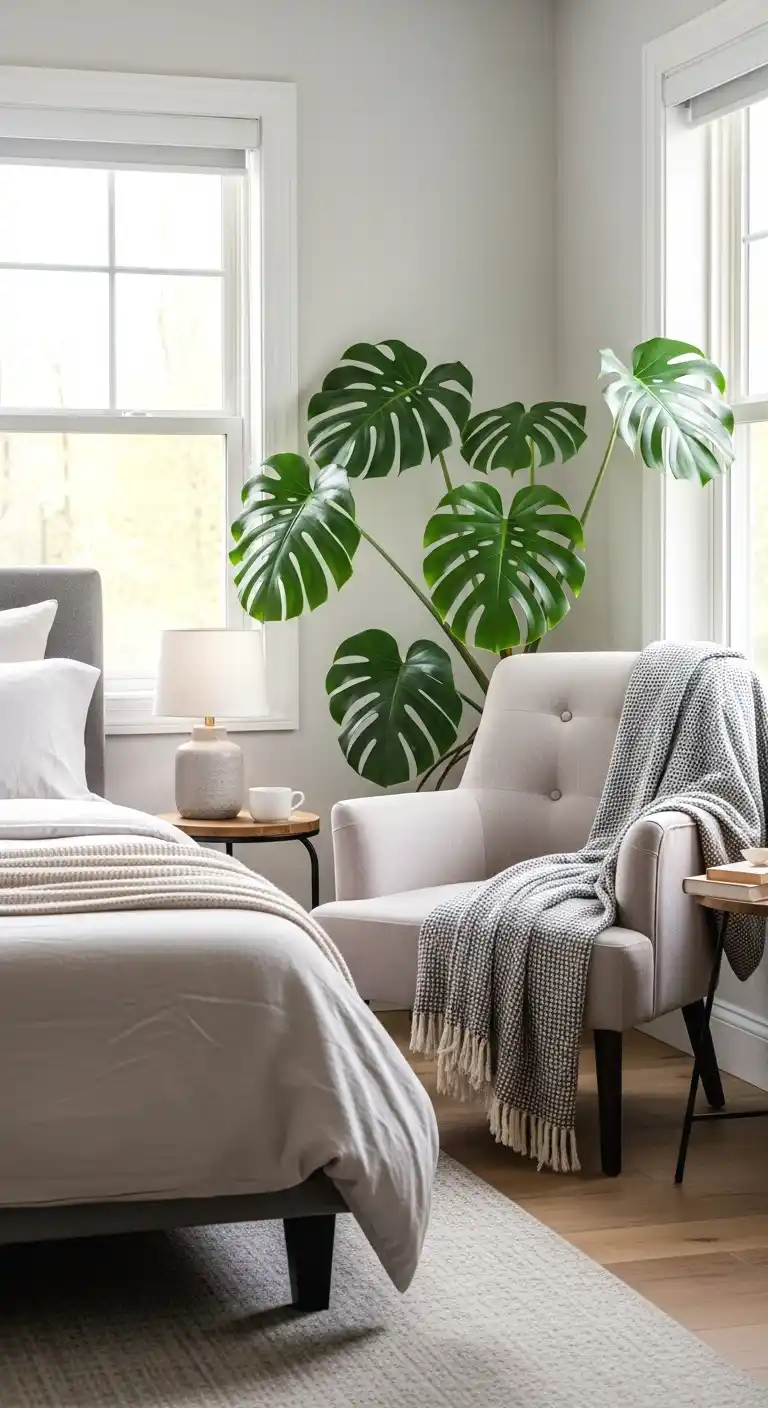
If your bedroom has a cozy chair or reading corner, a statement plant nearby completes the look. A large leafy plant beside a comfortable chair creates a calm, almost outdoor feeling. Choose a variety with broad, dramatic leaves like a monstera or banana plant for maximum impact. This pairing works beautifully in bedrooms designed around relaxation, and ties in well with broader bedroom ideas that focus on creating a personal retreat within your home. Position the plant slightly behind the chair so its leaves frame you gently without blocking your reading light.
12. Use Air Purifying Plants Near Your Bed for Better Sleep
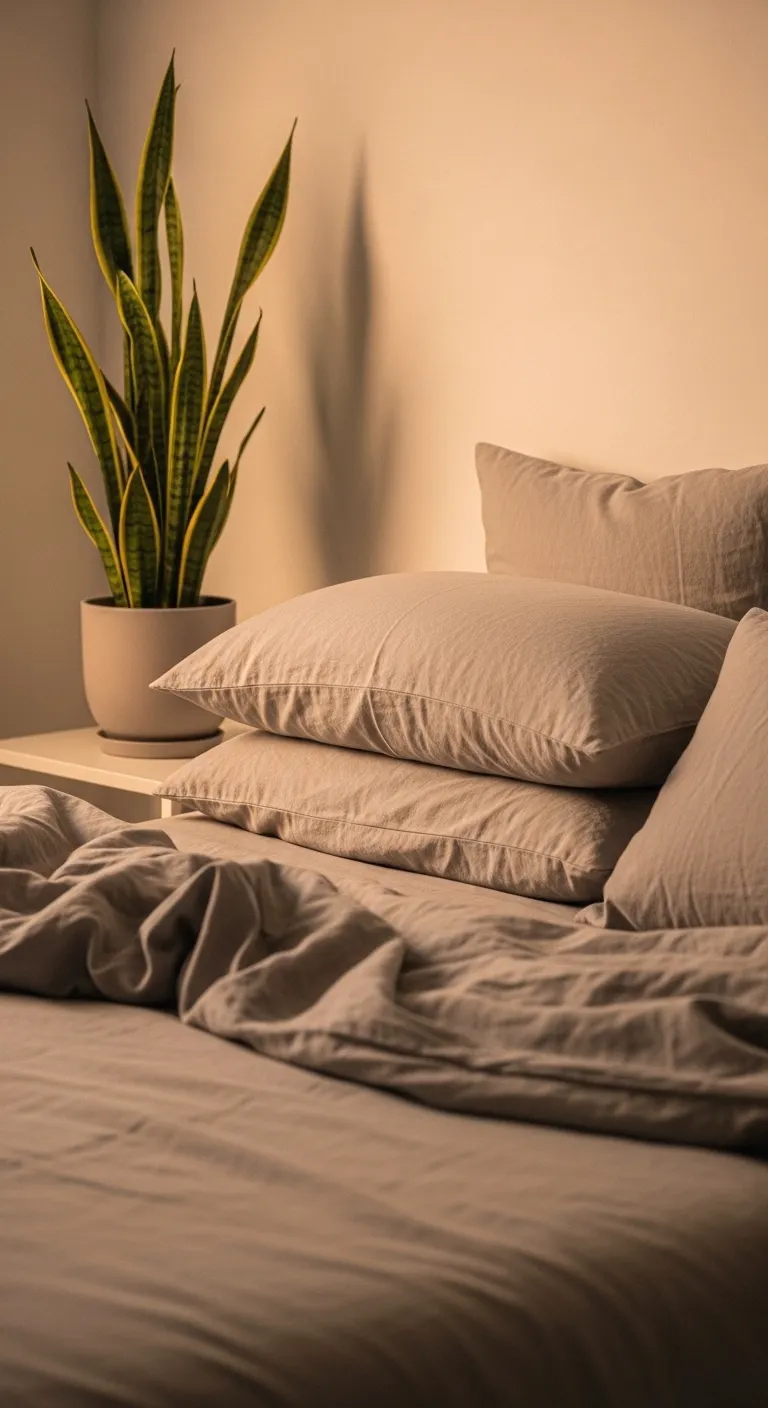
Some plants are known for helping improve air quality, which makes them a thoughtful choice for bedrooms. Snake plants, peace lilies, and spider plants are popular options that are also easy to care for. Place one on a nightstand or a small shelf near your bed. Beyond any air quality benefits, having a plant nearby simply makes the space feel calmer and more personal. Choose a pot in a soft, neutral tone so it blends seamlessly with your existing bedding and furniture. These varieties also tend to forgive an occasional missed watering, which makes them a reassuring choice for busy weeks. Many of them also do well in slightly cooler bedroom temperatures, so they will not struggle if you like sleeping with a window cracked open.
13. Create a Mini Plant Wall With Wall Mounted Planters
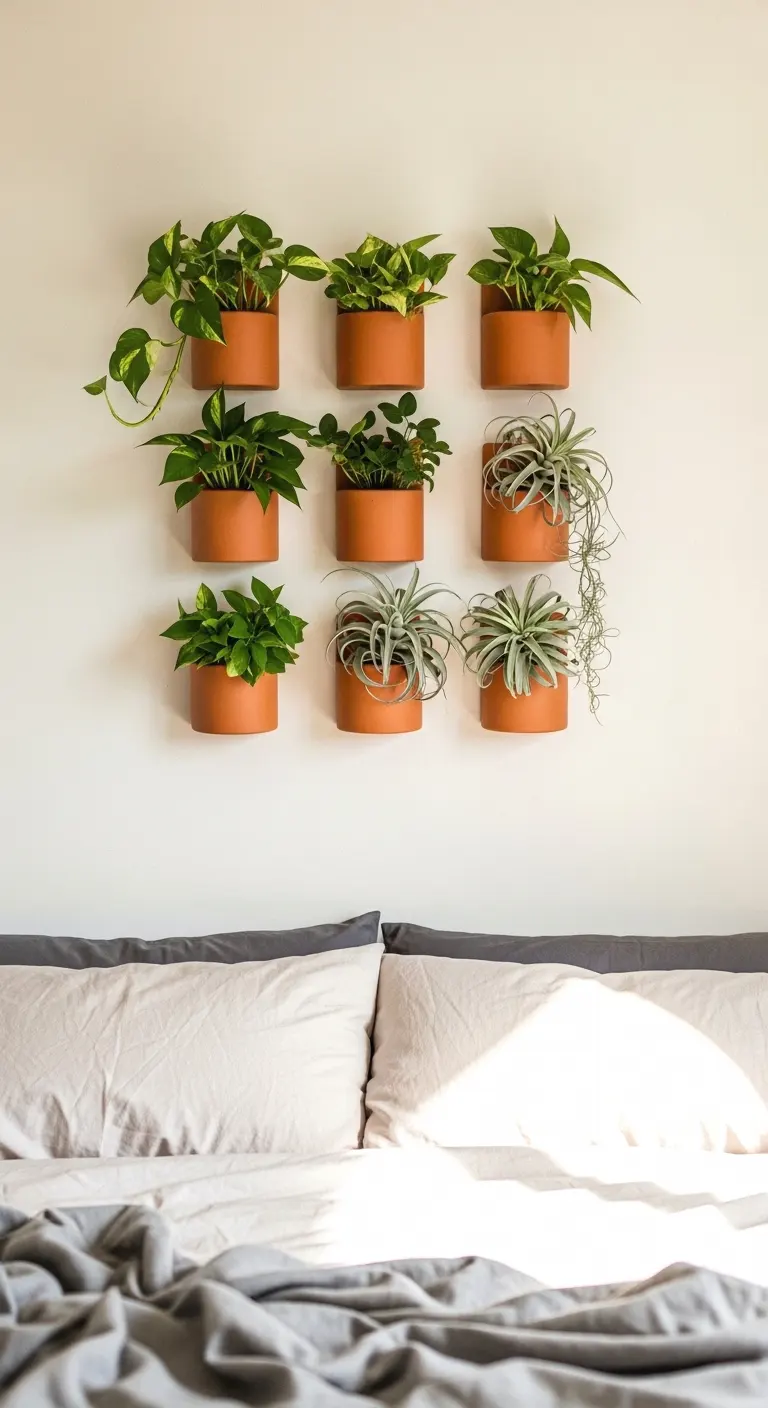
Wall mounted planters let you build a vertical garden without using any floor space at all. Arrange a few small planters in a loose grid or staggered pattern on one wall. Fill them with low maintenance plants like pothos, ferns, or air plants. This creates a striking, gallery like display that doubles as living art. It is one of the more unique plants in bedroom ideas, and works especially well in modern or minimalist spaces that need a touch of softness. Choose planters in a single material, like terracotta or matte ceramic, so the wall feels curated rather than mismatched.
14. Pair a Plant With Your Bed Frame for a Natural Look
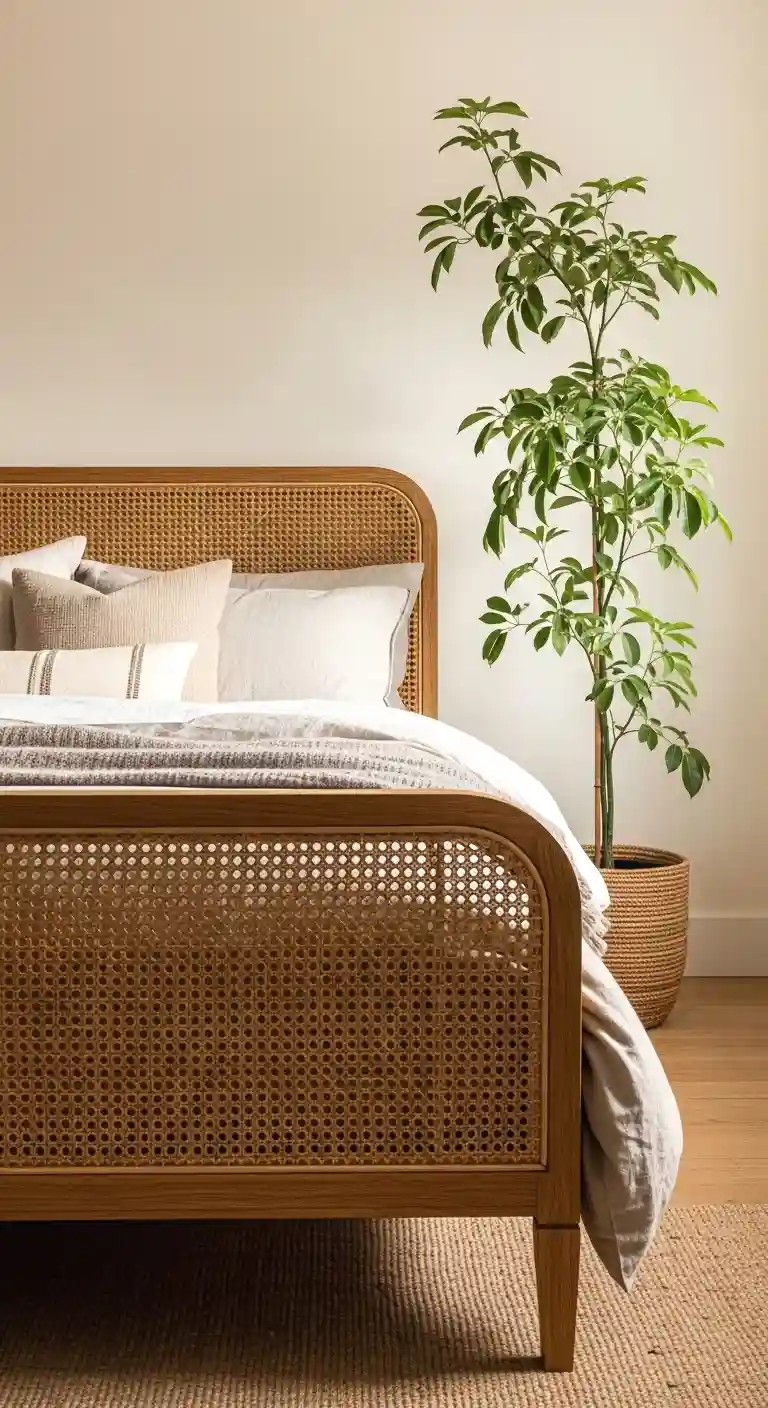
The area around your bed frame is often overlooked when it comes to styling. A medium sized plant placed at the foot of the bed or beside a footboard adds warmth and grounds the whole setup visually. Choose a plant with a relaxed, slightly wild shape rather than something too structured, to match the softness of bedding and pillows. This pairing works especially well with natural wood or rattan furniture, and complements many of the bedroom bed designs that lean into organic, earthy materials. A taller pot here also helps balance the visual weight of a large headboard on the opposite end of the bed. Just make sure there is enough clearance so the plant does not interfere with getting in and out of bed comfortably.
15. Rotate Seasonal Plants to Keep Your Space Feeling Fresh
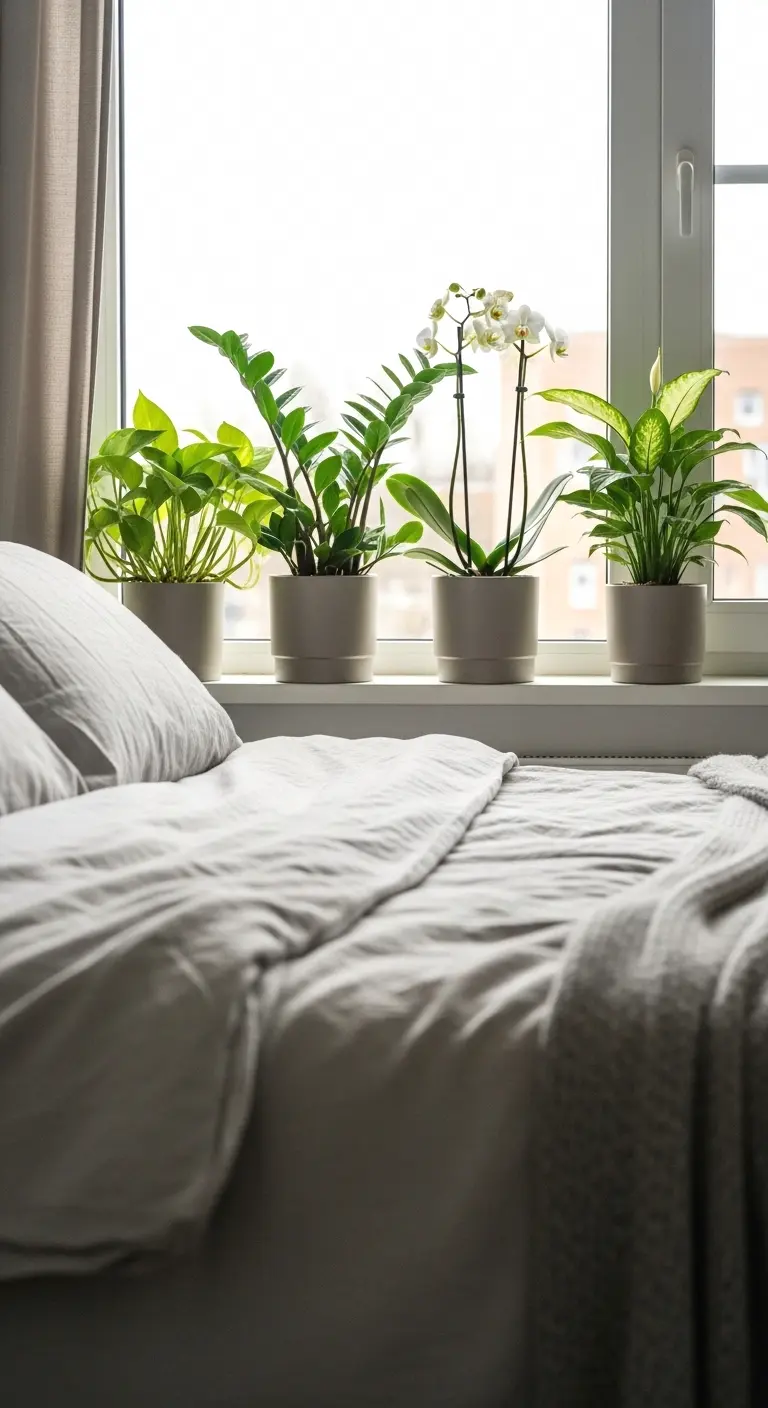
Your plant collection does not have to stay the same all year. Bringing in seasonal blooms like a small orchid in spring or a poinsettia in winter keeps your space feeling fresh and connected to the time of year. Keep your main, hardy plants as the foundation, then rotate one or two seasonal pieces in and out. This small habit keeps your bedroom feeling alive and ever changing, without requiring a full redecorating effort every few months. Even just swapping a single pot near the window can shift the whole feel of the room as the seasons change. Keep a small box of spare pots on hand so seasonal swaps are quick and effortless.
Key Takeaways
- Start Small: A single pot on your nightstand is an easy, low pressure way to begin.
- Think Vertically: Shelves, hanging planters, and wall mounts free up valuable floor space.
- Match Light to Plant: Choose varieties suited to the actual light levels in each spot.
- Group for Impact: Clustered plants on a tray or shelf look more intentional than scattered pots.
- Mix Real and Faux: Faux plants fill gaps in low light spots without extra maintenance worry.
- Use Plants to Soften Edges: Greenery near furniture corners makes a room feel warmer instantly.
- Refresh Seasonally: Rotating a few seasonal plants keeps your space feeling current and alive.
Conclusion
Plants have a way of making a bedroom feel finished, even when nothing else has changed. They soften hard lines, add color, and bring a sense of calm that is hard to recreate any other way. Whether you start with one small pot or plan out a whole green corner, every plant you add brings something good to the room.
Take your time with this one. There is no rush to fill every surface at once. Let your space grow slowly, the same way your plants will. Pay attention to which spots get light and which plants seem happiest there, and let that guide your next additions. Before long, your bedroom will feel like a little retreat, full of life and personality that is entirely your own.
What To Do Next
- Pick one spot to start. A nightstand or empty shelf is a great first step.
- Check your light. Note which areas get natural light and which stay dim throughout the day.
- Choose easy varieties first. Pothos, snake plants, and ZZ plants are nearly impossible to kill.
- Add one faux plant. Use it to fill a darker corner where real plants might struggle.
- Set a watering reminder. A simple weekly check keeps your new plants healthy and thriving.