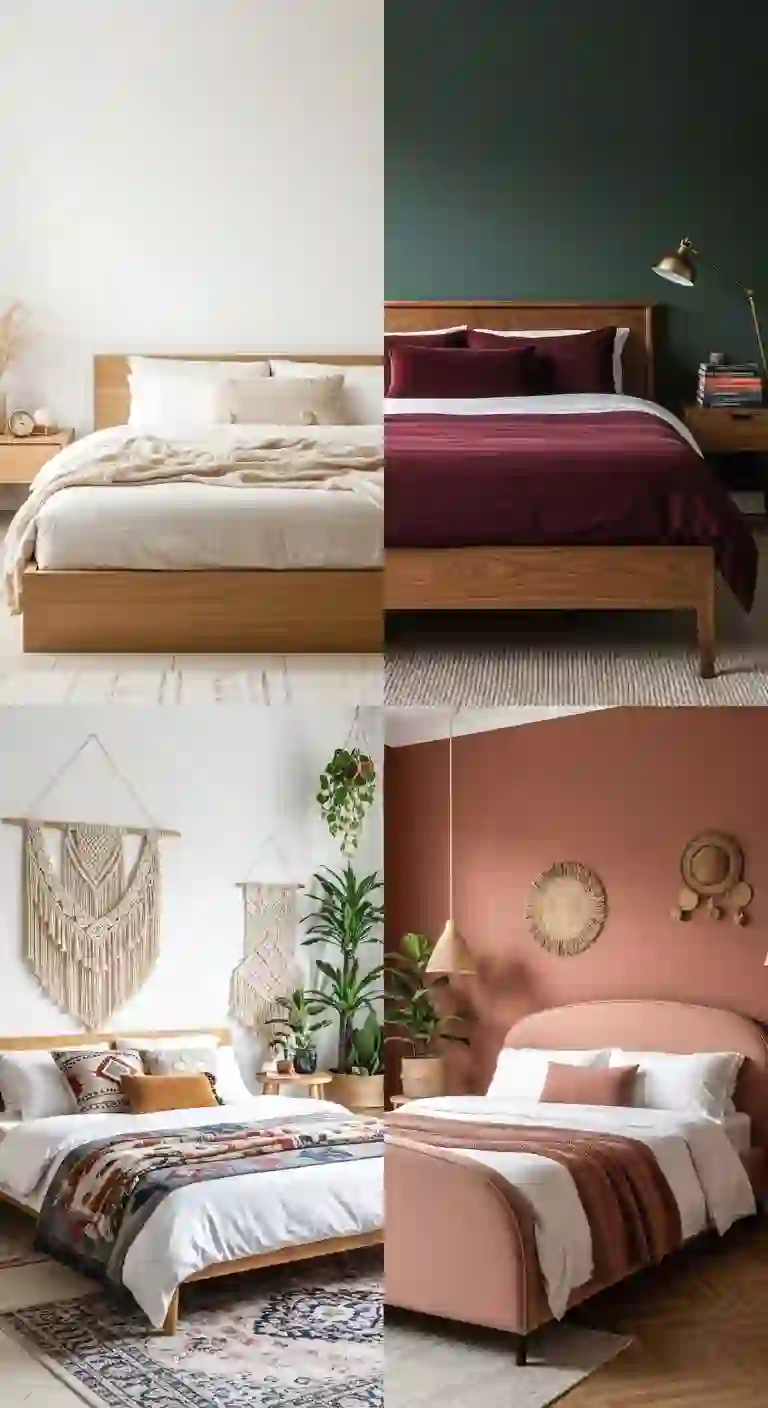
17 Shared Bedroom Ideas That Are Cozy, Stylish, and Surprisingly Spacious
Sharing a bedroom is one of those situations that sounds simple until you are actually living it. Two people, one room, completely different ideas about what looks good and what belongs where. Clothes pile up on the wrong side. Storage runs out fast. And somehow the room never quite feels like it belongs to either person fully.
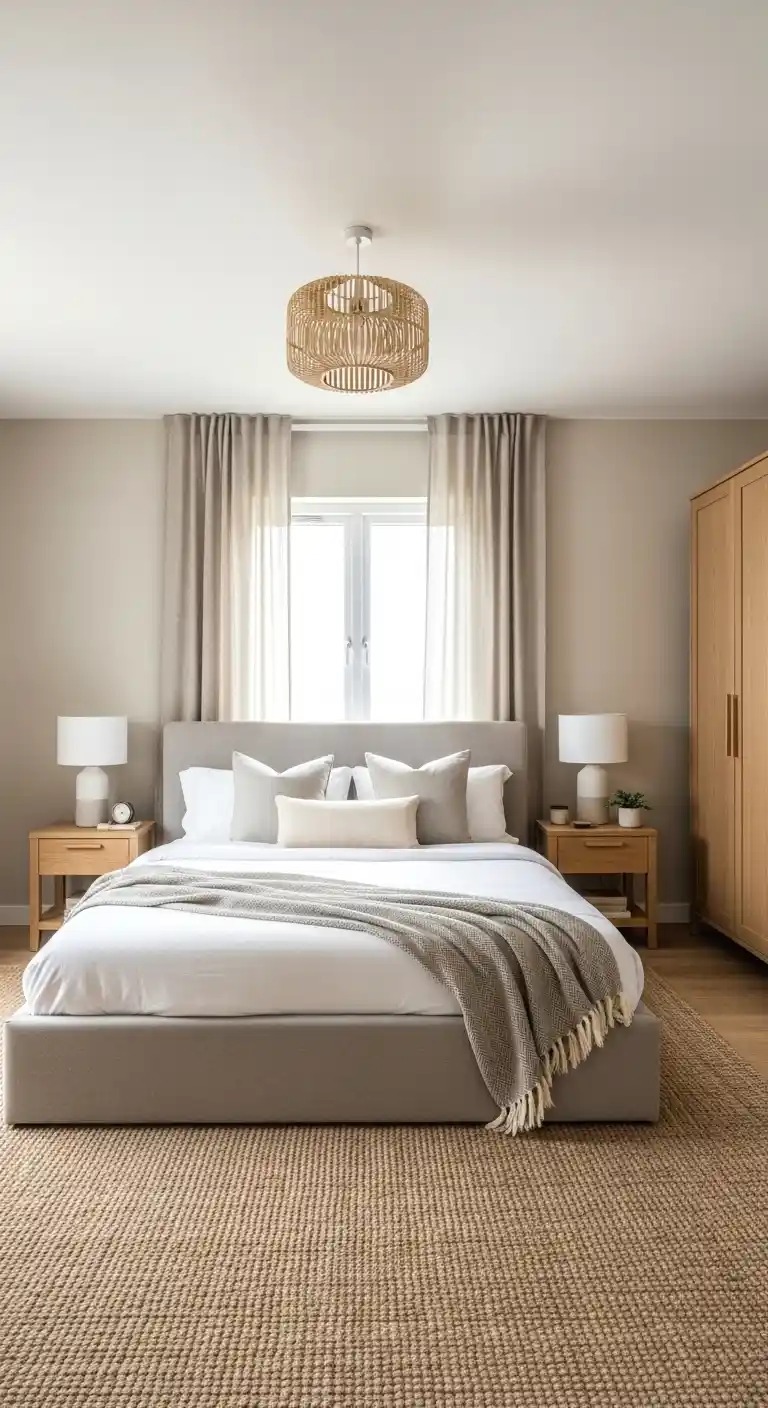
The good news is that shared bedrooms can be genuinely beautiful. With the right approach, a shared space can feel intentional, personal for both people, and even more stylish than a solo bedroom. These 17 shared bedroom ideas cover everything from smart storage to visual zoning, so the room finally works for both of you without feeling like a compromise.
1. Define Each Side With a Distinct Bedside Setup
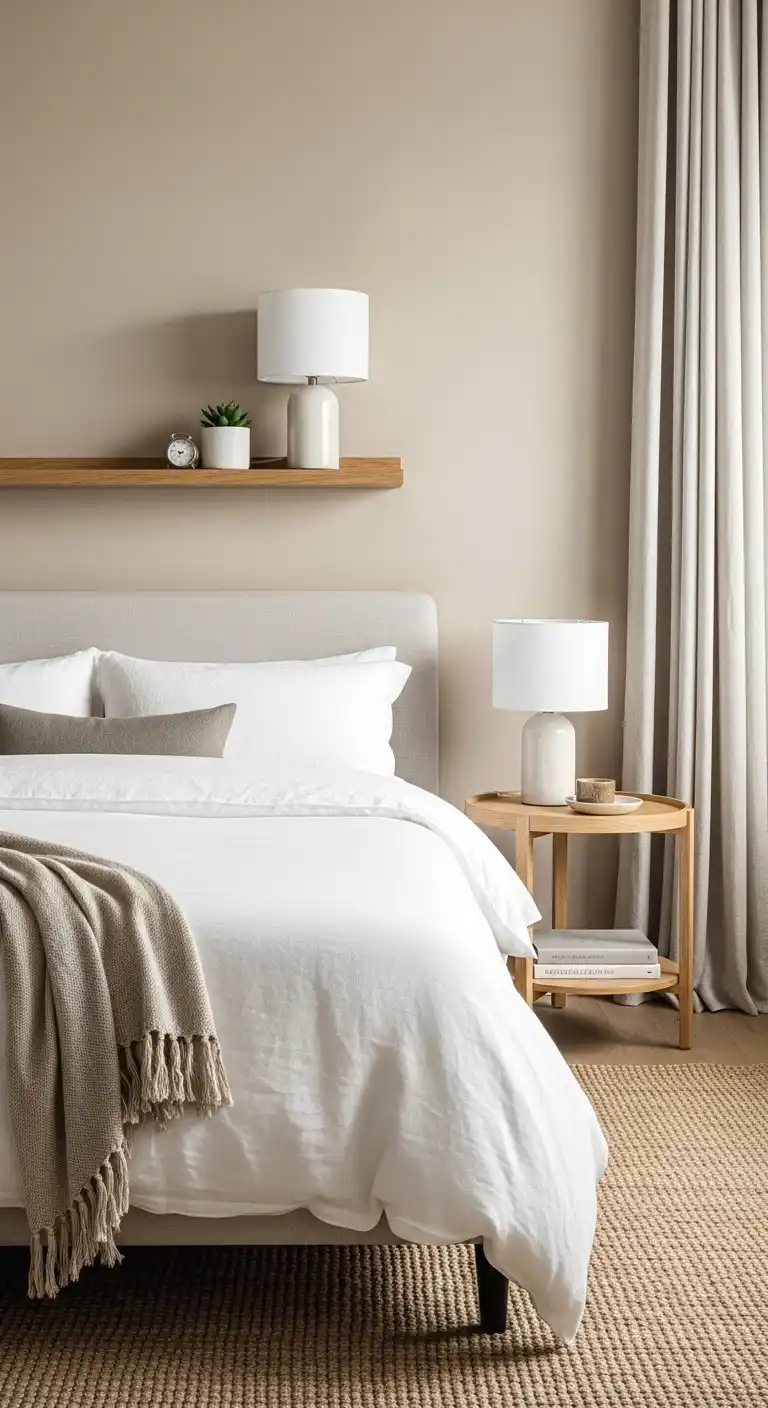
The simplest way to bring order to a shared bedroom is to treat each side of the bed as its own little zone. Give each person a nightstand, a lamp, and a small tray for personal items. The nightstands do not need to match exactly. One can be a slim floating shelf while the other is a small wooden table. What matters is that each side feels considered and personal. This small visual division immediately makes the room feel more intentional and gives each person a corner that truly belongs to them.
2. Use a Large Shared Headboard to Unite the Bed
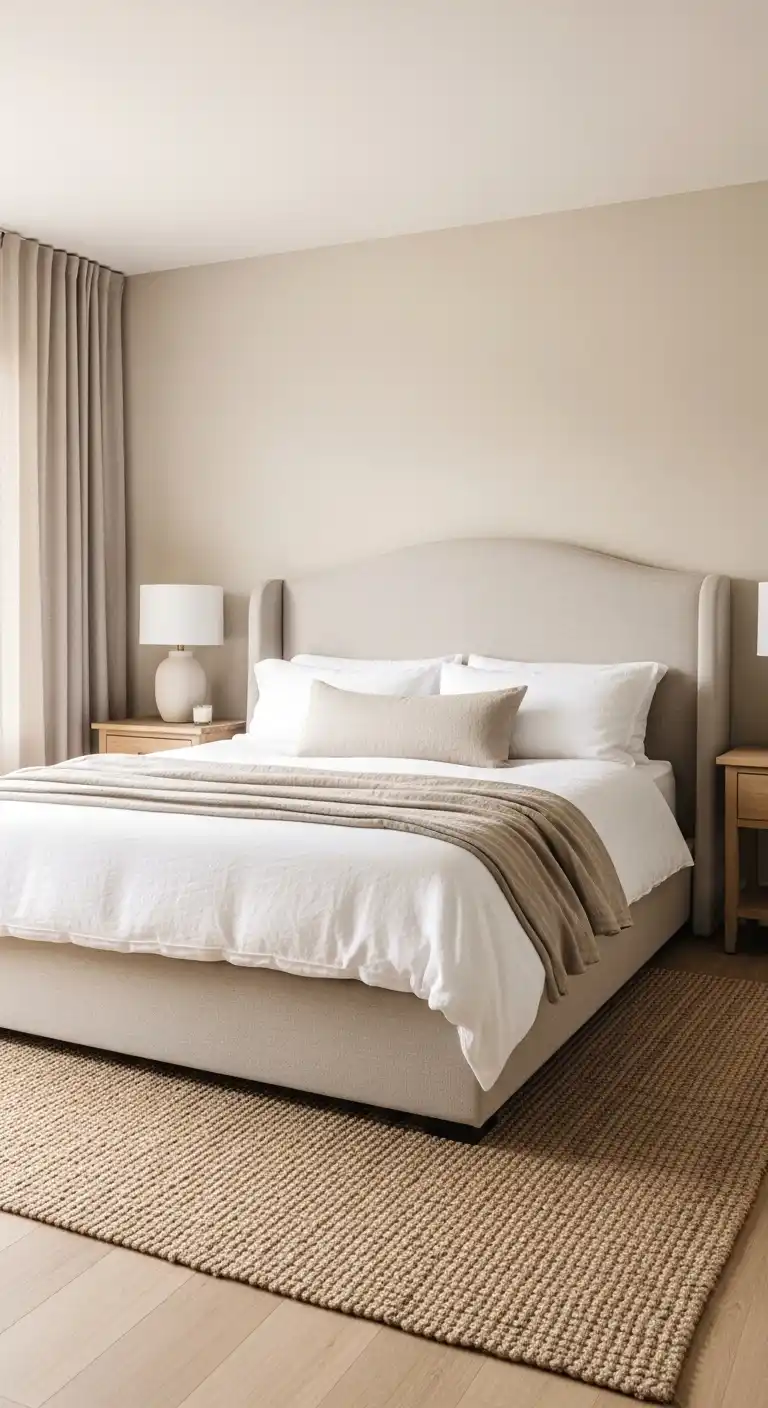
When two people share a bed, the headboard becomes the anchor point for the whole room. A long, wide headboard that spans the full width of the bed and even extends slightly beyond it creates a sense of unity. Choose something in upholstered linen, curved wood, or cane to add texture and warmth. A statement headboard also reduces the need for art above the bed, since the headboard itself becomes the focal point. It ties both sides of the room together without forcing them to look identical.
3. Build a Zoned Layout With a Room Divider
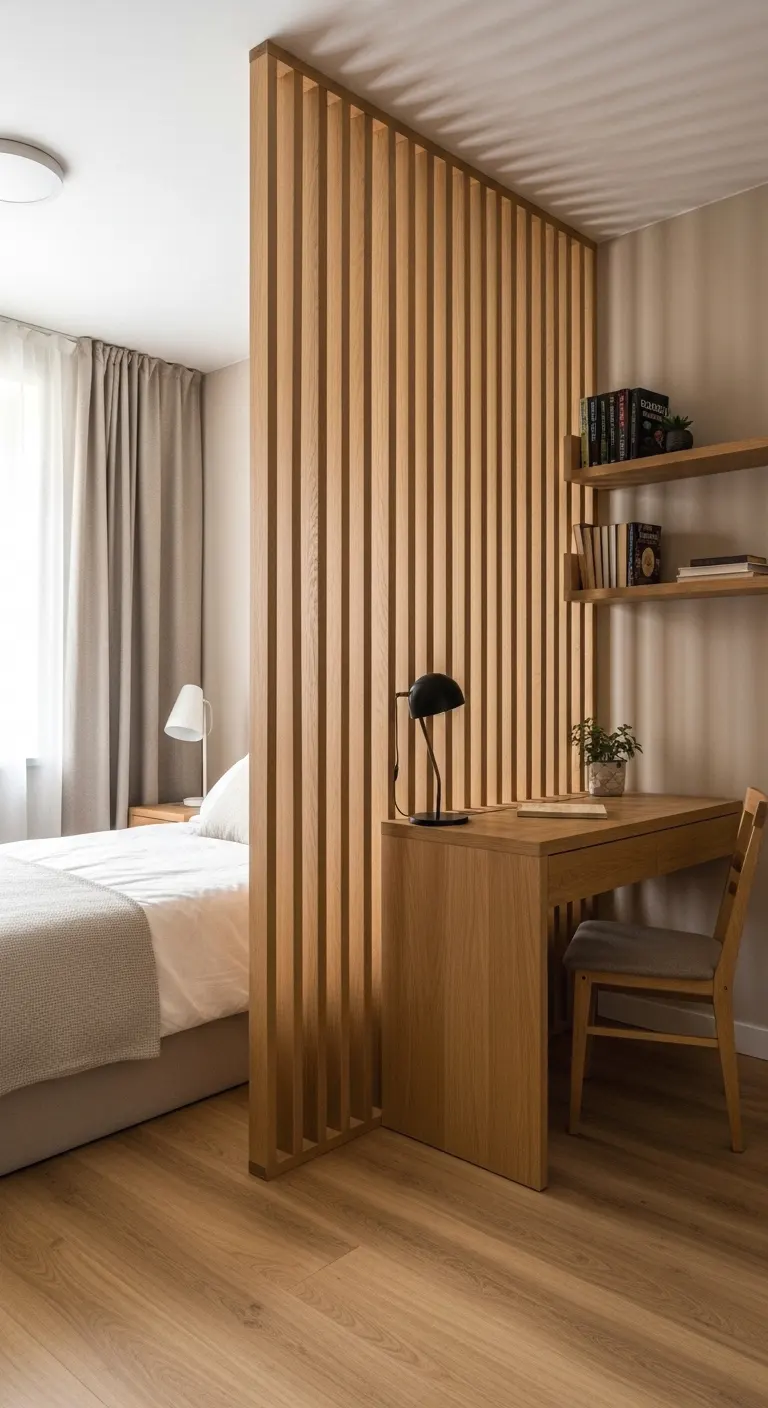
One of the most practical shared bedroom ideas for couples or siblings is using a room divider to create two defined zones within the same space. A tall bookshelf, a curtain on a ceiling track, or a slatted wood screen can divide the room without closing it off completely. Each person gets their own side for dressing, working, or simply having a moment of privacy. The divider also acts as a display surface or storage unit on one or both sides, so it earns its place functionally as well as visually.
4. Choose a Neutral Shared Palette Both People Love
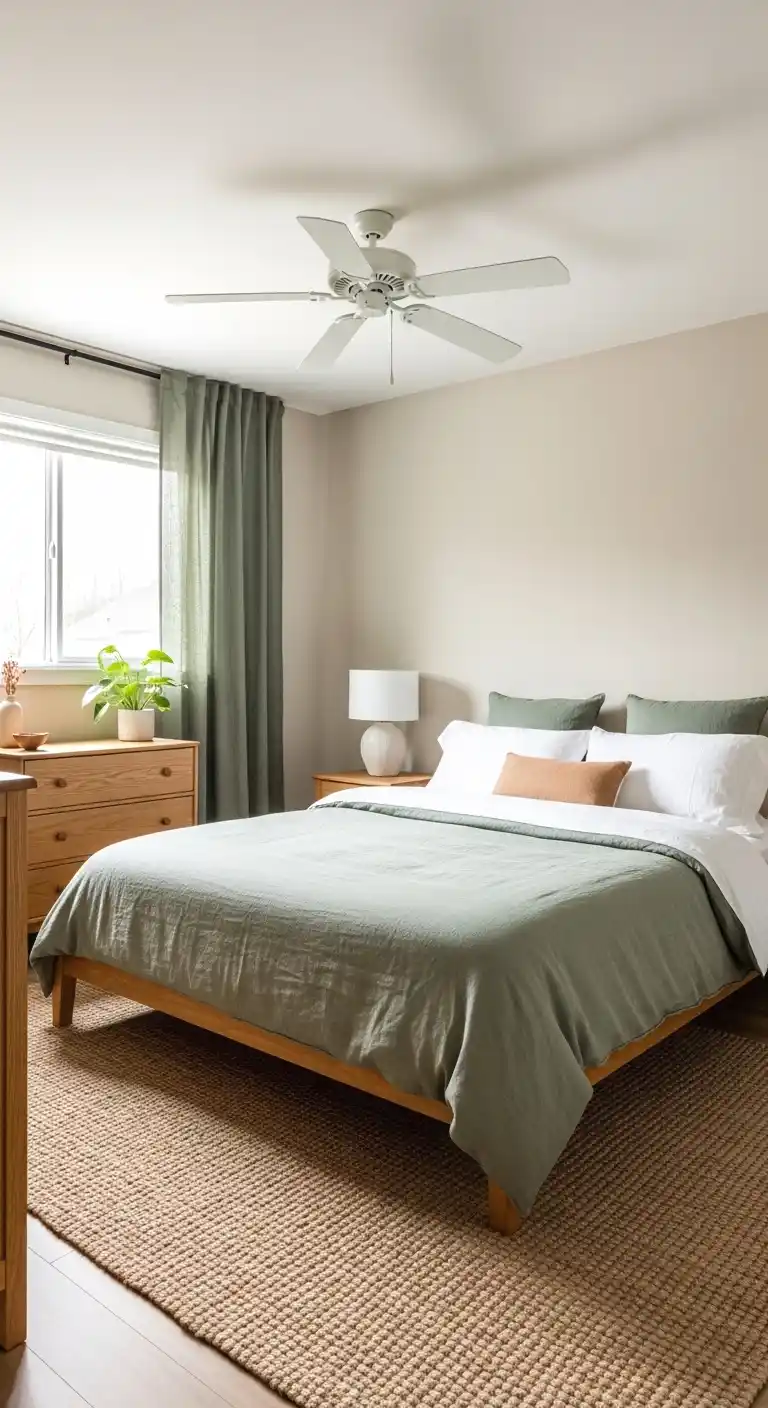
Colour is where most shared bedrooms run into trouble fast. One person wants white and grey. The other wants deep green or moody blue. The solution is to find a neutral base you both genuinely like rather than one you both simply tolerate. Warm beige, soft terracotta, sage green, or muted dusty blue all work beautifully as shared bedroom palettes. Build the walls and large furniture around that shared base, then let each person bring in their own personality through smaller accessories and personal items on their side.
5. Install Under Bed Storage to Double Your Space
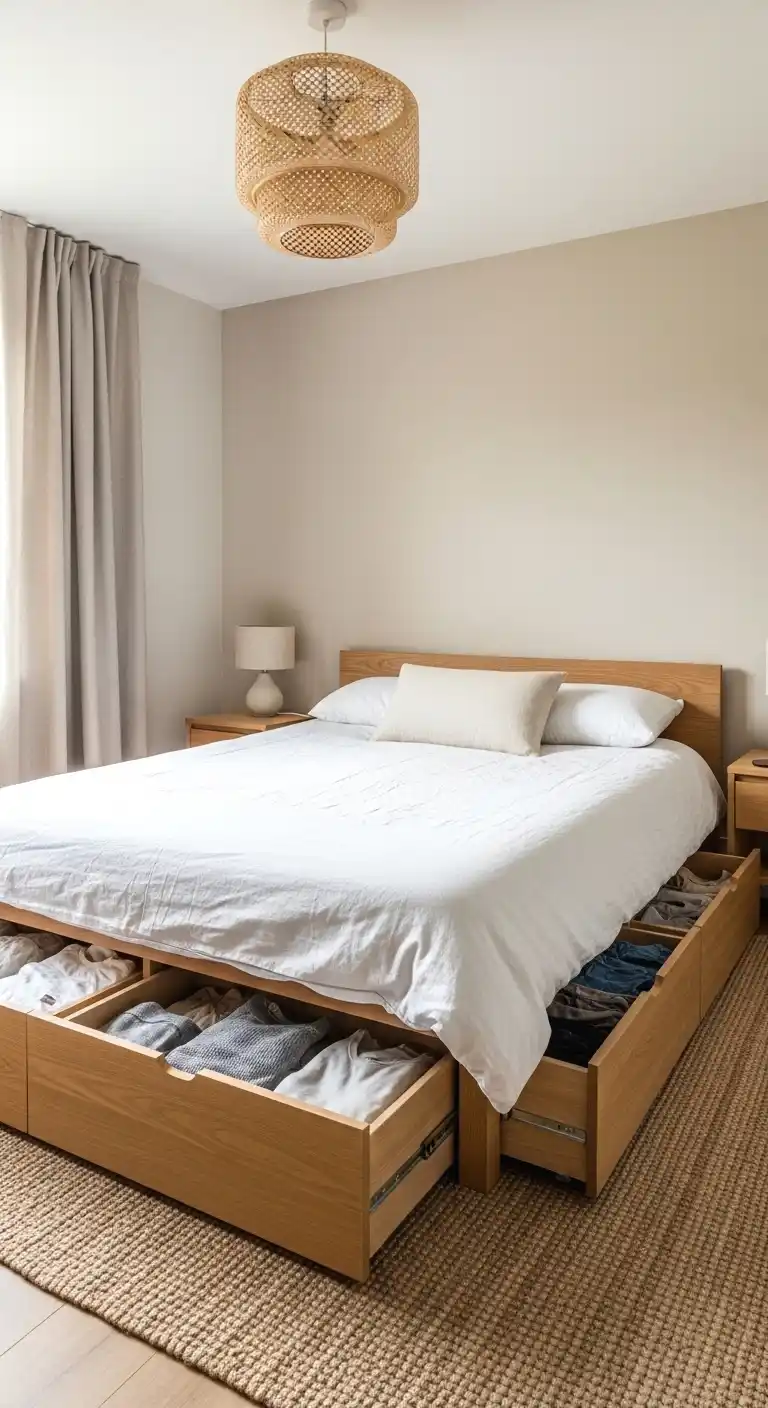
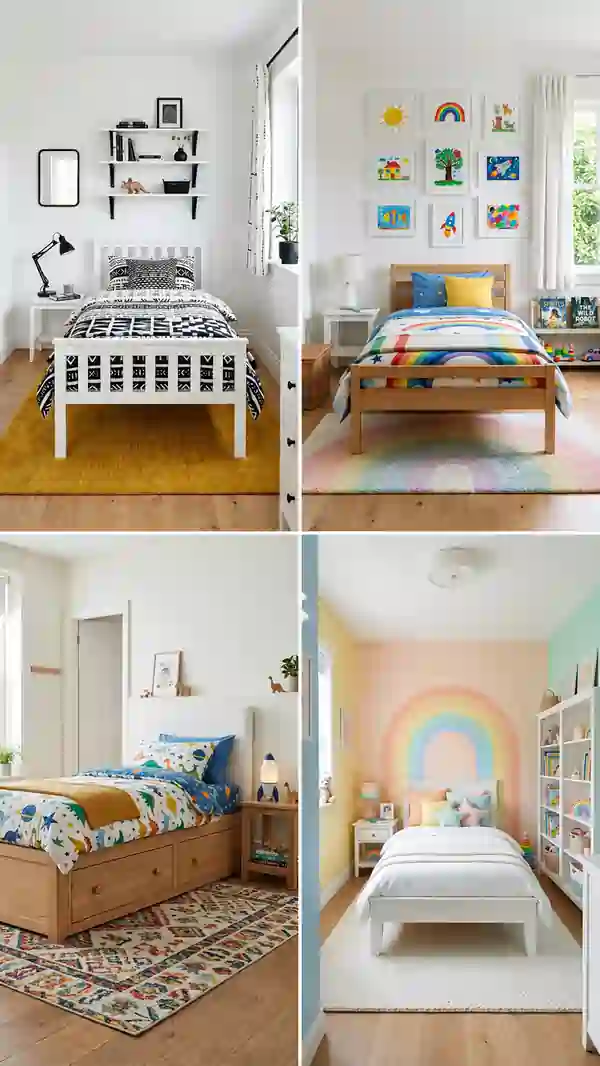
Storage is almost always the first casualty in a shared bedroom. Wardrobes fill up fast and floor space disappears quickly when two people move in. Under bed storage changes the equation completely. Choose a bed frame with built-in drawers on both sides so each person has their own dedicated storage beneath the mattress. Flat rolling bins also work well under standard frames. Use this space for out-of-season clothing, extra bedding, or shoes. It keeps the floor clear and the room looking spacious even when two wardrobes are not quite enough.
6. Create a Shared Vanity or Dressing Area
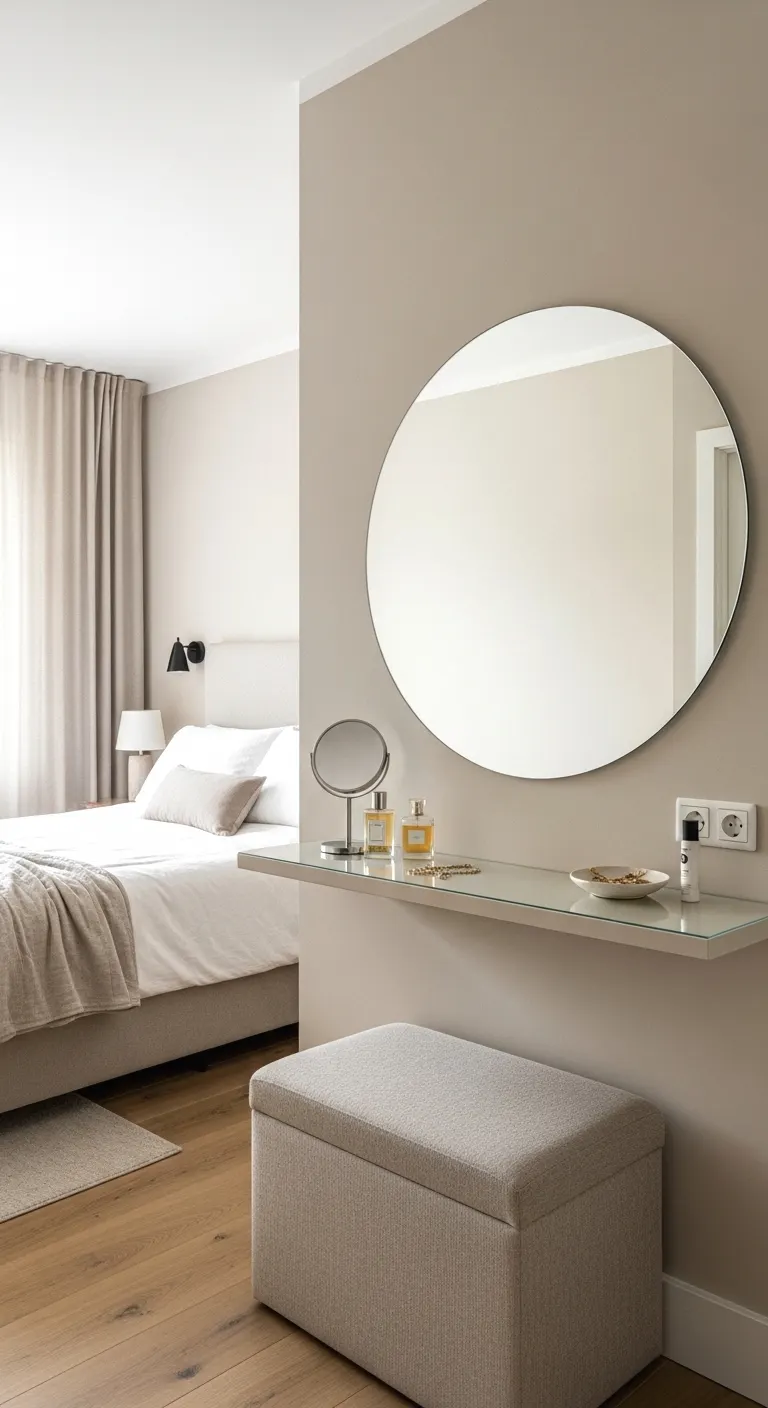
A dedicated dressing area works beautifully in shared bedrooms because it moves the morning routine away from the bed zone entirely. Mount a large mirror on one wall and place a small bench or stool below it. Add a floating shelf or two for shared items like perfume, skincare, and accessories. If space allows, a proper vanity table with two small mirrors side by side gives each person their own spot. This setup reduces the morning chaos significantly and makes the room feel more organised throughout the rest of the day.
7. Use Matching Bedding With Different Accent Pillows
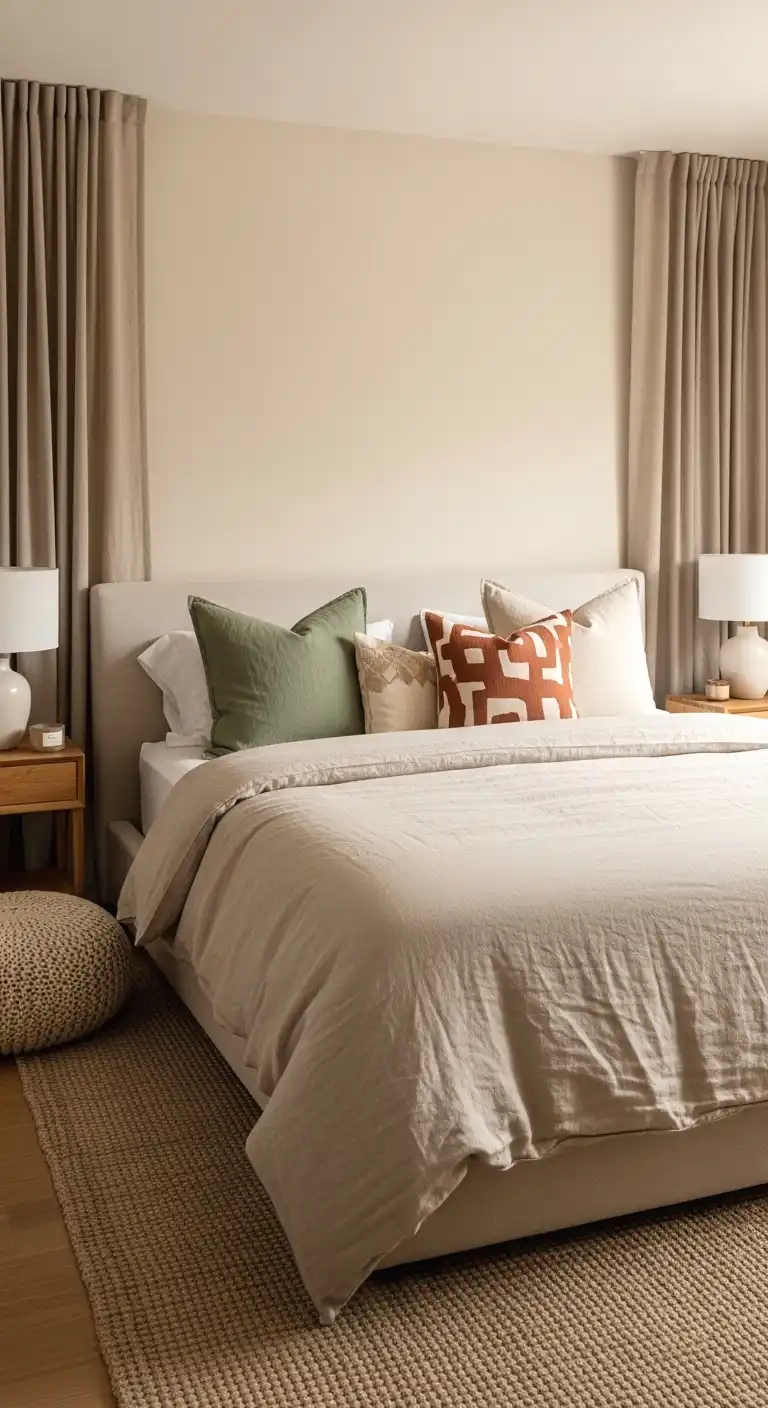
Bedding is the single easiest way to make a shared bed feel cohesive without erasing individual style. Choose one shared duvet cover in a neutral tone that both people are happy with. Then let each person choose their own set of accent pillows for their side. One person might prefer a chunky knit cushion and a solid linen pillow. The other might choose a printed pillow and a velvet cushion. The bed looks pulled together from across the room but up close each side reflects something personal. It is a small detail that makes a real difference.
8. Mount Floating Shelves Above Each Person’s Side
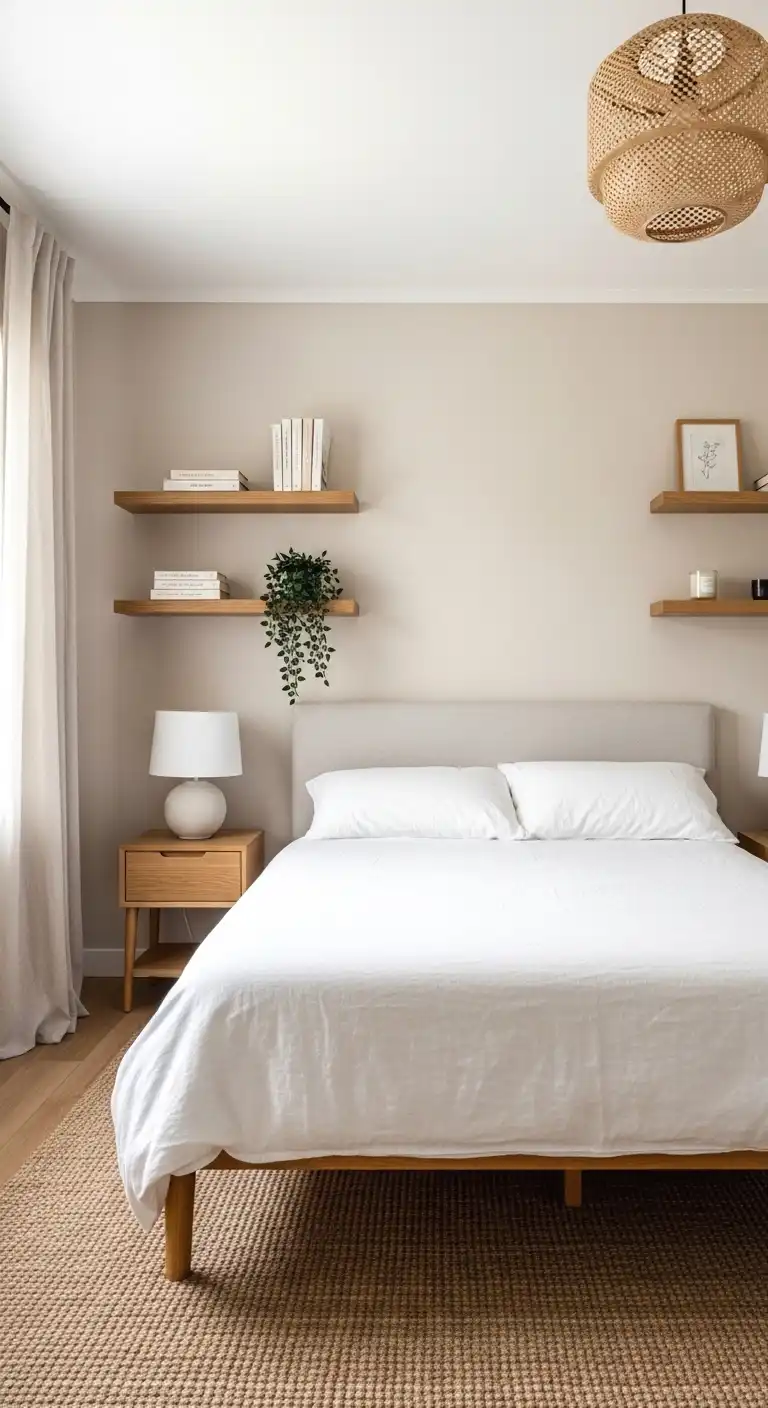
Wall space above each nightstand is prime real estate in a shared bedroom. Mounting a floating shelf or two above each side gives each person a small display area for their own books, plants, candles, or objects. Keep the shelf style consistent across both sides so the wall looks unified even if the objects on each shelf are completely different. This approach adds storage and personality without taking up any floor space. It also frames the bed beautifully and makes the whole headboard wall feel designed rather than bare.
9. Pick Furniture That Serves More Than One Purpose
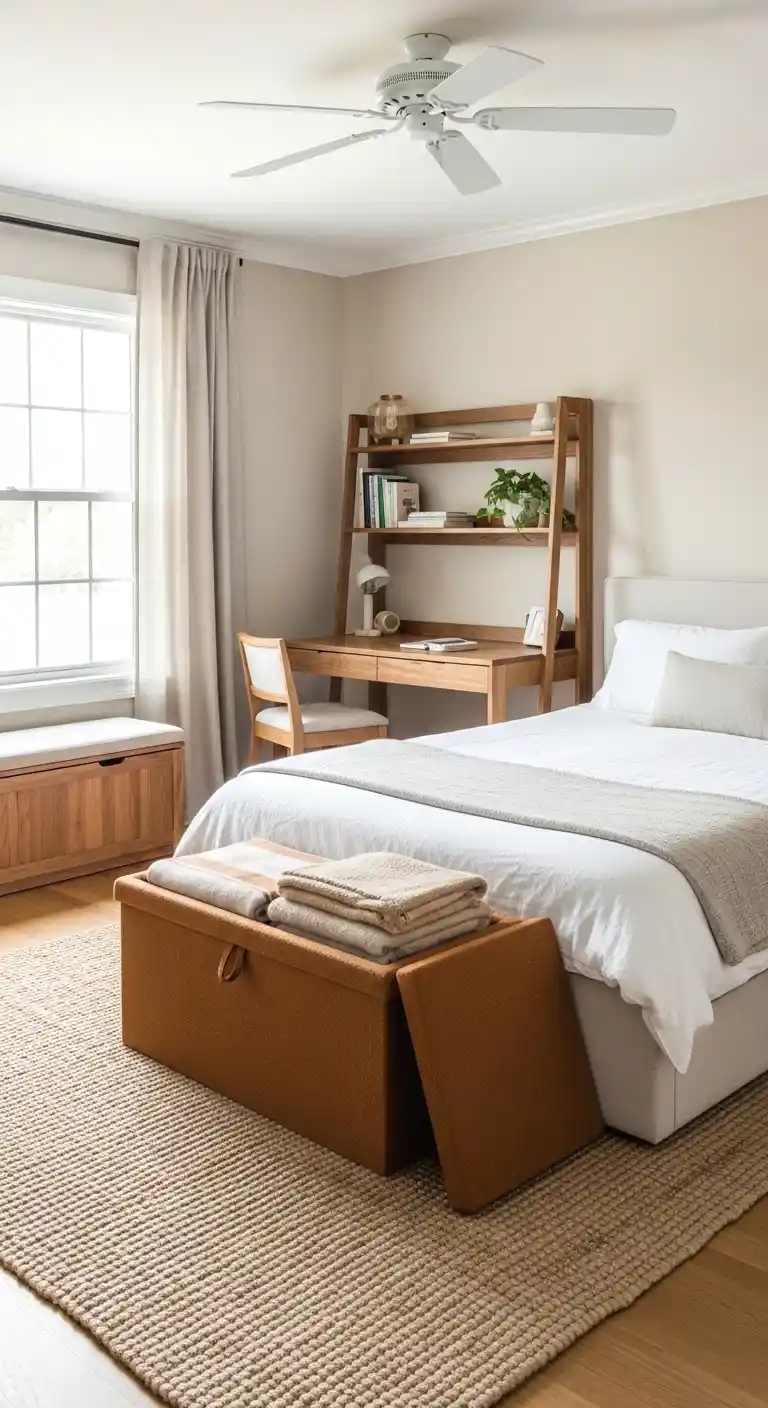
In a shared bedroom every piece of furniture has to work harder than it would in a solo room. A storage ottoman at the foot of the bed holds extra blankets and doubles as a seat. A bench with hidden compartments handles overflow from the wardrobe. A desk with shelving above it creates a small home office zone without needing a separate room. Multi-purpose furniture keeps the room from feeling cluttered while making sure both people have enough space and storage to actually function day to day. These are the kinds of bedroom ideas that make a real difference in a lived-in room.
10. Use Curtains to Create a Soft Visual Boundary
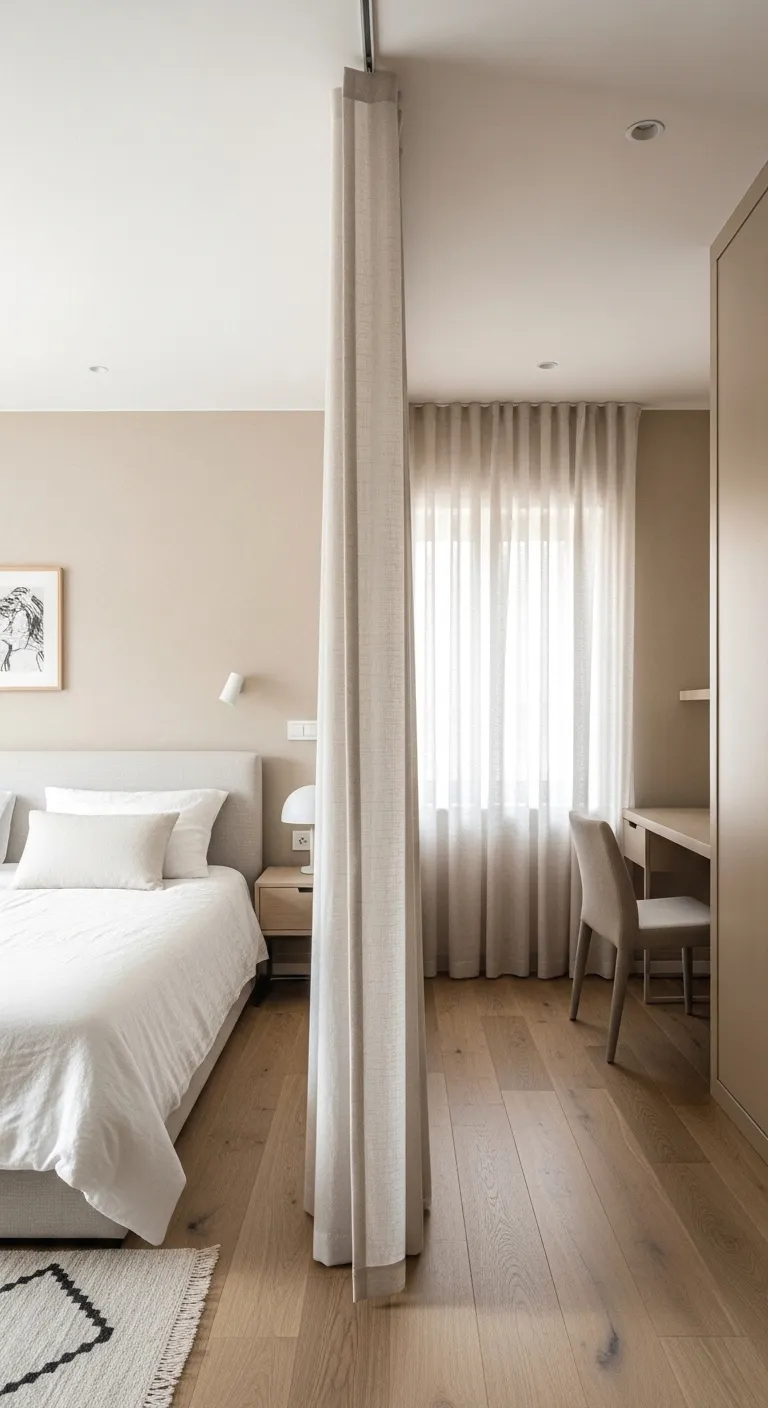
Curtains are one of the most underused tools in shared bedroom design. A ceiling-mounted curtain track running down the centre of the room creates a soft, flexible boundary that can be opened during the day and closed when privacy is needed. Choose a sheer linen fabric so the curtain filters light rather than blocking it. The effect is surprisingly elegant and feels intentional rather than makeshift. It works especially well in siblings’ rooms where each child benefits from having their own enclosed space at bedtime without the permanence of a wall.
11. Add a Shared Reading Corner for Both People
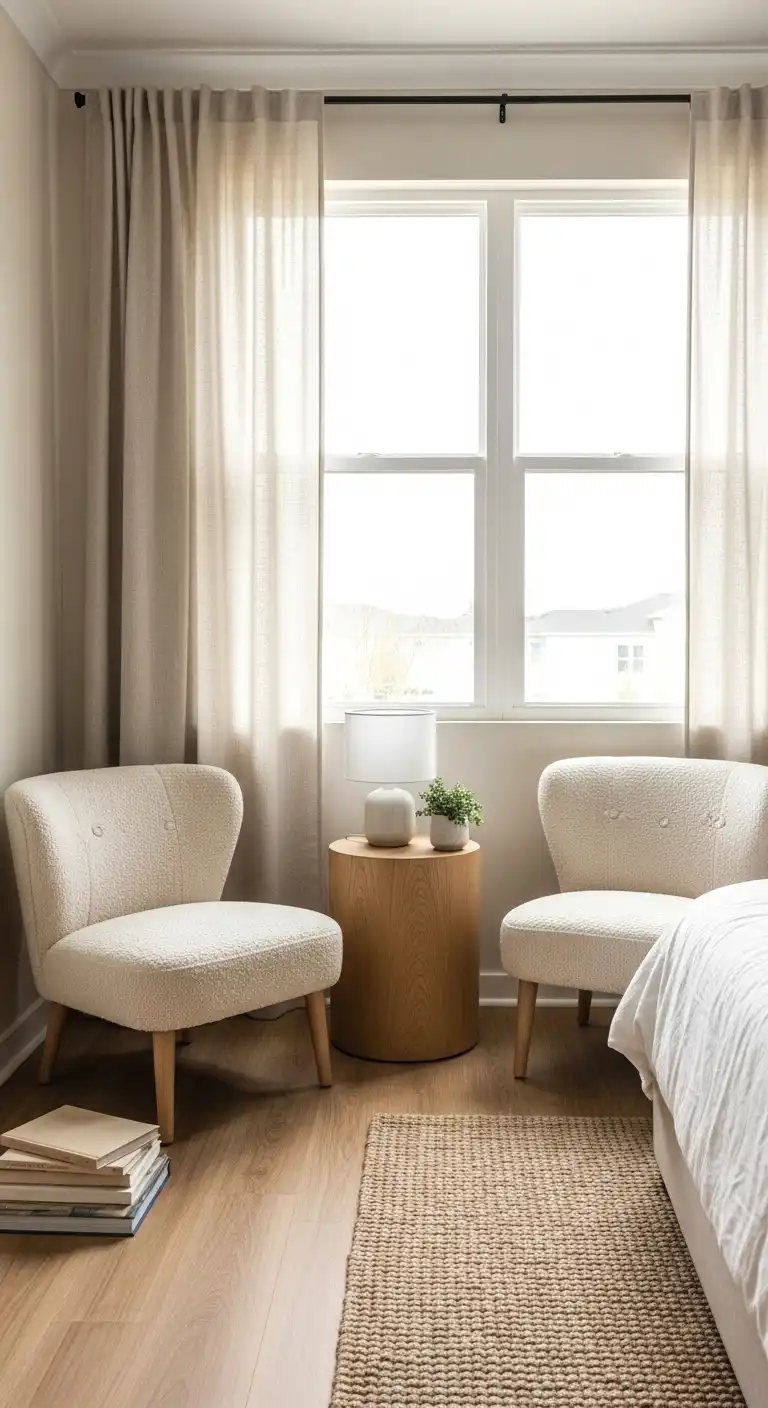
A shared reading corner in one part of the bedroom gives both people a reason to spend time in the room beyond just sleeping. Place two small chairs facing each other or angled toward a window, with a shared side table between them holding a lamp and a small plant. Each person brings their own book or device. The corner becomes a genuinely shared space rather than just a room two people happen to occupy. It adds warmth, function, and a sense of intentional living that most shared bedrooms are missing entirely.
12. Go Vertical With Floor to Ceiling Storage
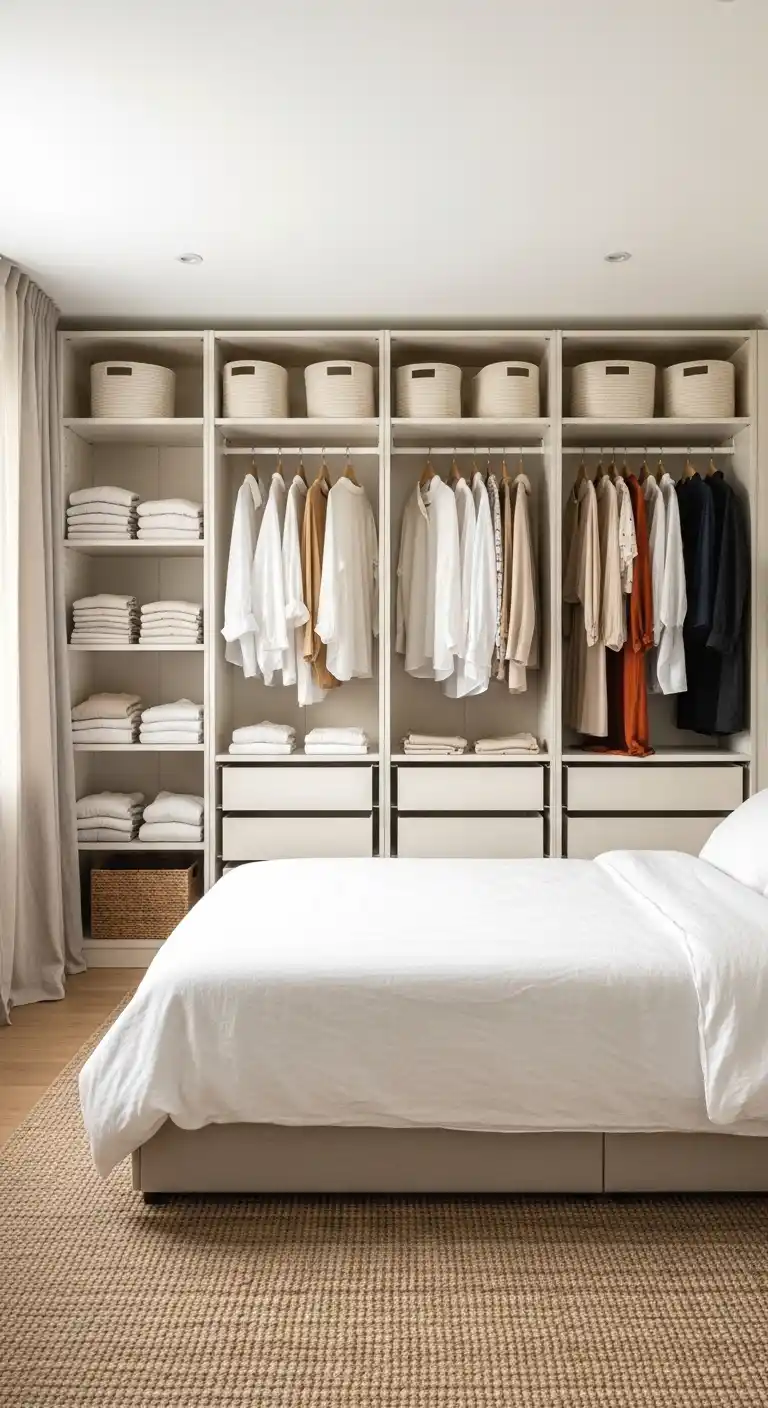
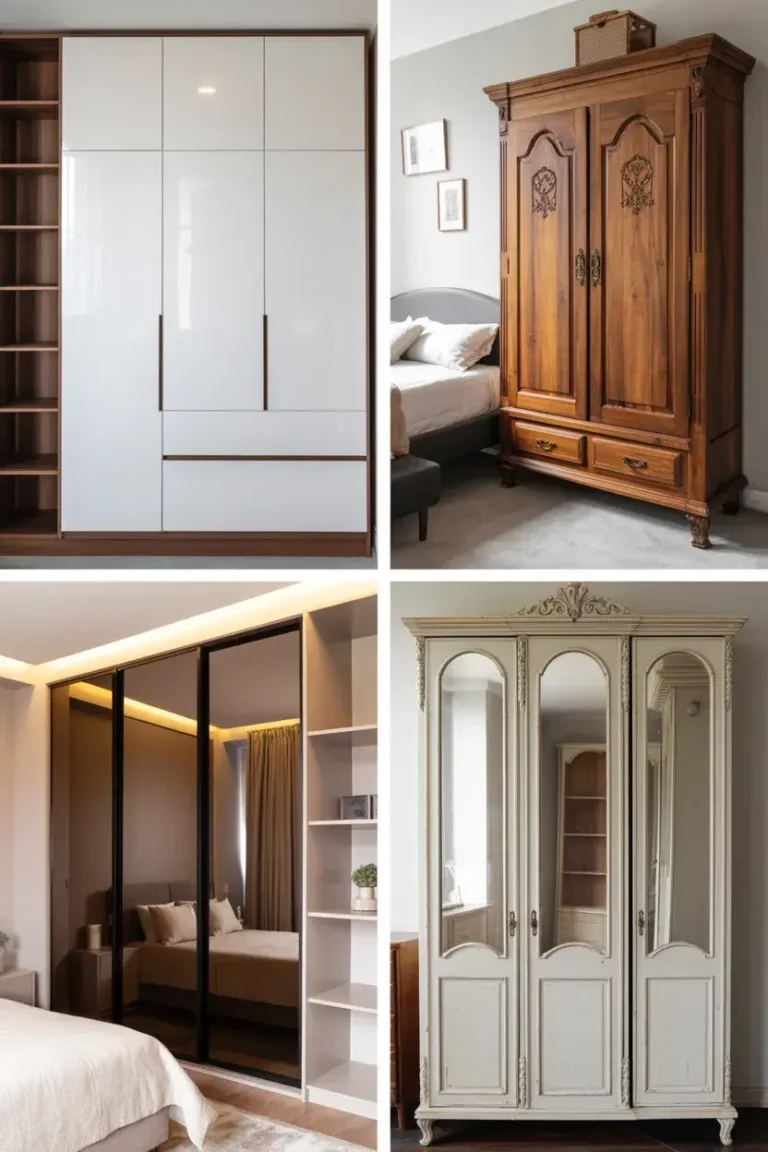
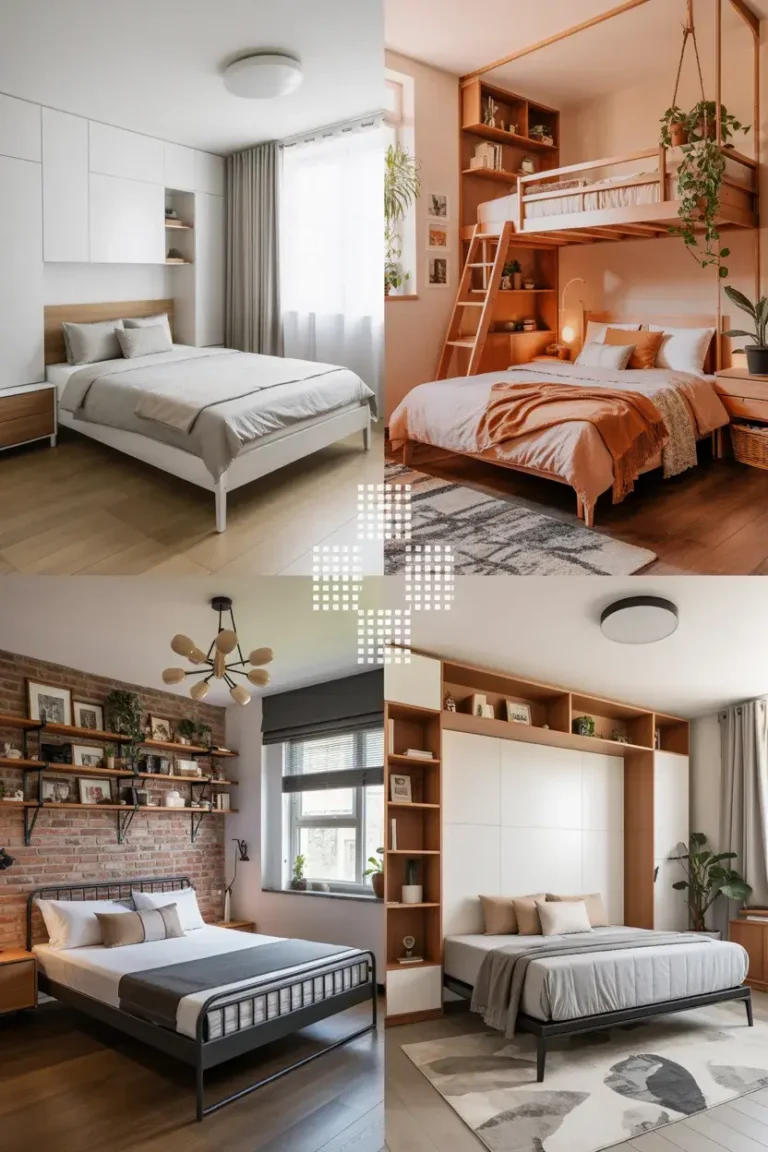
When floor space is limited in a shared bedroom, vertical storage becomes essential. A floor to ceiling wardrobe or shelving unit along one full wall provides enormous storage capacity without expanding the room’s footprint at all. Divide the unit clearly down the middle so each person has an equal and defined section. Use matching baskets or boxes on open shelves to keep everything looking tidy from the doorway. Going vertical also draws the eye upward and makes the ceiling feel higher, which makes the whole room feel more open and comfortable for two people.
13. Keep the Colour on the Bed, Not the Walls
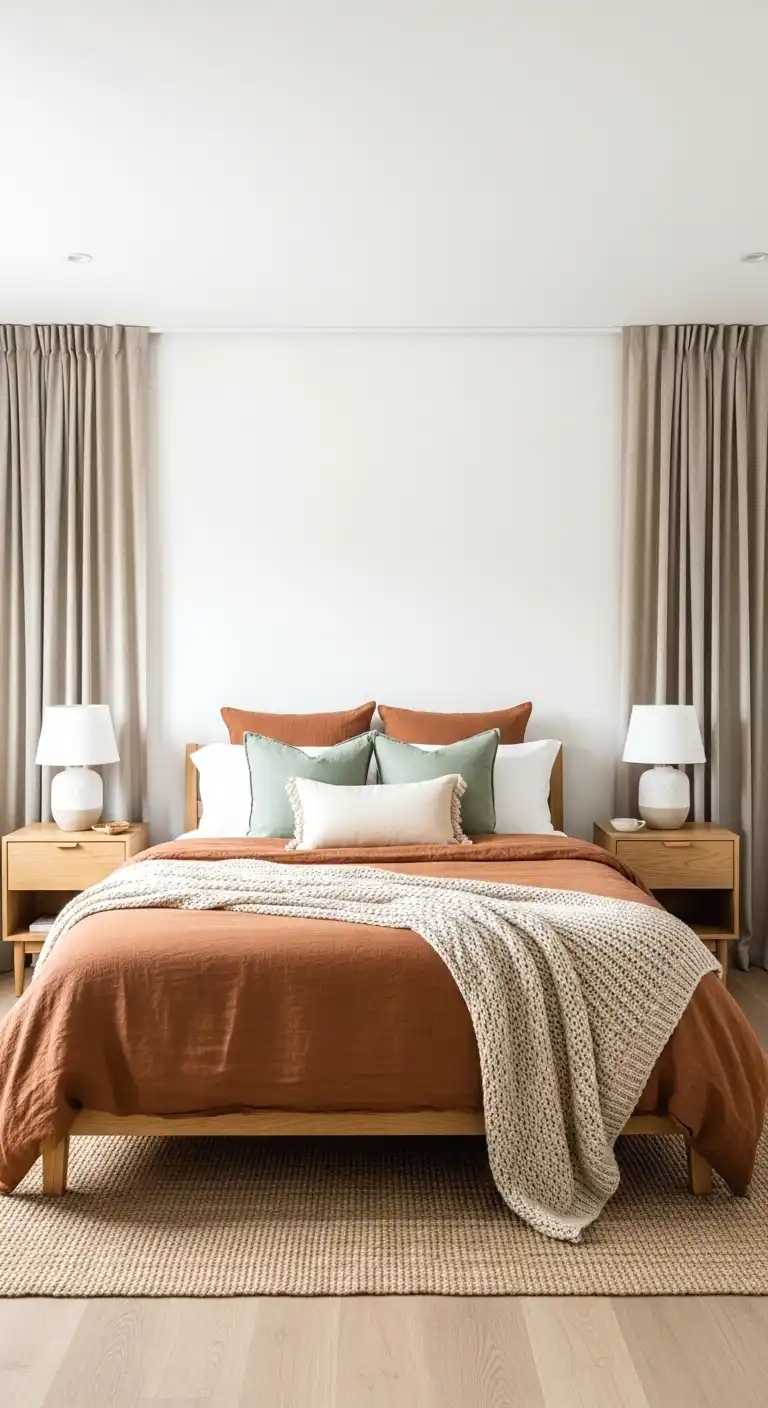
A simple but effective design rule for shared bedrooms is to keep the walls neutral and let the bed do all the colour work. White or warm beige walls give both people a blank canvas to work with. Then style the bed with a duvet, throw, and pillows in whatever colour palette you both agree on. This approach also makes it easy to change the mood of the room without repainting. Swap the bedding for a new season and the whole room shifts. If you are interested in how colour affects the overall bedroom feel, this collection of organic modern bedroom inspiration handles the neutral palette approach beautifully.
14. Use Matching Lamps for Visual Balance
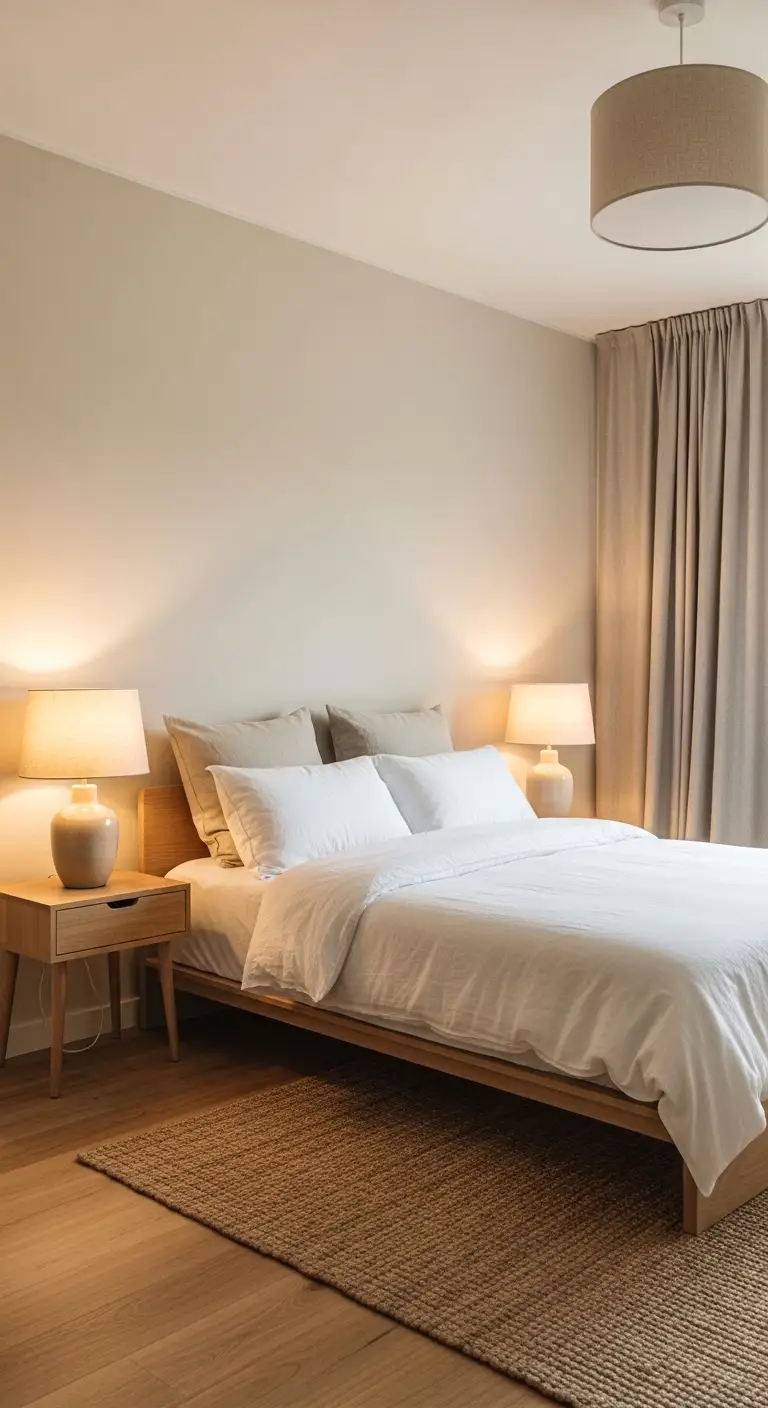
Lighting is one of the quietest contributors to how balanced a shared bedroom looks. When one side has a tall floor lamp and the other has a tiny clip-on light, the room feels lopsided even if everything else is well-styled. Choosing matching or complementary lamps for both nightstands immediately brings symmetry to the room. They do not need to be identical. Two lamps in the same finish, such as both in brass or both in matte black, read as a pair even if the shapes differ slightly. This small change makes the whole room feel more considered.
15. Designate a Shared Workspace That Feels Intentional
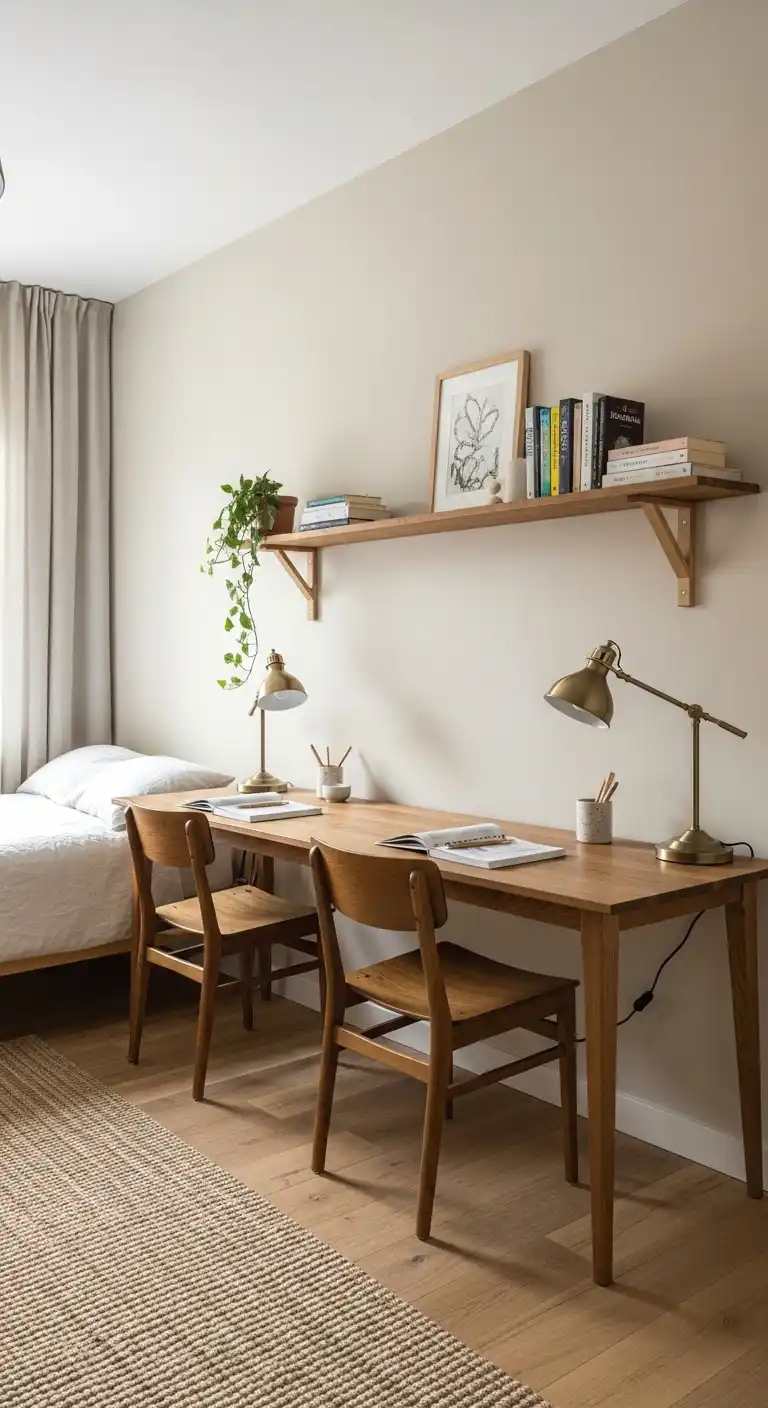
Many couples and siblings sharing a bedroom also need to work or study in the same space. Rather than letting a desk appear randomly against a spare wall, treat the workspace as a proper zone. Place the desk against the most neutral wall, add a shelf above it for books and supplies, and choose a chair that looks good even when the desk is not in use. If two people need to work simultaneously, a long shared desk against one wall with two chairs side by side is more space-efficient than two separate desks. For layout guidance on fitting a workspace into a shared room, these bedroom layout ideas are worth exploring.
16 . Add Soft Rugs to Define Sleeping and Living Zones
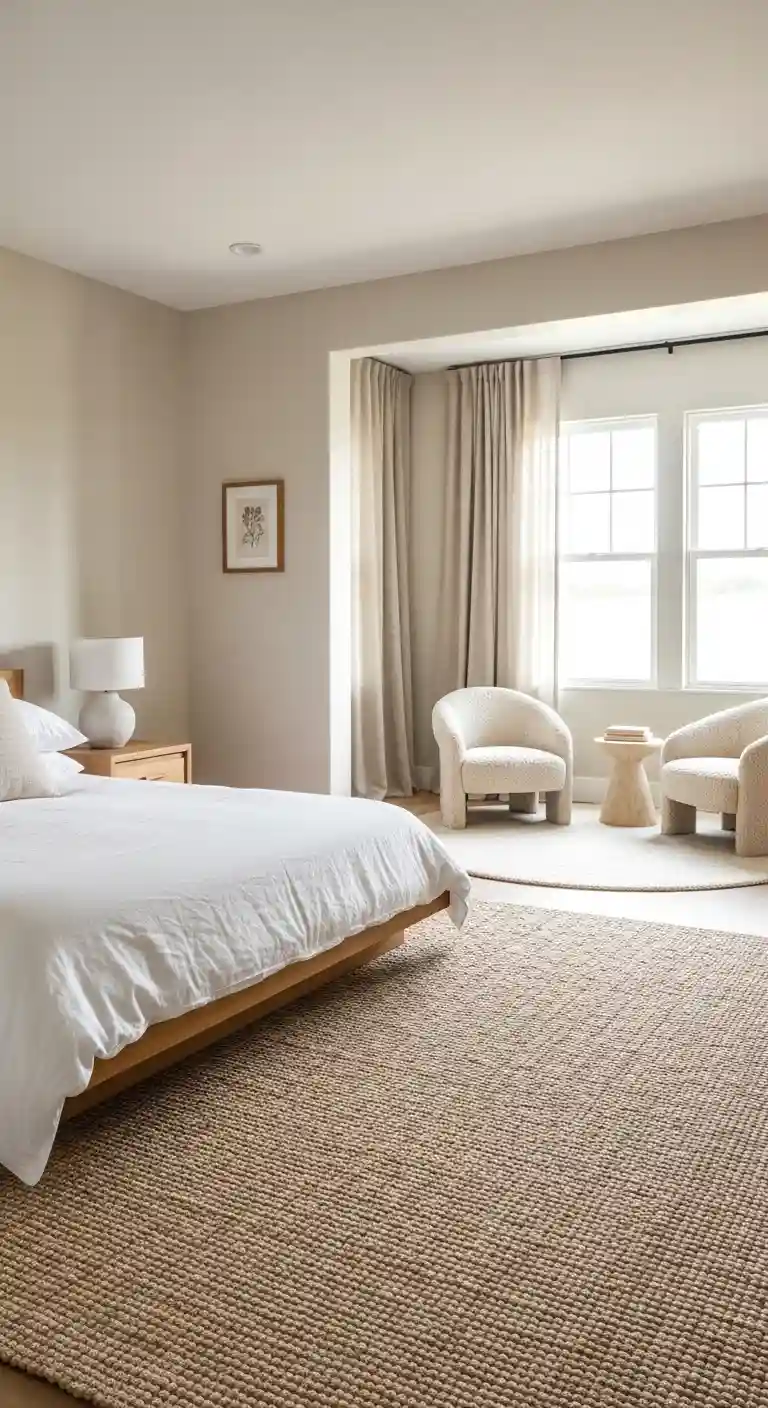
A rug is one of the most effective tools for creating zones in a shared bedroom without building anything or moving walls. A large rug beneath the bed anchors the sleeping zone and visually separates it from the rest of the room. If the room is large enough, a smaller rug in a reading or dressing corner defines that space as its own zone. Choose rugs in complementary tones rather than matching ones for a layered, collected look. The texture of a good rug also adds warmth underfoot and absorbs sound, which matters more than people expect in a room with two people in it.
17. Personalise With Art on Each Person’s Side
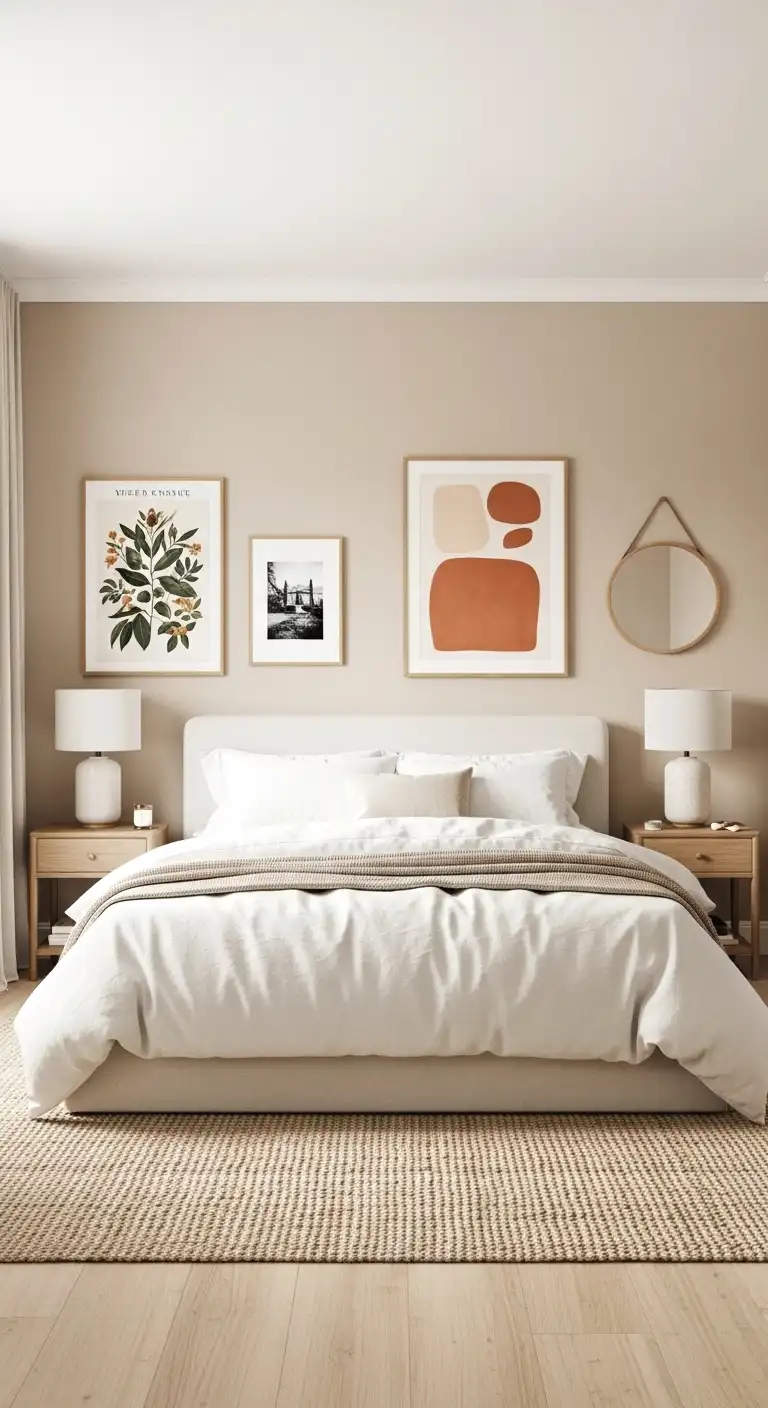
The easiest and most affordable way to give each person their own identity in a shared bedroom is through art. Each person chooses one or two pieces that feel meaningful to them and hangs them on their side of the room. Keep the frames consistent across both sides so the overall wall feels cohesive even when the artwork itself is completely different. One person might hang a botanical print and a black and white photograph. The other might hang an abstract painting and a small mirror. The room tells two stories at once and feels genuinely personal rather than generic.
Key Takeaways
Zone it clearly Defining each person’s side with a nightstand, lamp, and shelf removes the visual chaos that makes shared bedrooms feel stressful.
Storage goes vertical Floor to ceiling wardrobes and under bed drawers double storage capacity without shrinking the floor space either person needs.
Neutral walls, bold beds Keeping walls neutral and putting colour on the bedding gives both people creative freedom without clashing preferences.
Symmetry creates calm Matching lamps, consistent shelf styles, and a shared headboard make the room feel balanced even when each side is styled differently.
Multi-purpose furniture wins Every piece in a shared bedroom should serve at least two functions, since neither person can afford furniture that only does one job.
Soft boundaries work well Curtains, rugs, and bookshelves create zones without walls, giving each person privacy and breathing room in the same space.
Personal art matters Letting each person hang art on their own side makes the room feel genuinely theirs rather than a compromise neither person loves.
Conclusion
A shared bedroom does not have to feel like a negotiation every single day. With the right layout, a clear zoning strategy, and a few smart furniture choices, two people can share one room and both feel genuinely at home in it.
The ideas in this post are not about splitting everything down the middle and calling it done. They are about finding the parts of the room that can be shared beautifully and the parts that should stay personal. A unified headboard, a shared reading corner, matching lamps, and individual art choices can all live together in the same room without any conflict. Start with one or two of these ideas and build from there. A shared bedroom done well is often more interesting and more layered than one designed for just a single person.
What To Do Next
- Agree on one shared neutral palette. Sit down together and choose a base colour you both genuinely like before buying anything new.
- Map out each person’s zone. Decide which side of the bed, which wardrobe section, and which wall space belongs to each person before styling begins.
- Audit your current storage. Work out exactly where things are spilling over and address that first with under bed storage or a vertical shelving unit.
- Add one personal touch each. Let each person choose one piece of art, one plant, or one object that is entirely their own choice for their side of the room.
- Try a soft room divider. If privacy is an issue, hang a ceiling track curtain down the centre of the room for one week and see how much it changes the dynamic.