9 Living Room Designs Small Spaces: Smart Layouts, Multifunctional Furniture, and Stylish Storage
You want a living room that feels bigger, works harder, and still looks good. This article guides you through smart design moves that help you save space, add storage, and keep the room feeling open without giving up style. You will learn practical ideas to make small living rooms more functional and visually spacious.
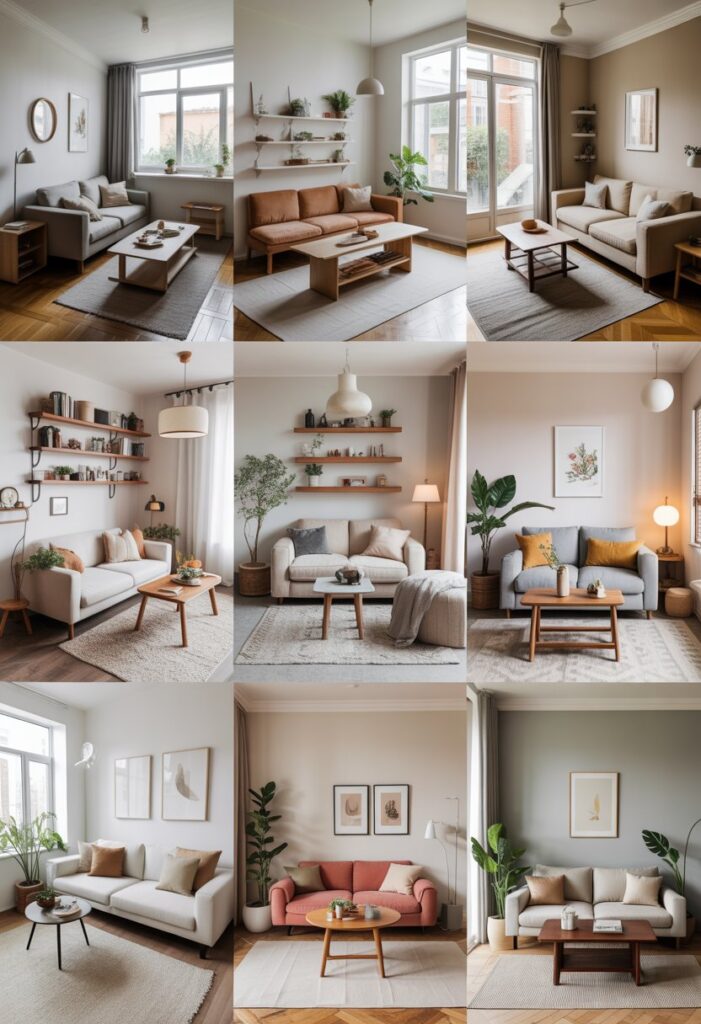
Expect clear options like furniture that pulls double duty, light color choices, smart shelving, and tricks that create depth and airiness. Use these ideas to shape a plan that fits your space, your habits, and your budget.
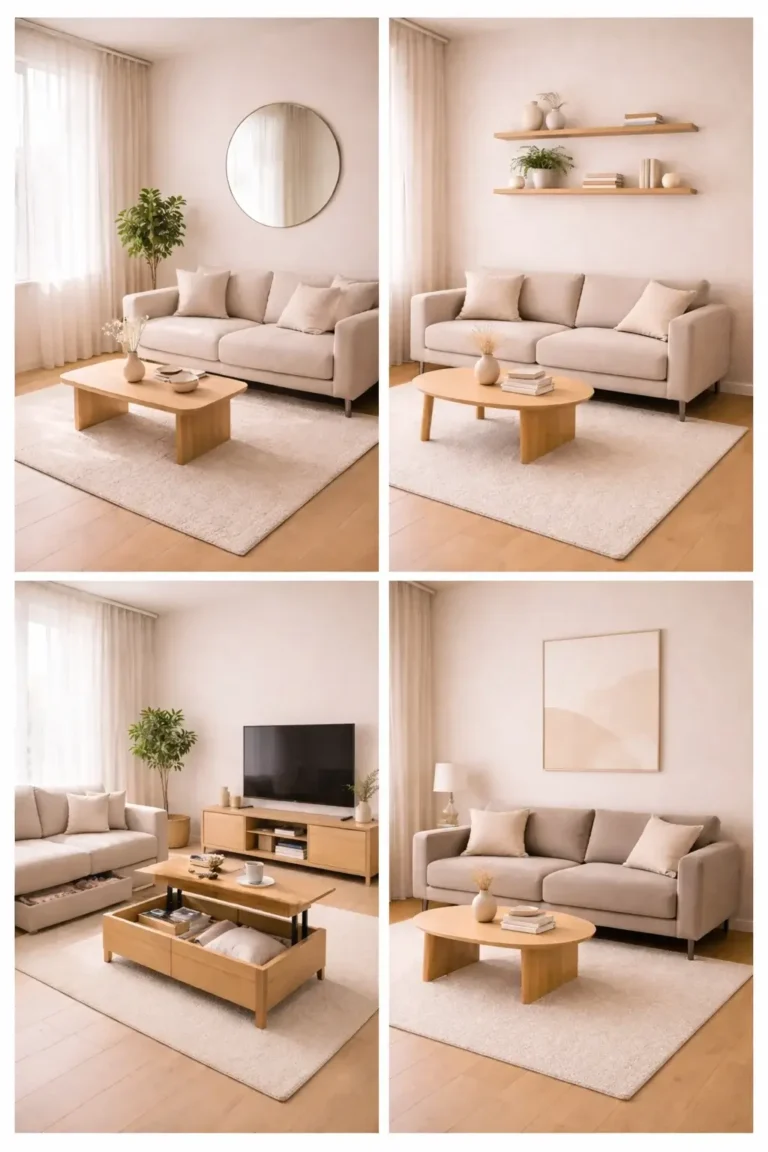
1) Use multi-functional furniture like storage ottomans
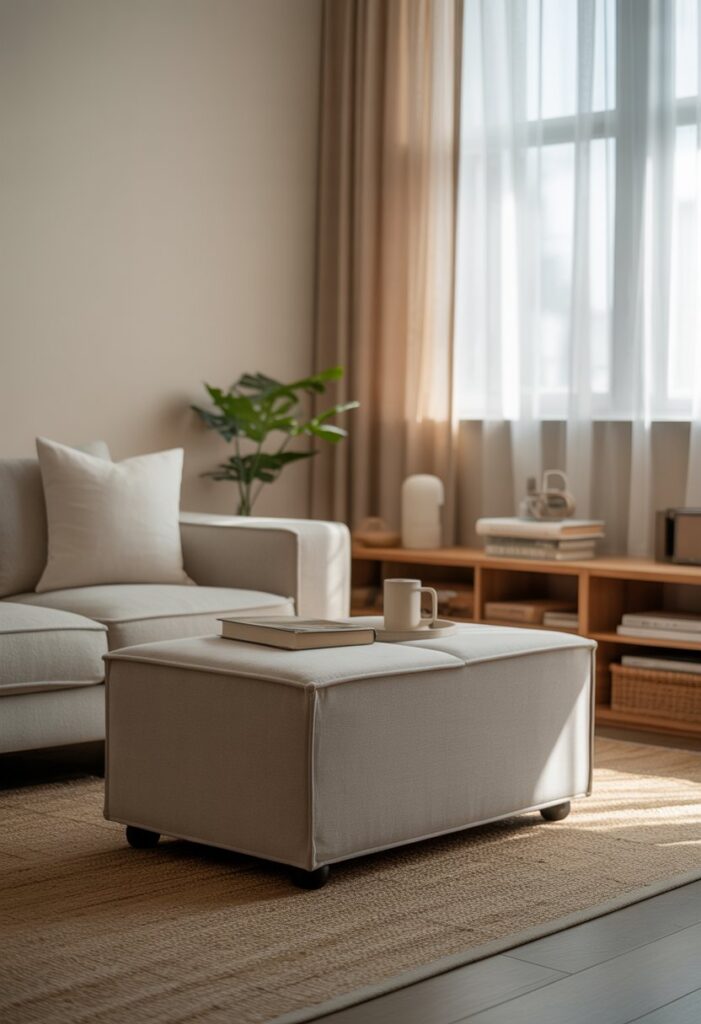
Choose a storage ottoman to add seating and hidden space without crowding the room. You get a place to sit, a coffee-table surface, and stowaway storage for blankets, games, or kids’ toys.
Pick a size and shape that fits your layout. Round ottomans soften corners in tight rooms, while rectangular ones can double as a bench or tray surface.
Look for models with easy-to-open lids and durable fabric. Lift-top ottomans that lock or have gas hinges feel safer and last longer.
Place the ottoman where it can serve multiple roles—near the sofa for extra seating, or in front of a window as a low table. This small change makes your living room feel more organized and flexible.
2) Choose light, neutral wall colors to open up space
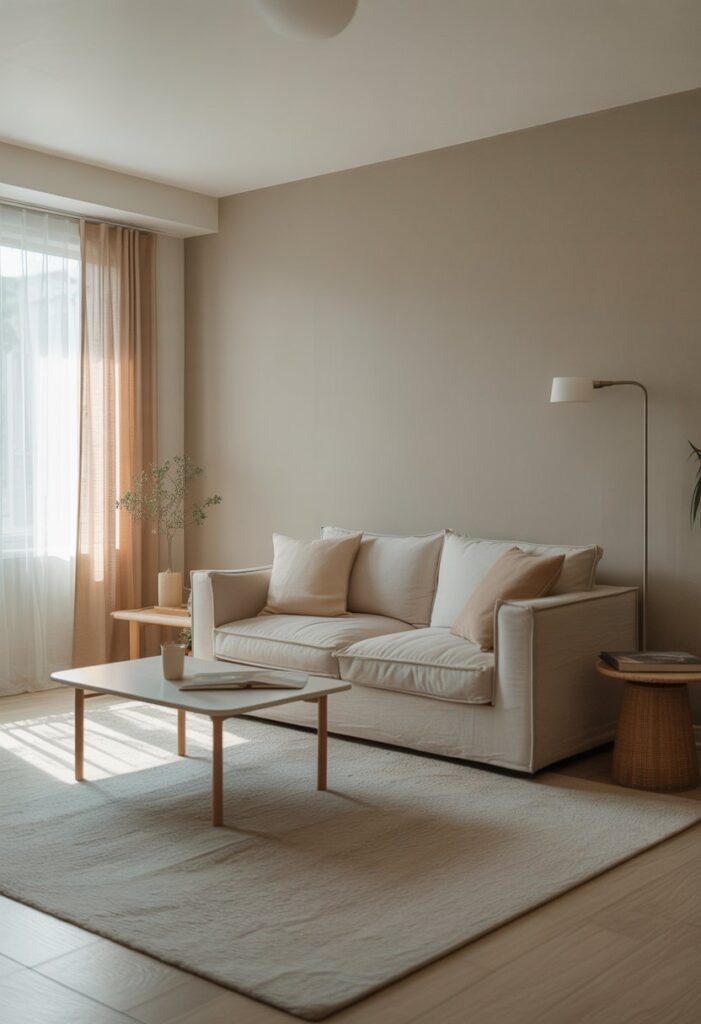
Pick light neutrals like soft whites, warm greige, or pale sage to make your room feel larger. These colors reflect natural light and reduce heavy contrasts that can close in a small space.
Keep walls a single, consistent shade to create visual continuity. That uninterrupted surface helps your eye move across the room, which makes the space seem more open.
Use subtle variations in texture instead of bold color changes. A matte paint finish, a woven rug, or soft linen curtains add depth without fragmenting the room.
Test paint samples on different walls and view them at multiple times of day. Light shifts with the sun, and a color that looks airy at noon might read cooler or darker in the evening.
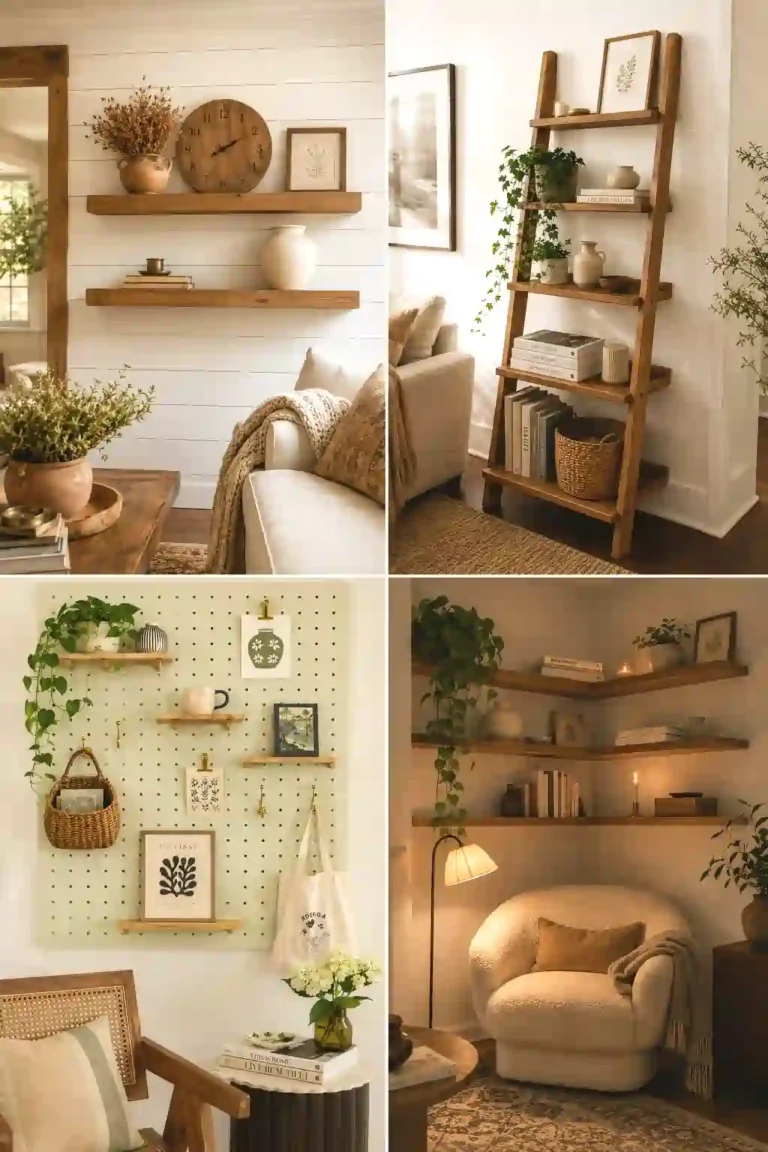
3) Incorporate floating shelves to maximize vertical storage in Living Room Designs Small Spaces
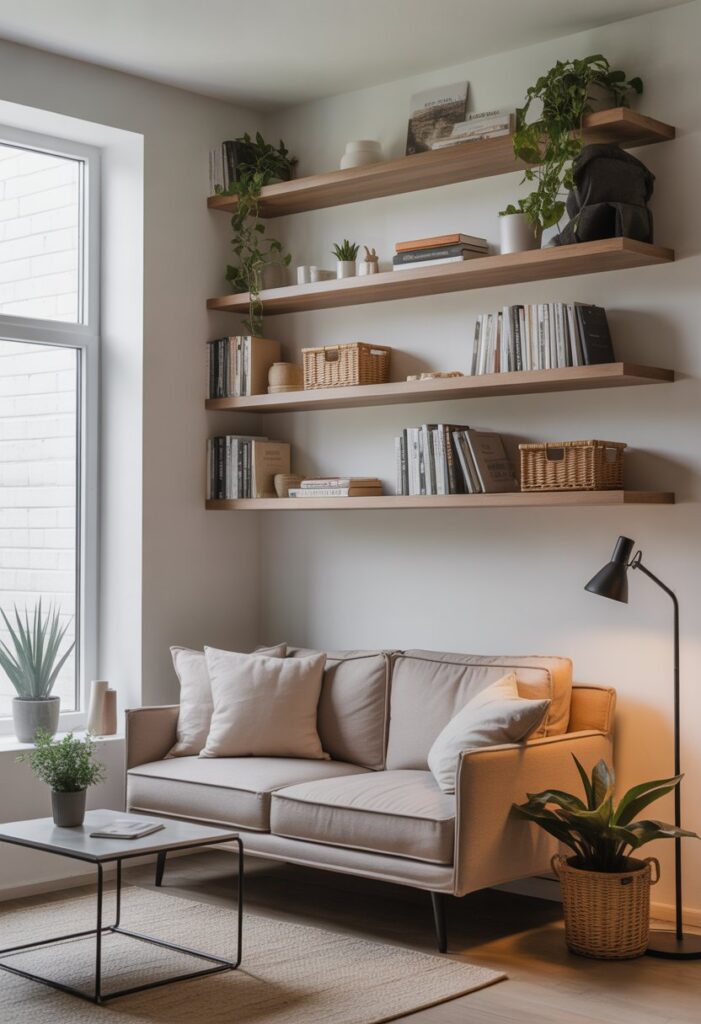
Floating shelves free up floor space by moving storage and display up the walls. You can store books, plants, and small decor without crowding your seating area.
Install shelves at different heights to create visual interest and fit odd wall spaces. Place a narrow shelf above the sofa for framed photos or a row of staggered shelves to form a compact library.
Use corner floating shelves to make use of usually wasted space. They work well for small speakers, candles, or a tidy stack of magazines.
Choose slim, sturdy materials that match your room’s style and keep heavier items near the wall anchors. Keep arrangement simple to avoid a cluttered look and rotate items seasonally to refresh the room.
4) Opt for a slim, streamlined sofa design
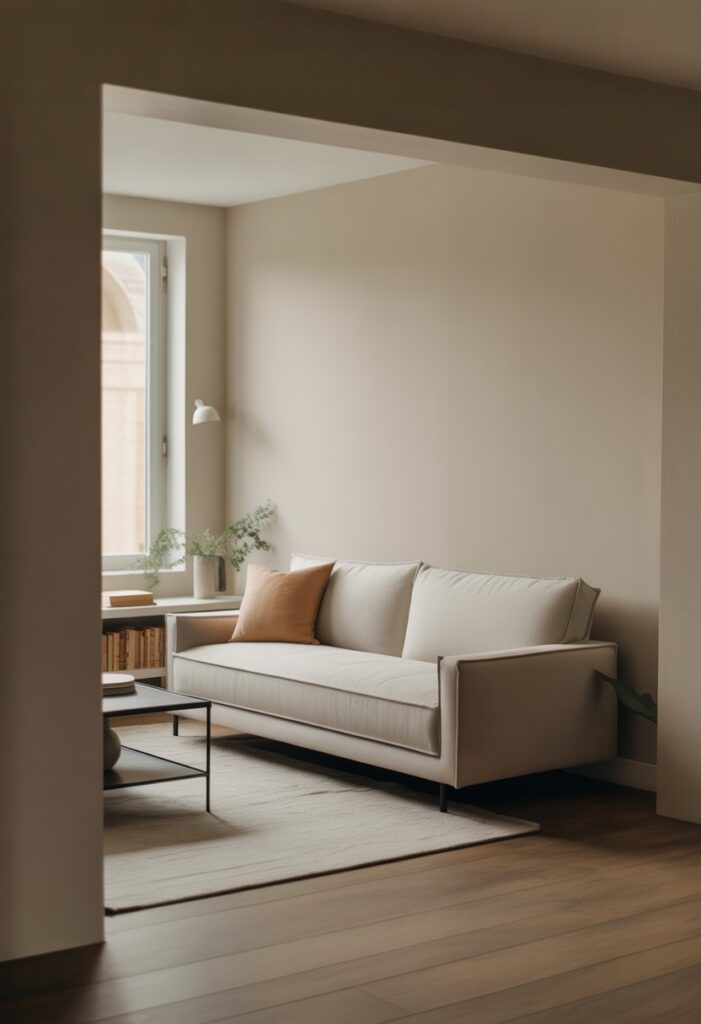
Choose a sofa with narrow arms and a low back to keep your room feeling open. Slim profiles reduce visual bulk and let other elements breathe.
Look for raised legs and exposed space beneath the sofa. That small gap creates a sense of airiness and makes the floor area look larger.
Consider armless or modular pieces that sit close to the wall. They let you place other furniture nearby without crowding the room.
Pick clean lines and simple upholstery to avoid a heavy look. Neutral colors or light fabrics help maintain a calm, spacious feel.
If you need extra function, choose a slim sofa with built-in storage or a pull-out bed. These options add usefulness without taking more floor space.
5) Use mirrors strategically to create an illusion of depth
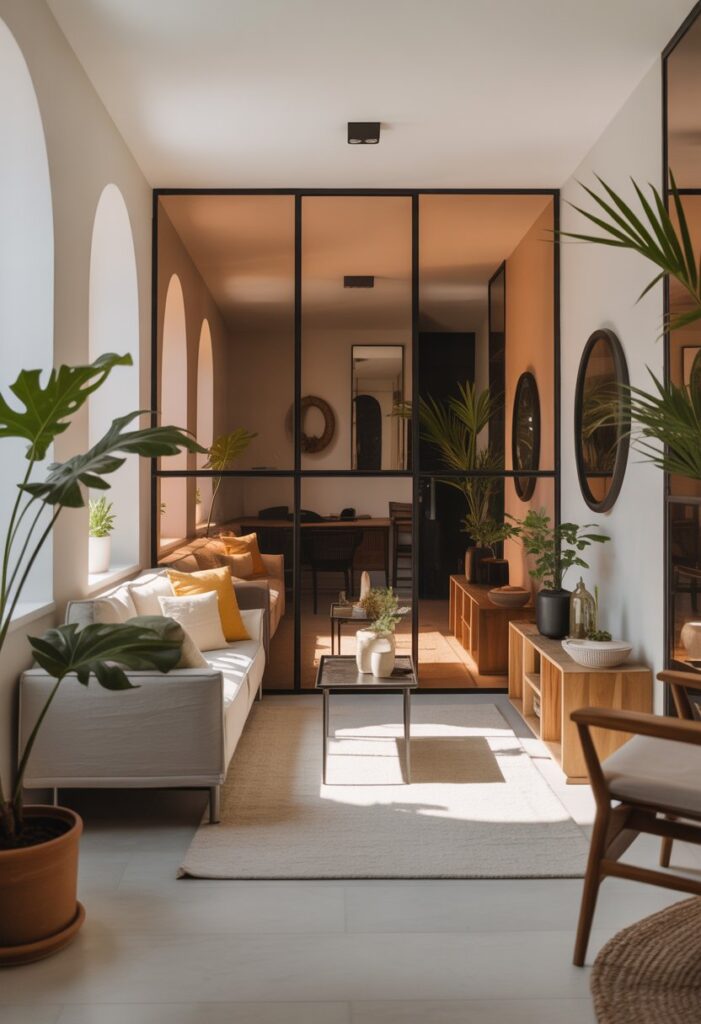
Place a large mirror opposite a window to reflect natural light and make the room feel brighter. This simple swap can open up the space without costly renovations.
Lean a full-length mirror against a wall to add height and a sense of depth. It works well behind a slim console or near a seating area to double visual space.
Group smaller mirrors on one wall to create a focal point and break up solid surfaces. Vary shapes and frames for interest, but keep the overall layout balanced.
Angle mirrors to reflect key features, like artwork or a plant, rather than clutter. That directs the eye and makes your living room feel more layered and intentional.
Choose thin frames or frameless styles in very small rooms to avoid visual weight. Mirrors that echo other finishes in the room will tie the look together without overwhelming the space.
6) Add built-in floor-to-ceiling shelving units
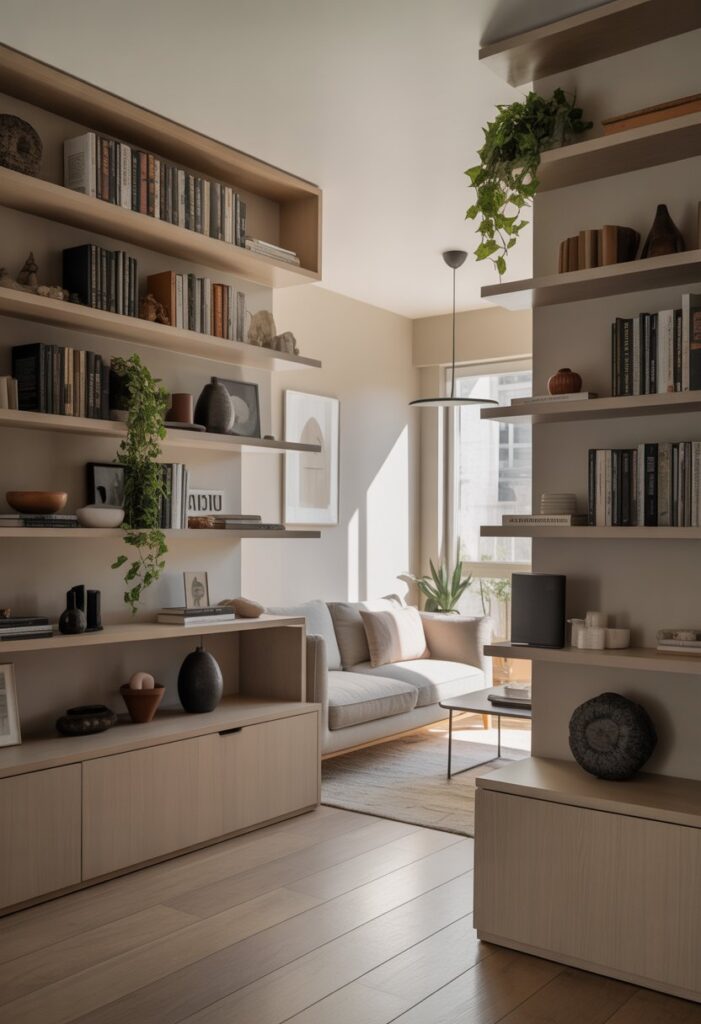
Built-in floor-to-ceiling shelves use vertical space so your floor stays open. You get lots of storage without bulky furniture crowding the room.
Place shelves around a TV or fireplace to make a neat focal wall. Open shelves show decor and books, while closed cabinets hide clutter.
Use a mix of open and closed sections for balance and function. Paint the built-ins the same color as the wall to make the room feel taller and calmer.
If you rent, consider freestanding tall units that sit on a short platform or attach with minimal hardware. That gives a similar look without permanent changes.
Keep shelving depth shallow in narrow rooms to avoid blocking flow. Arrange items in small groupings to keep the display tidy and visually light.
7) Select furniture with exposed legs for an airy feel
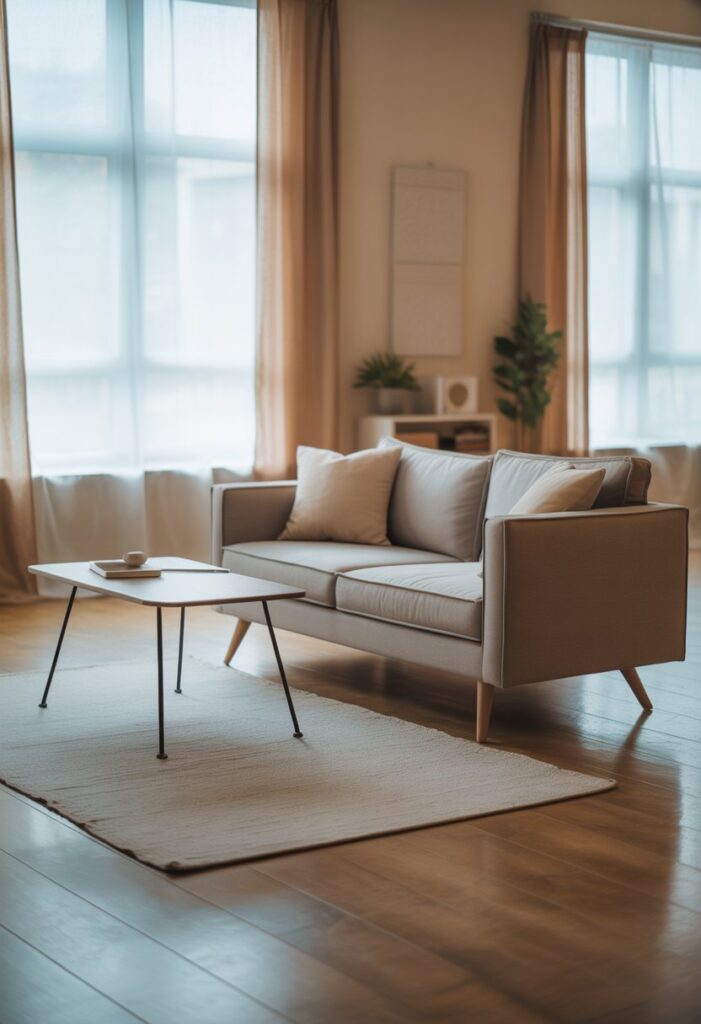
Choose sofas, chairs, and tables that show their legs so you can see more floor. That visible space makes the room feel larger and less crowded.
Exposed legs create a light, open look without changing floor plan or paint color. Metal or slim wooden legs work well in small rooms.
Keep proportions in mind: low, raised pieces keep sightlines clear. Avoid bulky bases that block the view across the room.
You can mix pieces with and without exposed legs, but keep most items lifted. That balance keeps comfort while preserving an airy feel.
8) Integrate hidden storage within coffee tables
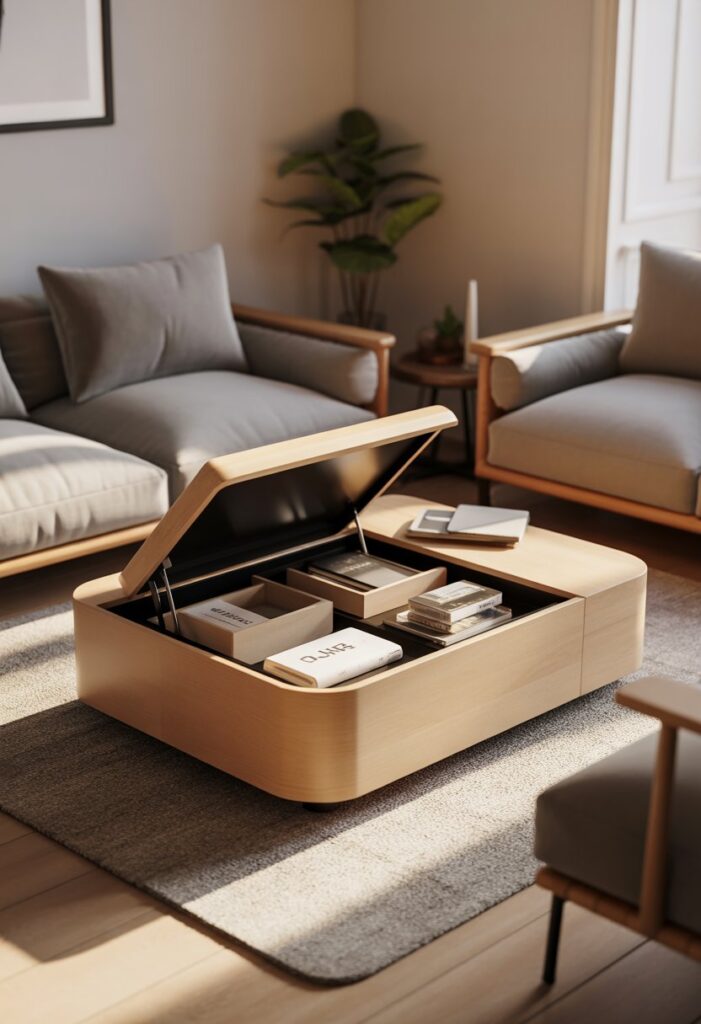
Choose a coffee table with a lift-top or flip-top to keep remotes, books, and chargers out of sight. These designs give you a flat surface when you need it and a storage cavity when you don’t.
Look for tables with drawers, sliding panels, or nested sections for extra organization. Small items like coasters and pens stay tidy, while larger pieces like blankets fit in deeper compartments.
Match the table style to your room so storage doesn’t shout for attention. A simple Scandinavian or modern design blends with most decors and keeps the space feeling open.
If you like DIY, convert an old table by adding a hinge and a box inside. This saves money and lets you choose the exact size of the hidden compartment.
9) Limit bulky decor to maintain openness
You want your small living room to feel open and calm. Choose a few well-made pieces instead of many heavy items that crowd the floor.
Keep large, bulky decor out of sight or off the floor. Use wall-mounted shelves, slim consoles, or tall narrow cabinets to store things without taking up much footprint.
Pick low-profile furniture and thin frames for items like mirrors and picture frames. Transparent materials such as glass or acrylic reduce visual weight and let light pass through.
Limit large patterned textiles and excessive cushions. A simple palette and a few carefully placed accents keep the room airy and balanced.
Edit regularly. Remove items you don’t use and rotate decor to avoid clutter buildup. This habit preserves openness and makes the space easier to clean.
Maximizing Space and Functionality
You can make a small living room work hard without feeling crowded. Focus on clearing walking paths, choosing furniture that does more than one job, and using walls and corners for storage and display.
Open Floor Plans for Small Living Rooms
An open layout creates sightlines that make your room feel larger. Remove excess partitions and position larger pieces so they don’t block pathways. For example, place a slim sofa parallel to the longest wall instead of floating it in the middle.
Use rugs to define zones — a 5×8 rug under seating and a smaller one under a reading chair helps separate functions without walls. Keep traffic paths at least 24–30 inches wide so people can move comfortably.
Choose low-profile furniture to keep sightlines open. Replace a bulky entertainment console with a wall-mounted TV and a narrow media shelf. Let natural light flow by using sheer curtains or no curtains on windows you don’t need privacy for.
Choosing Dual-Purpose Furniture
Pick items that combine storage and seating to cut clutter. Examples: an ottoman with internal storage, a coffee table with drawers, or a bench that holds blankets and shoes.
Use a sleeper sofa or a daybed if you need occasional guest sleeping space. A nesting table set gives you extra surface area when guests arrive and tucks away afterward.
Create work zones with furniture that folds or stows. A wall-mounted drop-leaf table or a fold-down desk saves floor space and still gives you a full work surface when needed. Label key needs (sleeping, storage, display) and match each need to one dual-purpose piece.
Effective Use of Vertical Space
Install shelves up the wall to move storage off the floor. Start shelving about 12–18 inches above furniture tops so you don’t crowd seating, and use multiple short shelves rather than one long high shelf for easier access.
Use tall, narrow bookcases and closed cabinets to maximize storage without taking much floor area. Mount hooks and pegboards behind doors or near entry points for keys, bags, and coats.
Place lighting high — wall sconces or picture lights — so floor lamps don’t eat space. Hang a slim rail with baskets or planters to add storage and greenery without blocking your floor plan.
Enhancing Small Living Room Design
Use light colors, layered lighting, and mirrors to make your room feel larger and brighter. Focus on paint choices, lamp placement, and reflective surfaces that increase depth without crowding the floor.
Color Schemes That Create the Illusion of Space
Choose a light, consistent palette across walls, ceiling, and large furniture to make your room read as one continuous space. Whites, very pale grays, and soft beiges work well; paint the ceiling one shade lighter than the walls to raise perceived height.
Use one or two accent colors sparingly to add interest without breaking the visual flow. For example, a muted blue throw pillow and a small rug in the same tone tie the room together. Keep large patterns off big pieces—opt for solid upholstery and small-scale patterns on cushions or art.
Create contrast with trim and door frames in a slightly darker or complementary color to define edges without shrinking the room. Matte or eggshell finishes reduce glare while subtle satin highlights architectural features.
Strategic Lighting Solutions
Layer three types of light: ambient (overhead), task (reading, desks), and accent (art, shelves). Place a floor lamp beside seating and a table lamp near a reading spot to avoid relying solely on harsh ceiling lights.
Use LED bulbs with a warm color temperature (2700K–3000K) for cozy light and higher lumens where you need clarity. Dimmer switches let you change mood and perceived depth.
Place lighting to brighten corners—tall lamps or uplighters push light onto walls and ceilings, which opens the space. Recessed lights or narrow-track fixtures avoid bulky fixtures that can clutter sightlines.
Incorporating Mirrors and Reflective Surfaces
Hang a large mirror opposite a window to double natural light and extend the view. Position it so it reflects an attractive part of the room, not clutter or empty wall.
Use narrow mirrored panels or a gallery of small mirrors to add depth without heavy frames. Reflective furniture—like a glass coffee table or lacquered side table—keeps surfaces light and visually unobtrusive.
Avoid too many shiny metallics in one spot; place reflective pieces across the room to balance brightness. Keep mirrors clean and simple-framed for a tidy, modern look that helps the room feel larger.
Frequently Asked Questions
This section gives clear, practical answers you can use right away. Expect tips on furniture, color, storage, layout, TV placement, and visual tricks that fit small living rooms.
How can I maximize the space in a small living room?
Pick multi-functional pieces like a storage ottoman that doubles as seating and a coffee table.
Use floating shelves to keep the floor clear and store books, baskets, or decor vertically.
Keep traffic paths open by placing furniture against walls when possible.
Choose a slim, streamlined sofa to save depth without losing seating.
What are some elegant design tips for small living room areas?
Use light, neutral wall colors such as warm white or soft beige to reflect light and make the room feel larger.
Limit patterns and choose one focal accessory, like a single textured rug or an art piece, to avoid visual clutter.
Add a few metallic or glass accents to keep the look refined without adding bulk.
Use matching tones for large items to create a cohesive, calm feel.
How should I arrange my furniture in a small living room for the best layout?
Place the sofa along the longest wall or facing a focal point like a window to open up circulation.
Use area rugs to define seating zones and keep pieces grouped together for better flow.
Angle a slim side chair or use nesting tables to allow flexible seating.
Keep at least one clear path from the door through the room.
What are cost-effective ways to decorate a small living room on a budget?
Buy a few multi-use items—an ottoman with storage and nesting tables cover multiple needs.
Shop secondhand for a slim sofa or small accent chairs to save money.
Paint walls a light neutral yourself for a major visual upgrade.
Use inexpensive mirrors and DIY floating shelves to add style and storage cheaply.
How can I incorporate a TV into my small living room without it feeling cluttered?
Mount the TV on the wall to free floor space and use a narrow media shelf beneath for minimal storage.
Choose a TV size that matches your viewing distance; smaller screens keep the room balanced.
Hide cables with simple cord channels or behind the wall options.
Use a slim cabinet or storage ottoman nearby to hold remotes and small electronics.
What simple design strategies can make a small living room appear more spacious?
Place a large mirror opposite a window to reflect light and deepen the room visually.
Keep furniture legs visible and choose pieces with slim profiles to create a sense of openness.
Stick to a limited color palette and repeat a few materials to unify the space.
Clear surfaces and vertical storage make the room feel less crowded.