10 Living Room With Dining Table Zoning Ideas That Feel Organized and Stylish
Open-plan spaces look amazing in photos. But living in one is a different story. When your sofa and your dinner table share the same four walls, things can start to feel chaotic fast. Where does one space end and the other begin? That tension is real, and it bothers more people than you might think.
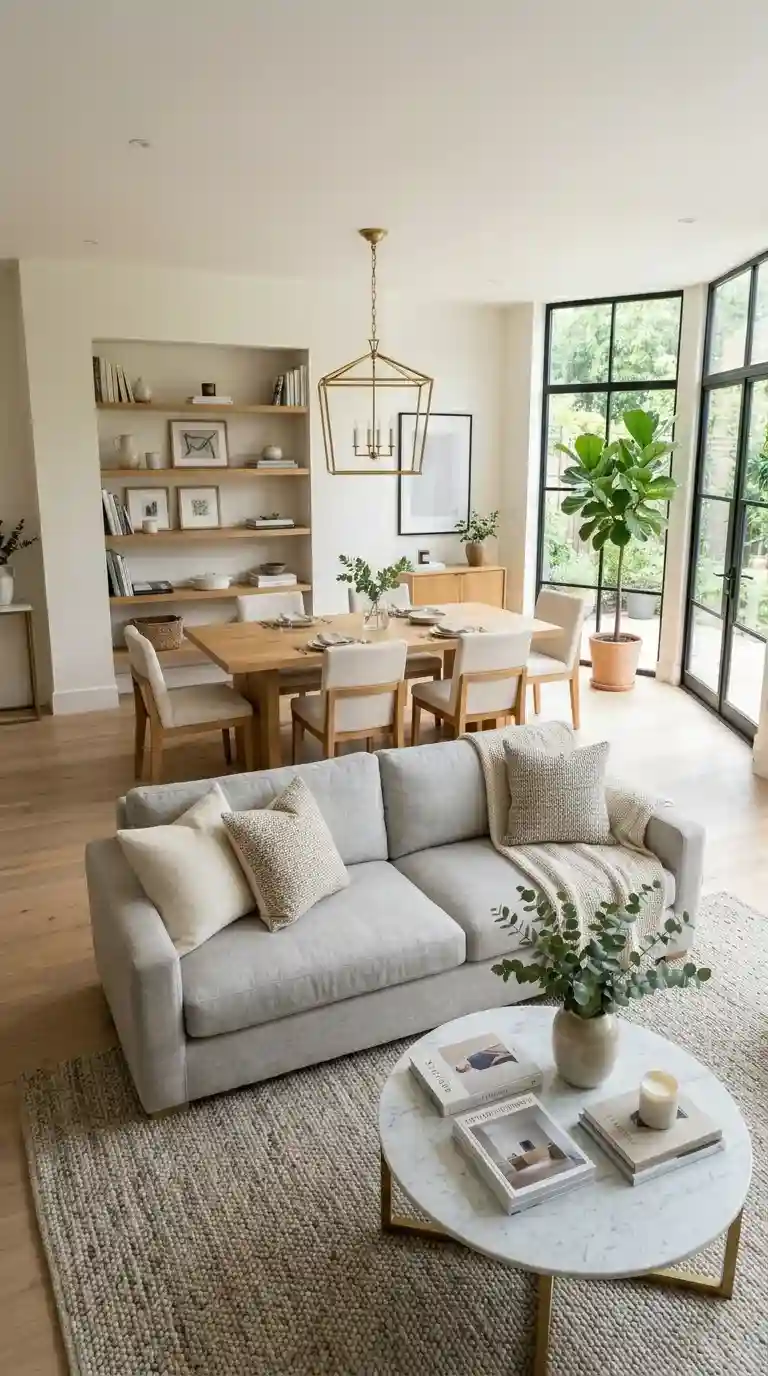
Here is the good news. You do not need walls, a renovation, or a bigger home to fix it. You just need the right zoning strategy. This post walks you through ten genuinely fresh ideas for styling a living room with dining table in a way that feels intentional, organized, and beautiful. Each idea is practical, visually strong, and works across different home sizes and budgets.
1. The Rug Boundary Trick That Instantly Separates Two Zones
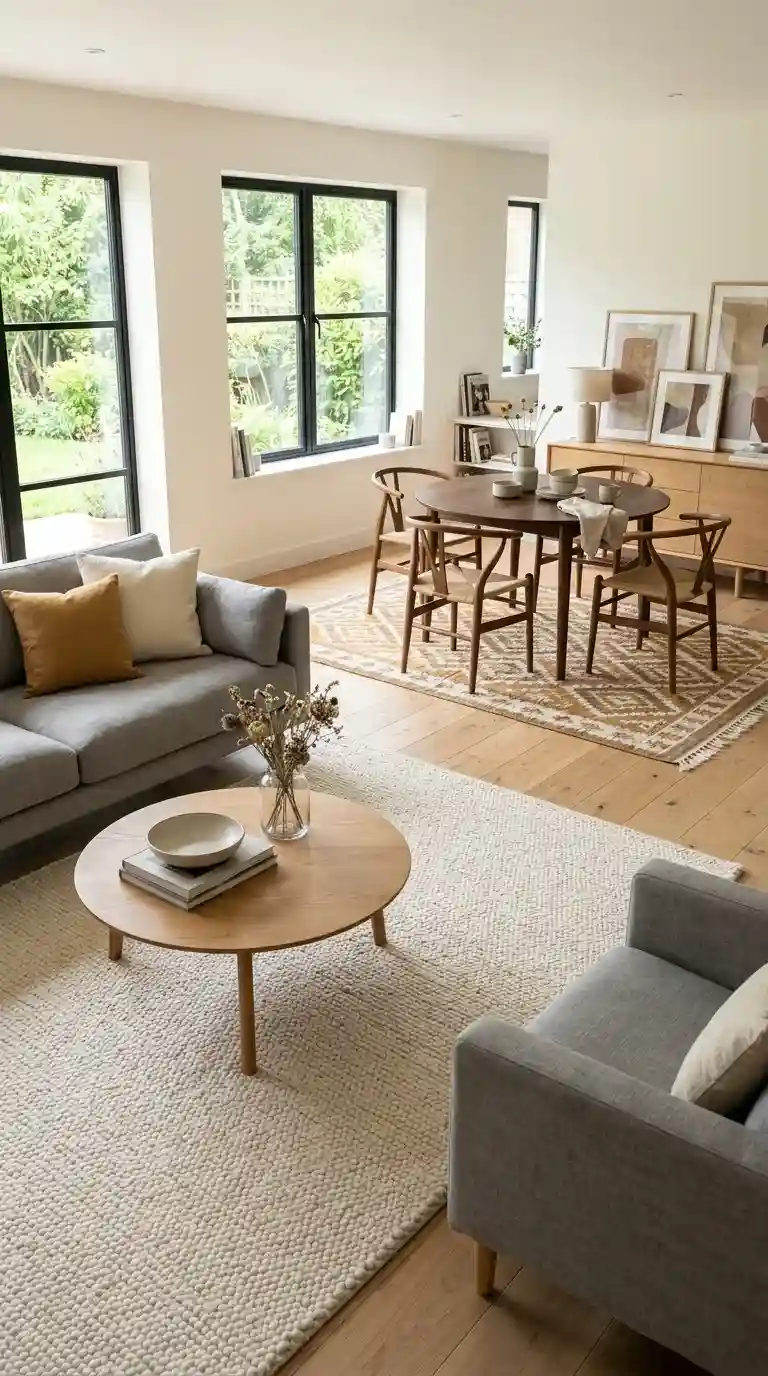
Two rugs are better than one in a shared space. Place one large rug to anchor your seating area and a second, smaller rug under the dining table. The moment you do this, the room reads as two distinct zones without a single wall involved. Keep the rugs in the same color family but vary the texture or pattern slightly. This creates visual connection while still marking each space as its own. It is one of the simplest and most effective ways to make a living room with dining table feel considered rather than crowded.
2. A Console Table Placed as a Room Divider
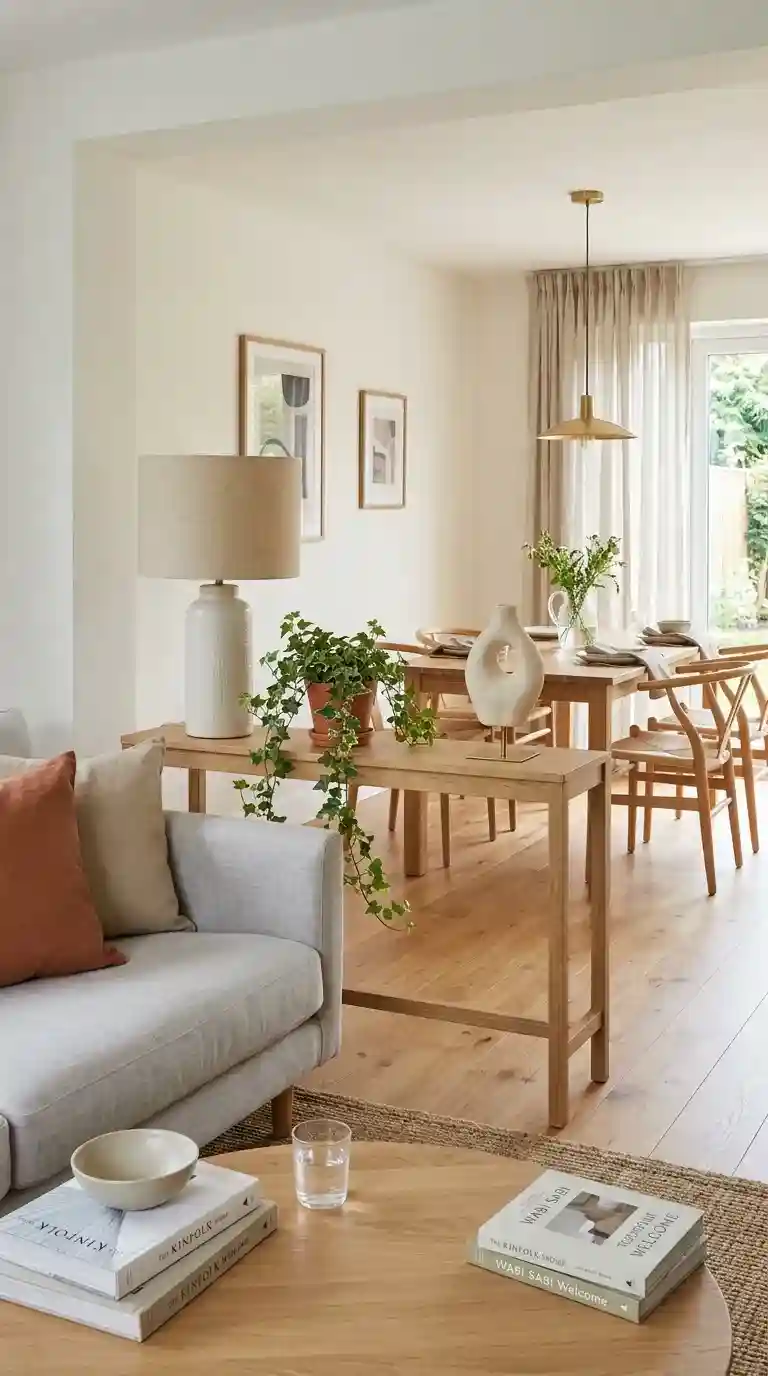
A slim console table positioned with its back facing the dining area creates a soft visual boundary between zones. Style the top with a lamp, a small plant, and a decorative object or two. From the living room side it looks like a pretty vignette. From the dining side it signals a clear separation. This works especially well in longer rectangular rooms where the two zones sit end to end. No furniture needs to be pushed against a wall and the room keeps its open, airy feel throughout.
3. Pendant Lighting That Claims Each Zone
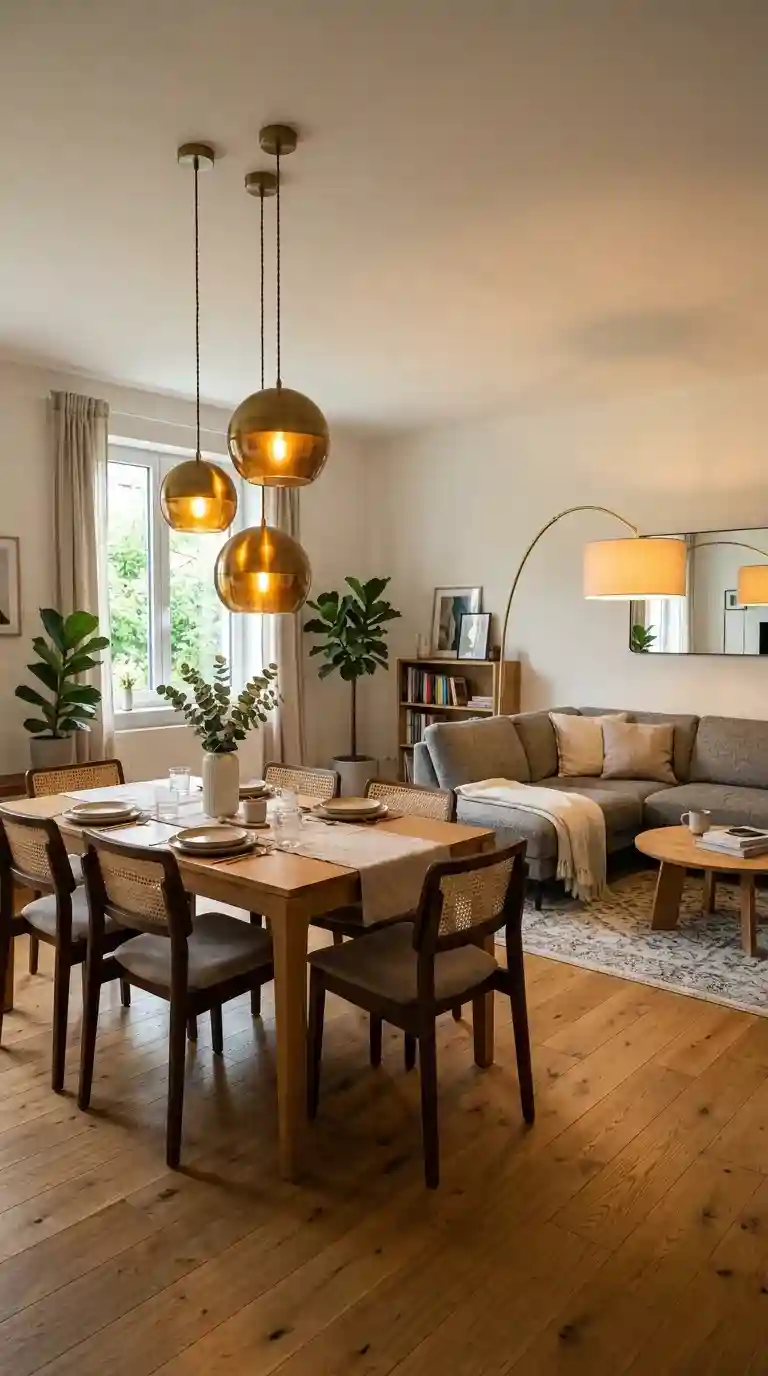
Lighting is one of the most underused zoning tools in open-plan spaces. Hang a statement pendant or a cluster of lights directly above the dining table. Then use a floor lamp or a pair of wall sconces to light the seating area separately. When each zone has its own light source, the brain naturally reads them as separate spaces. This works day and night. Even in daylight, the positioning of fixtures tells the eye where one space starts and another begins. It is architecture without the construction bill.
4. Facing the Sofa Away From the Dining Table
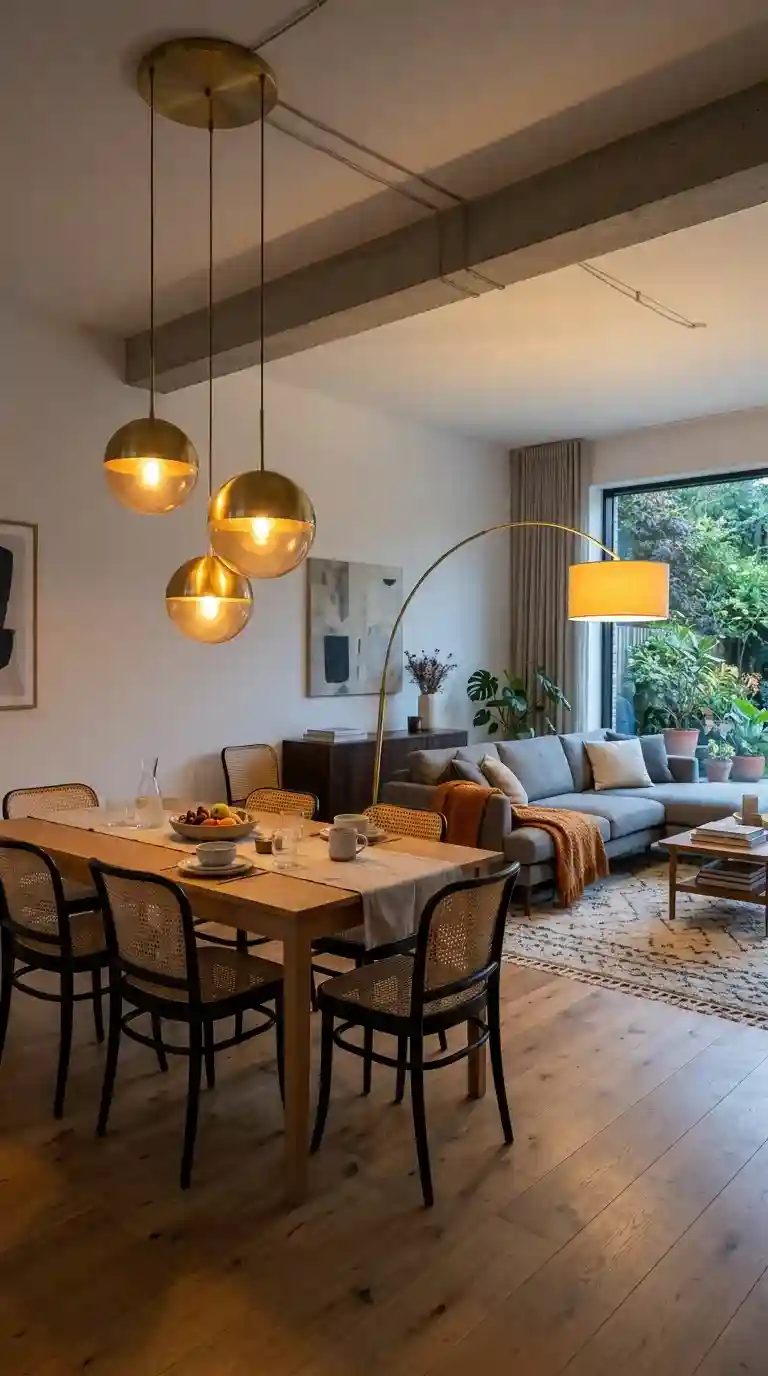
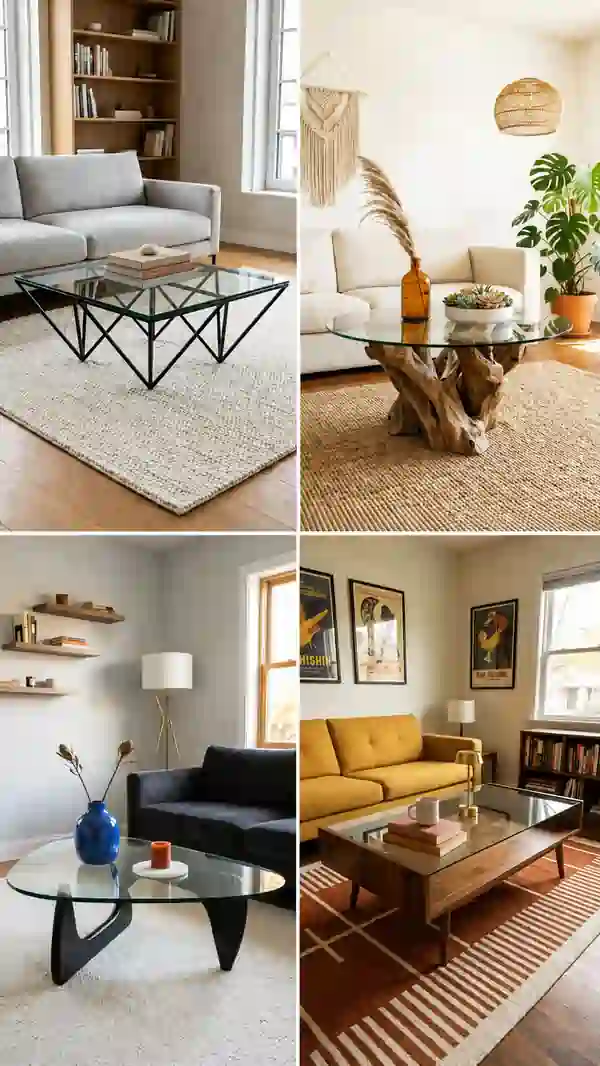
This one sounds obvious but it gets overlooked constantly. The direction your sofa faces does a lot of the zoning work for you. Position it with its back toward the dining area rather than angling it to face the table. This creates an immediate psychological separation. The living zone now feels enclosed and intentional. The dining area sits behind it as its own world. Pair this with a marble coffee table living room piece placed in front of the sofa to fully anchor the seating zone and give it a grounded, finished look.
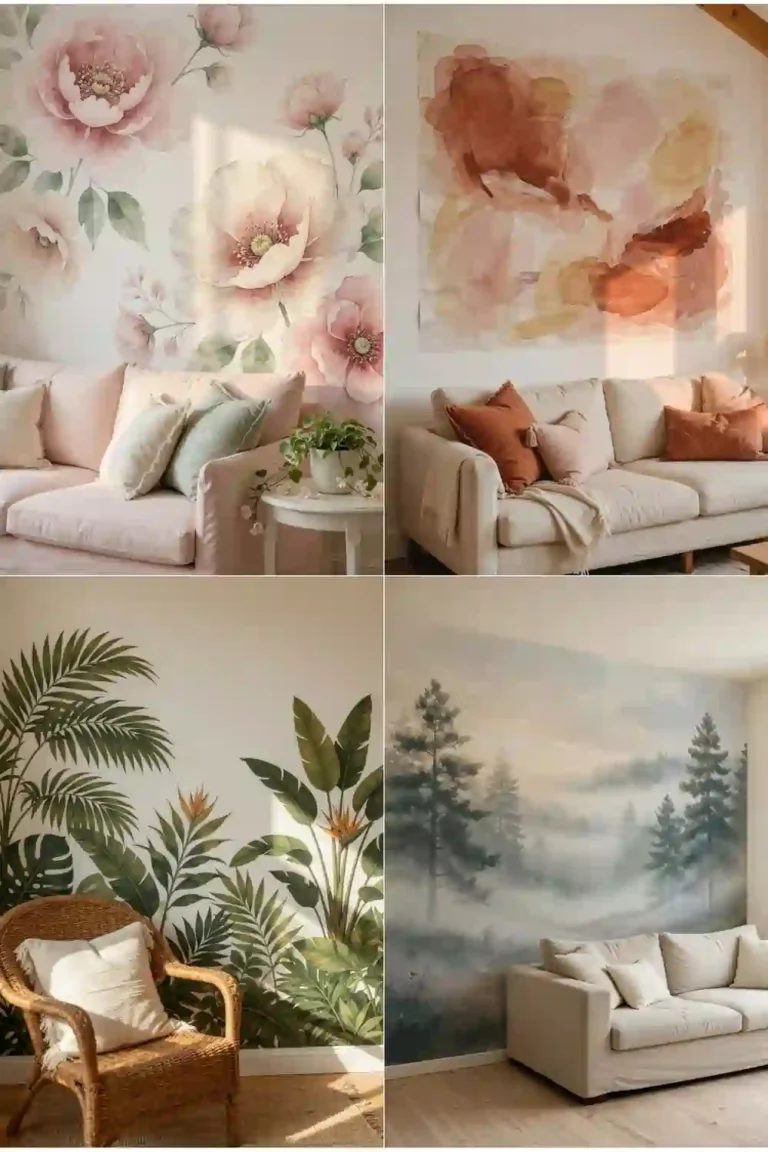
5. Color Zoning With Paint or Wallpaper Panels
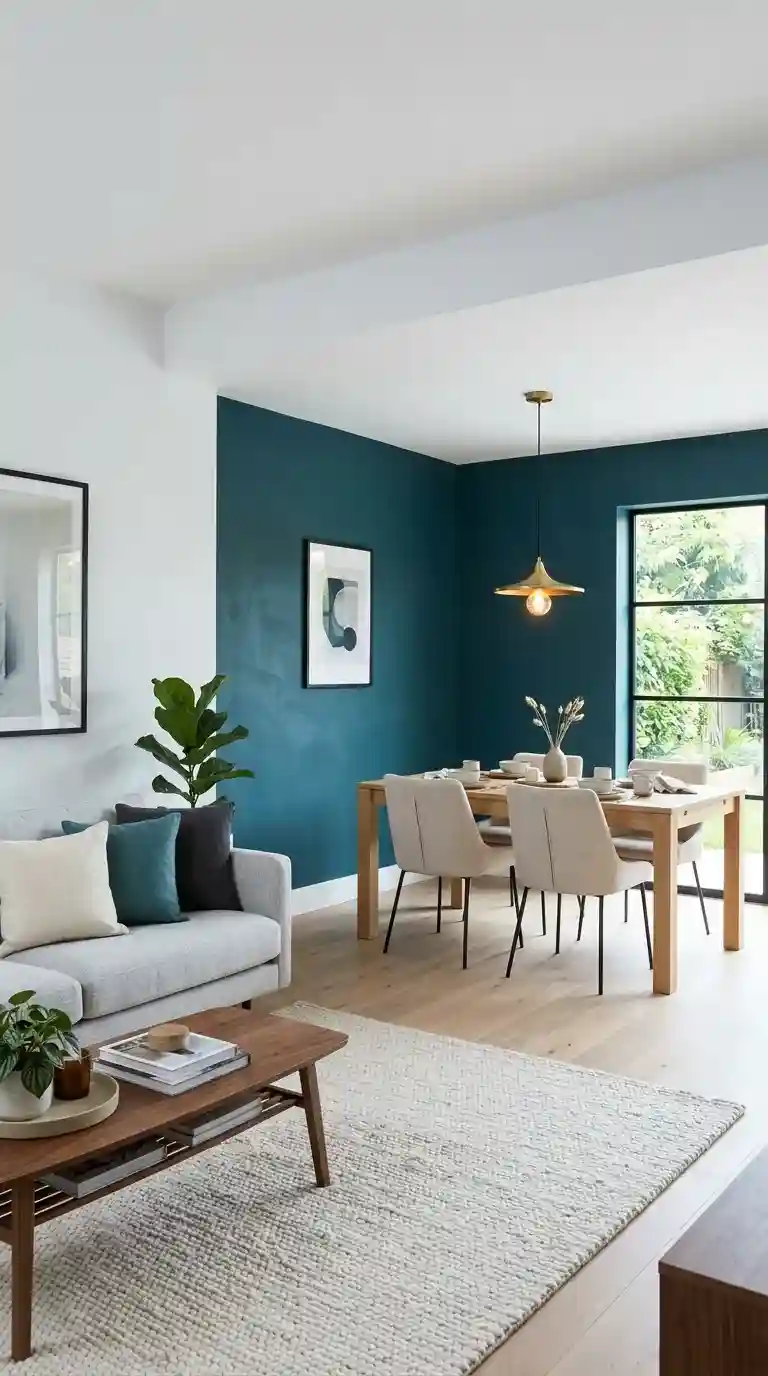
You do not need to paint entire walls to use color as a zoning tool. A single painted accent wall or a panel of wallpaper behind the dining table instantly claims that area as its own space. Choose a color or pattern that complements the rest of the room but reads as distinct. Deep teal, warm terracotta, or a botanical print all work beautifully. The living area stays neutral and light. The dining zone gets its own personality. This approach makes a living room with dining table feel like a thoughtfully designed home rather than a compromise.
6. Open Shelving as a Partial Room Divider
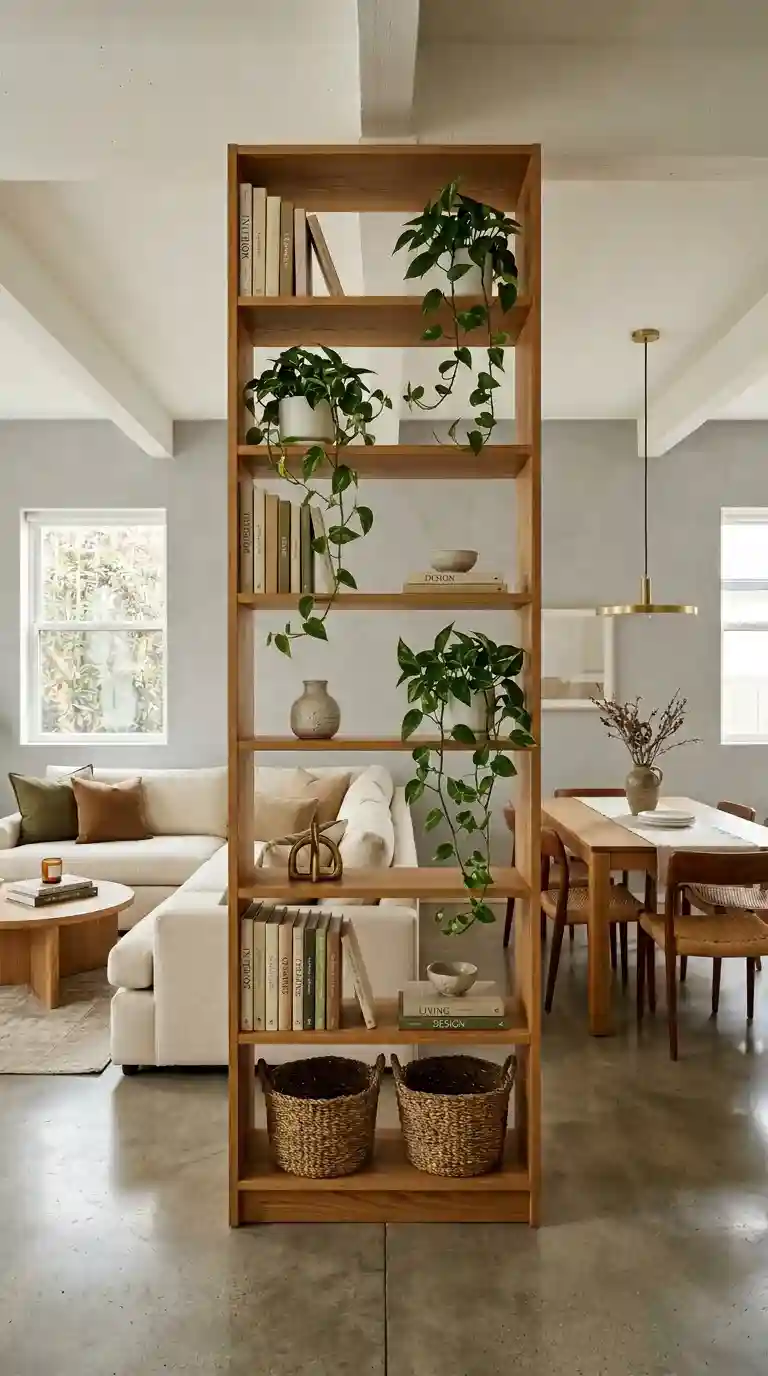
A freestanding open bookshelf or a set of staggered floating shelves placed between the two zones creates separation without blocking light or sight lines. Style the shelves with a mix of books, plants, baskets, and a few decorative objects. The gaps between objects let light pass through while the structure itself defines the boundary. This approach also solves the storage problem that open-plan living rooms often face. Everything has a place and the room feels layered and lived-in without tipping into clutter.
7. Matching Furniture Finishes to Visually Connect the Zones
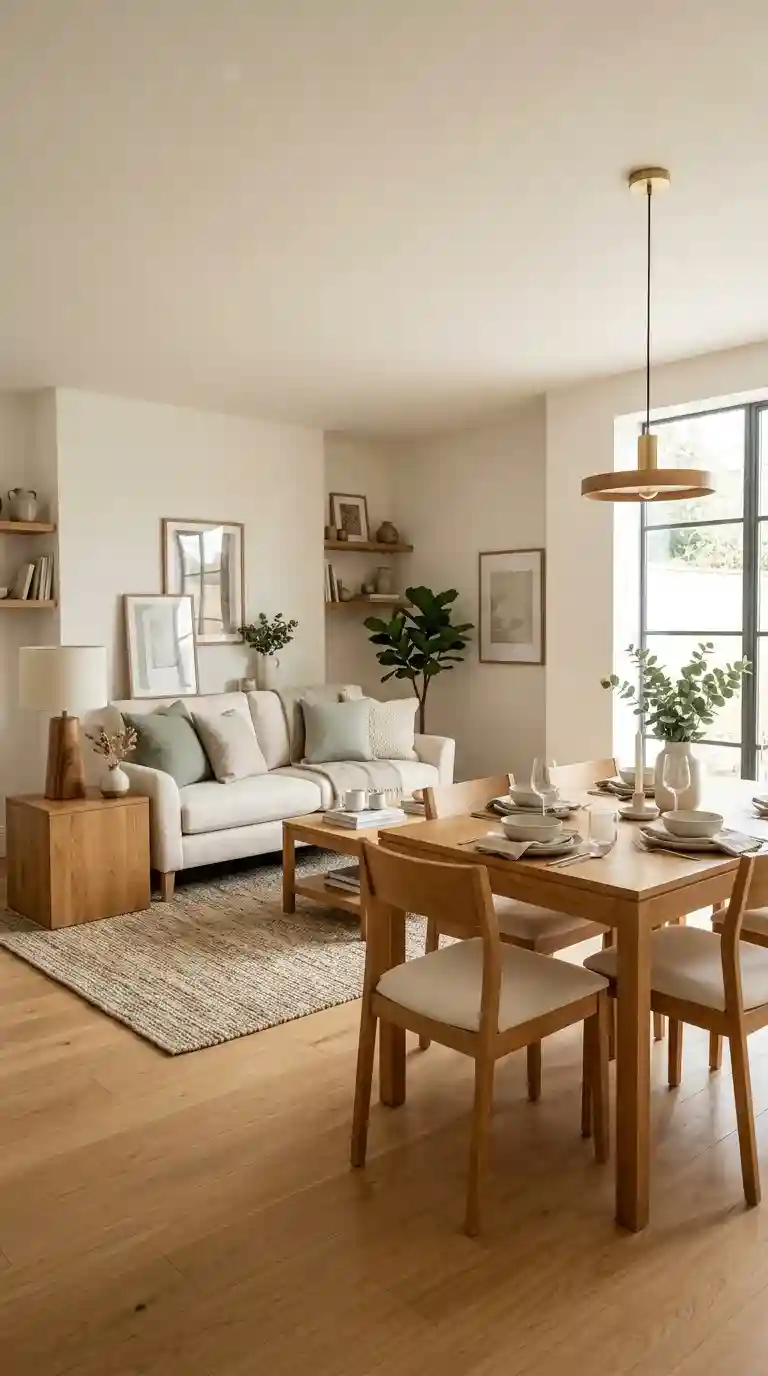
Separation does not mean disconnection. One of the smartest moves in a combined space is choosing furniture with matching or complementary finishes across both zones. If your dining chairs have wooden legs, bring that same wood tone into a side table or lamp base in the living area. This creates a visual thread that ties the whole room together. The zones feel distinct in function but unified in style. It is the difference between a room that looks pulled together and one that feels like two separate furniture sets forced to coexist.
8. A Glass Dining Table to Keep the Space Feeling Open
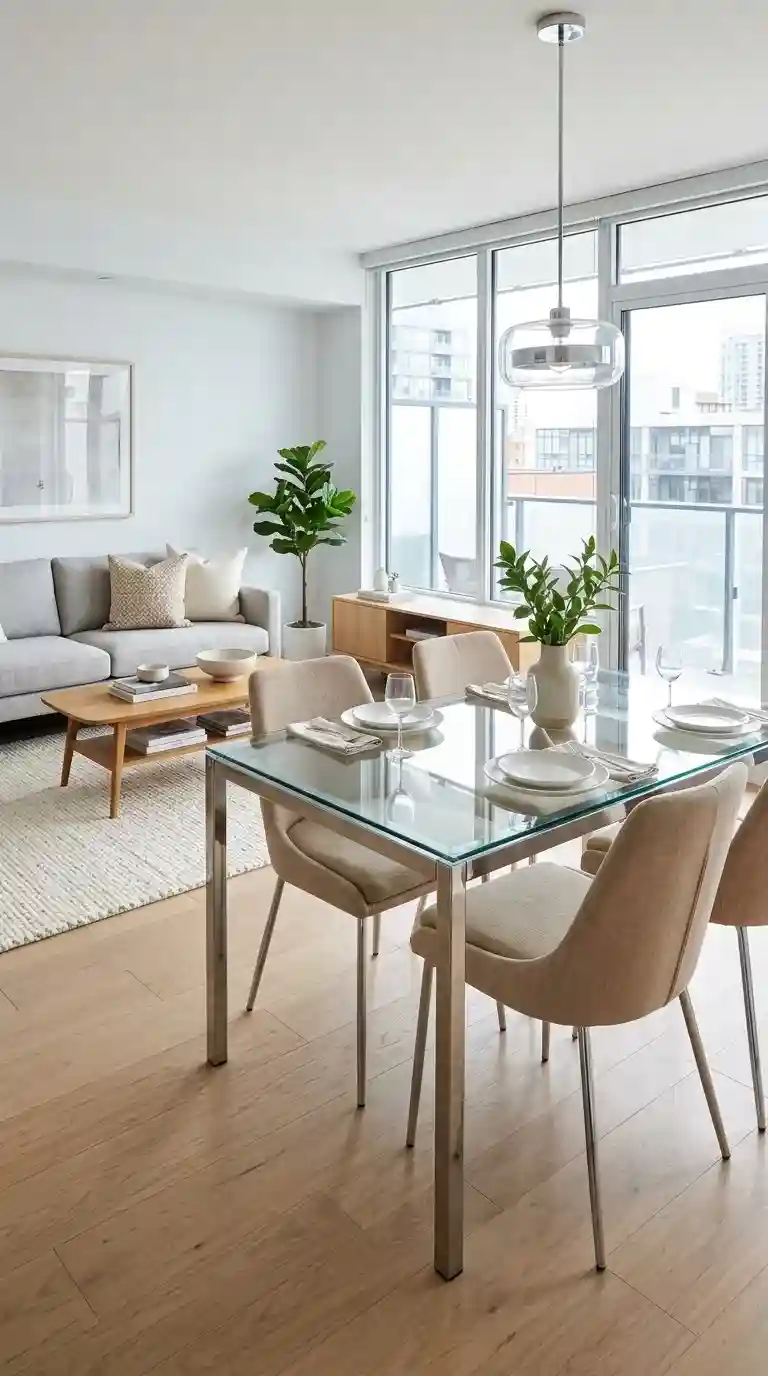
In smaller combined rooms, visual weight matters enormously. A glass-top dining table takes up physical space but almost none of the visual kind. The living area behind it stays fully visible, which makes the whole room feel larger and more connected. Style the table with upholstered chairs in a soft neutral to add warmth without adding visual noise. For styling ideas that complement this kind of lightweight approach, these glass table living room ideas show exactly how to make transparency work as a design feature rather than a compromise.
9. Plants Used as Living Zone Markers
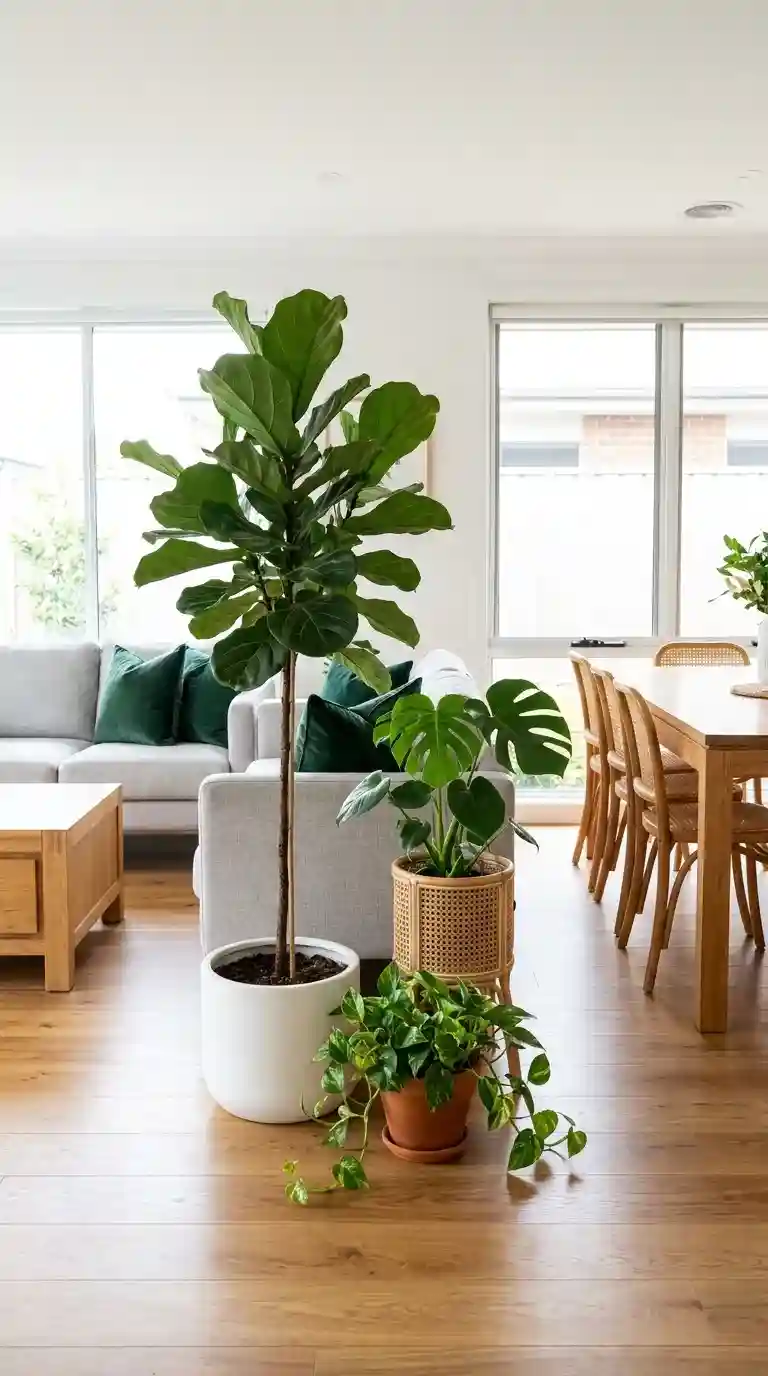
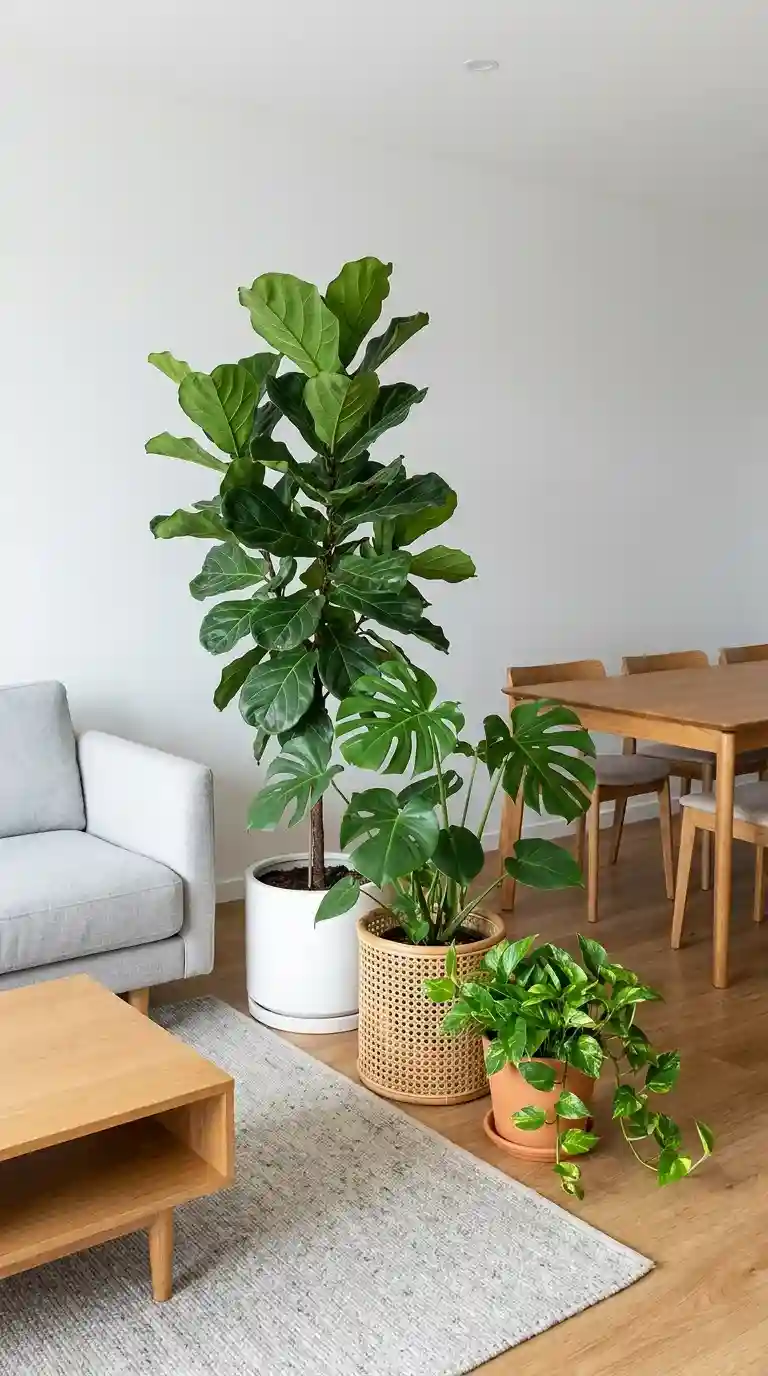
A row of tall plants placed between the seating and dining areas does something no piece of furniture quite replicates. It brings life, softness, and a natural boundary all at once. Use plants of varying heights for the most interesting effect. A tall fiddle leaf fig, a medium monstera, and a trailing pothos at a lower level create a layered green screen that guides the eye without blocking it. This approach works in every style from modern minimal to maximalist bohemian. Plants also improve the air quality and mood of the whole space.
10. Gallery Wall Behind the Dining Table as a Zone Anchor
A well-styled gallery wall positioned on the wall behind the dining table does double duty. It decorates the space and signals clearly that this is a distinct zone within the room. Choose frames in a consistent finish, mix sizes intentionally, and center the arrangement above the table height. This creates a strong visual anchor for the dining area. The living zone remains open and separate by contrast. For wall styling ideas that bring the same level of intention to the living side of the room, explore these living room wall decor ideas that create that same confident, anchored feeling.
Key Takeaways
- Two rugs define everything. Placing separate rugs in each zone is the fastest way to create visual separation without any structural changes.
- Lighting does the heavy lifting. Dedicated light fixtures above each zone tell the brain where one space ends and another begins, even in daylight.
- Sofa direction is a design decision. Turning the sofa away from the dining table creates an instant psychological boundary between the two areas.
- Transparency saves small spaces. A glass dining table keeps sightlines open and stops a combined room from feeling boxed in or heavy.
- Plants are functional decor. A row of varied-height plants between zones adds a living, breathing boundary that no shelf or console can replicate.
- Consistent finishes unify while zoning separates. Matching wood tones or metal finishes across both zones keeps the room feeling like one cohesive home.
- A gallery wall anchors the dining zone. Strong wall styling behind the dining table gives it a sense of permanence and purpose within the shared space.
Wrapping It All Up
Sharing a living room with dining table does not have to feel like a design problem you are constantly trying to solve. The right zoning approach turns that tension into something genuinely beautiful. Each of these ten ideas gives you a different tool to work with, and the best results usually come from combining two or three of them together.
A rug under the dining table, a pendant light above it, and a console behind the sofa can completely transform how a room feels without touching a single wall. It comes down to intention. When each zone has its own visual identity, the whole space feels more organized, more considered, and far more enjoyable to live in every single day. Your home deserves that kind of thoughtfulness.
What To Do Next
- Walk through your space with fresh eyes. Stand at the entrance and notice where the two zones blur together. That is your starting point.
- Pick one zoning tool from this list. Do not try to implement everything at once. Start with rugs or lighting since both have an immediate visible impact.
- Measure before you shop. Know the exact dimensions of both zones so any new furniture or rugs fit the space properly from the start.
- Pull a consistent color thread. Choose one finish or tone that will appear in both the living and dining zones to keep the room feeling unified.
- Take a before photo now. Once you make changes, you will want to see exactly how far the space has come.